

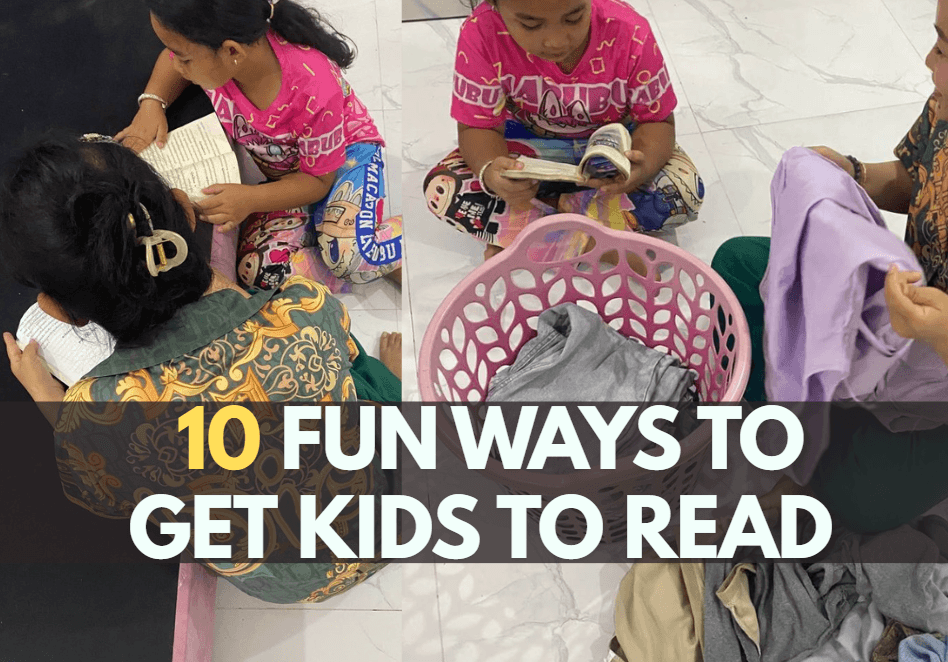
My daughter was eight years old, and getting her to open a book felt like an Olympic sport.
If you are searching for real, proven ways to get kids to read without the nightly battle, you are in the right place.
I am not a teacher or a child psychologist.
I am just a parent who got tired of watching her kid stare at the wall instead of picking up a book.
So I started experimenting.
Some ideas flopped.
Others genuinely changed our evenings.
What I discovered is that learning how to get kids to read has less to do with discipline and more to do with making reading feel worth wanting.
Below are the 10 methods that worked for our family, and I believe they can work for yours, too.
Quick Takeaway
- Most reluctant readers are not lazy. They are bored, anxious, or simply haven’t found the right book yet.
- Forcing reading as punishment builds negative associations that are hard to undo.
- The most effective reading motivation strategies for kids tap into choice, connection, and a little bit of fun.
- Small changes like a reading flashlight privilege or a cozy reading fort can shift everything.
- Graphic novels, audiobooks, and “sneaky” reading moments all count as real reading.
- The goal is to raise a child who wants to read, not one who reads only when told.
Why So Many Kids Resist Reading (And Why It Is Not Their Fault)
Before getting into the tips, it helps to understand where the resistance actually comes from.
Most kids who avoid books are not lazy.
They are bored, anxious, or simply haven’t found the right book yet.
Forcing a child to read when it feels like punishment only builds a negative association that is hard to undo.
Getting kids motivated to read works best when you tap into what they already love: games, choice, connection, and feeling just a little bit grown-up.
Once you understand that, the strategies below start to make a lot of sense.
10 Fun Ways to Get Kids to Read at Home
1. The Late-Night Flashlight Privilege
Eight-year-olds will do almost anything to feel like they are bending the rules.
Our normal bedtime was 8:00 PM.
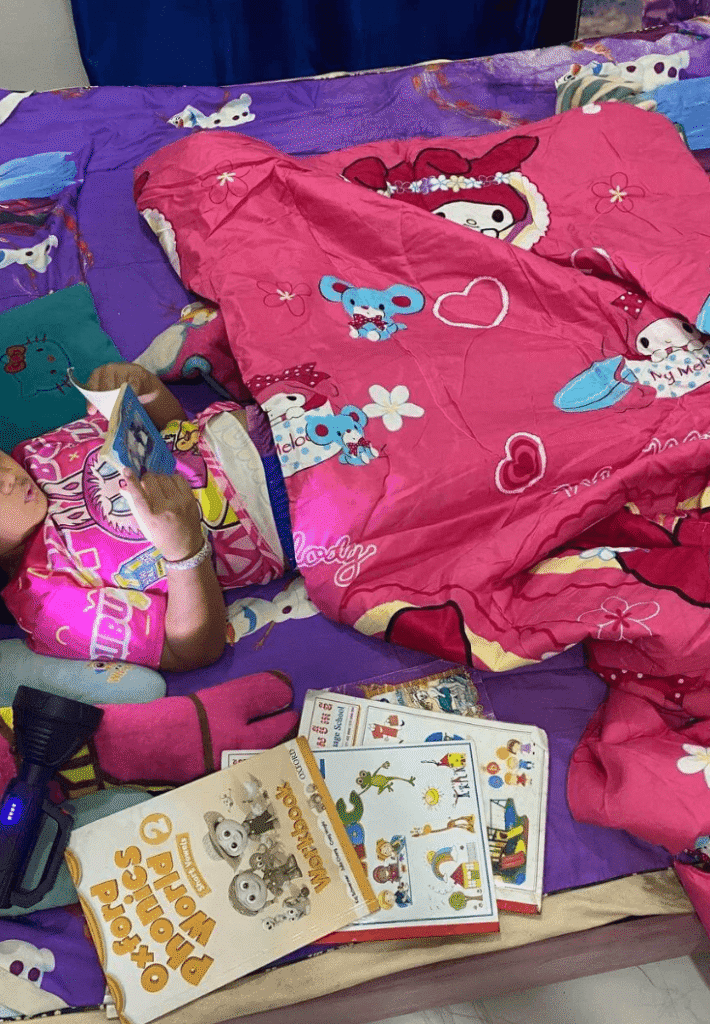
But I introduced one loophole: if my daughter chose to read in bed with a flashlight, she could stay up until 8:30.
That small shift turned reading from a chore into a privilege.
She started asking to stay up so she could read.
This is one of the simplest and most effective reluctant reader tips I have ever used.
Why it works: Reading feels like a reward instead of an obligation.
The child is making the choice themselves.
2. Start a Two-Member Book Club
Children want to feel like their opinions matter.
I started a book club for kids and parents with just the two of us.
We read the same book, or something similar, then held a “meeting” a couple of days later, usually while folding laundry or making dinner.
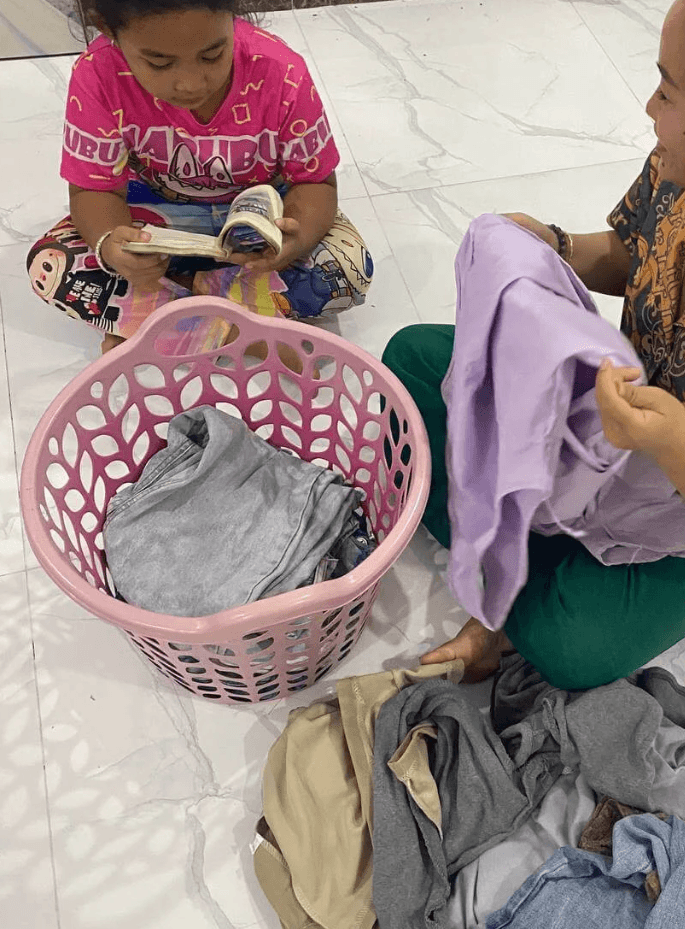
I asked what she thought, not quizzed her on facts.
Questions like “Did you like that character?” or “What would you have done differently?” made her feel like a real reader with real thoughts.
That is a powerful thing for a child.
Why it works: It creates genuine conversation and makes reading a shared experience rather than a solo assignment.
3. Let Her Read to a Non-Critical Audience
One of the biggest reasons kids avoid reading aloud is the fear of messing up in front of adults.
I solved this by having my daughter read to her two-year-old brother, our dog, and her stuffed animals. Not one of them corrected her pronunciation.
It sounds simple, but reading aloud to pets or toys builds real reading fluency without the performance anxiety.
If you want to build her confidence, start by removing the pressure to perform.
Why it works: Low-stakes practice builds confidence faster than corrected, formal reading ever will.
4. Embrace Graphic Novels and Comics Without Guilt
A lot of parents ask: “Do comics really count as reading?”
Yes. One hundred percent yes.
Graphic novels build vocabulary, visual storytelling skills, and the habit of sitting down with a book.
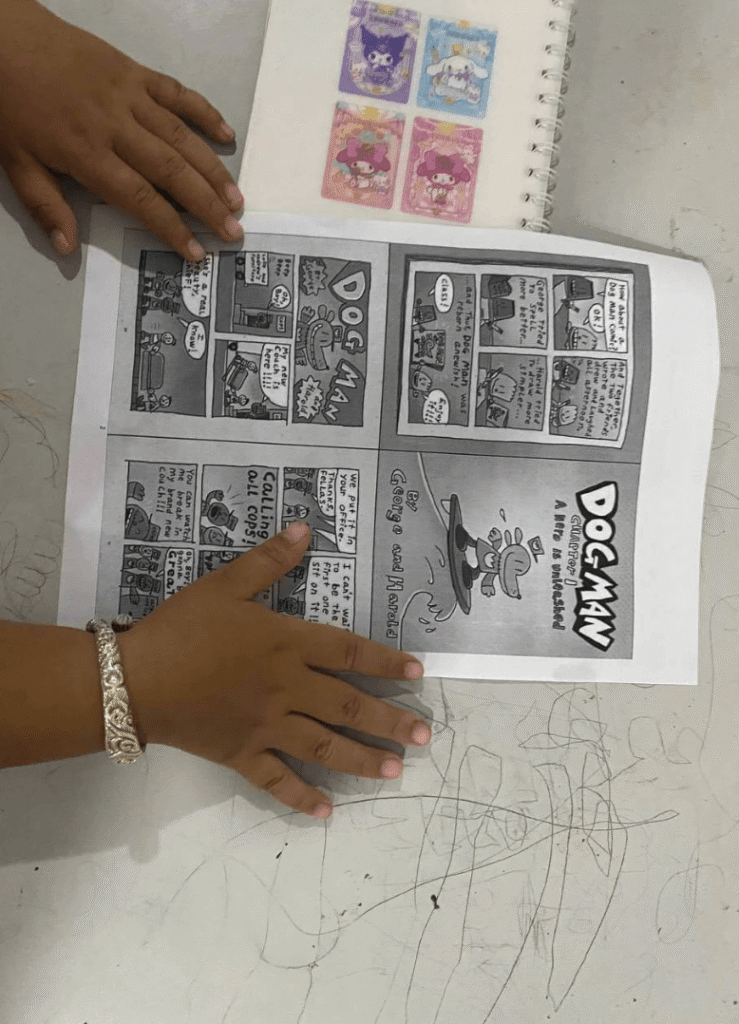
After a long school day, a visually engaging story is far less intimidating than a wall of text.
Since English is my daughter’s second language, series like Dog Man, Amulet, and Smile were perfect bridge books.
These visual formats are genuinely one of the most underrated tools a parent has.
Why it works: They meet kids where they are.
Once a child is in the reading habit, moving to chapter books becomes a natural next step.
5. Create “Sneaky” Reading Moments Throughout the Day
Reading does not have to mean sitting quietly with a chapter book.
I started building reading into everyday life by giving my daughter a real job: she became our Family Reading Officer.
Here is what that looked like:
- After dinner, she read the cleanup rules out loud to the family.
- When a new board game arrived, she read the instructions and taught us how to play.
- On weekends, I set up scavenger hunts where written clues led to a small prize.
These are the kinds of everyday habits that do not feel like homework at all.
Why it works: Reading becomes purposeful and tied to real-world outcomes, which makes it feel worth doing.
6. Build a Cozy Reading Fort Together
The environment matters more than most parents realize.
We built a reading fort in her bedroom using blankets, pillows, and fairy lights.
She helped design it, so she felt ownership over it.
When a space feels personal and a little magical, kids naturally want to spend time there.
The fort became her favorite spot in the house.
If you want to build a space that actually holds their attention, let the child lead the design process.
That sense of ownership is the secret ingredient.
Why it works: A dedicated reading space signals that reading is a special activity, not just a chore to check off.
7. Turn Reading Into a Game With Reading Bingo
I made a simple bingo card with reading challenges instead of numbers.
A few examples from ours:
- “Read while wearing your swimsuit.”
- “Read under the dining table.”
- “Read a book with a blue cover.”
- “Read out loud using a silly accent.”
When she got a bingo, she earned a small reward, like choosing dinner or staying up an extra 15 minutes.
This simple game is one of those tricks that feels like playing while quietly building a habit in the background.
You can make your own card in five minutes or find free printable versions online.
Why it works: Gamification lowers resistance and makes the reading feel self-directed rather than parent-imposed.
8. Pair Audiobooks With the Physical Book
On the days when a book felt too overwhelming, I played the audiobook while my daughter followed along in the physical copy.
Hearing a skilled narrator brings the story to life and helps kids decode tricky words without getting stuck or frustrated.
Audiobooks for reluctant readers are especially useful for children who are still building their decoding skills or who have reading anxiety.
It is also a lifesaver on the days when you want to encourage reading without the nightly tears.
Why it works: The audio carries the child through difficult passages, keeping the story moving and keeping frustration low.
9. Give Total Autonomy at the Library or Bookstore
Adults tend to push “educational” books on kids.
I made a conscious decision to step back.
At the library, I told my daughter she could pick anything she wanted: a Minecraft strategy guide, a joke book, a comic collection, no judgment.
When children choose their own books, they feel excitement from the very first page.
That is one of the most reliable ways to get your child to read on their own, not because they have to, but because they genuinely want to.
Why it works: Autonomy creates ownership.
A book a child picked herself is a book she will actually read.
10. The Book-First, Movie-Later Rule
This one might be my favorite.
We picked books with movie adaptations, Matilda, The BFG, Charlotte’s Web, and I introduced one simple rule: once we finish the book together, we celebrate with a Special Movie Night.
Popcorn, her favorite snack, the whole thing.
Having a clear, exciting goal at the finish line kept her motivated through even the slower chapters.
She also loved comparing the book and the movie afterward, which sparked some genuinely great conversations about storytelling and what gets left out when a book becomes a film.
Why it works: It gives reading a concrete payoff and makes the child feel that finishing a book is an achievement worth celebrating.
Quick Tips for Parents of Reluctant Readers
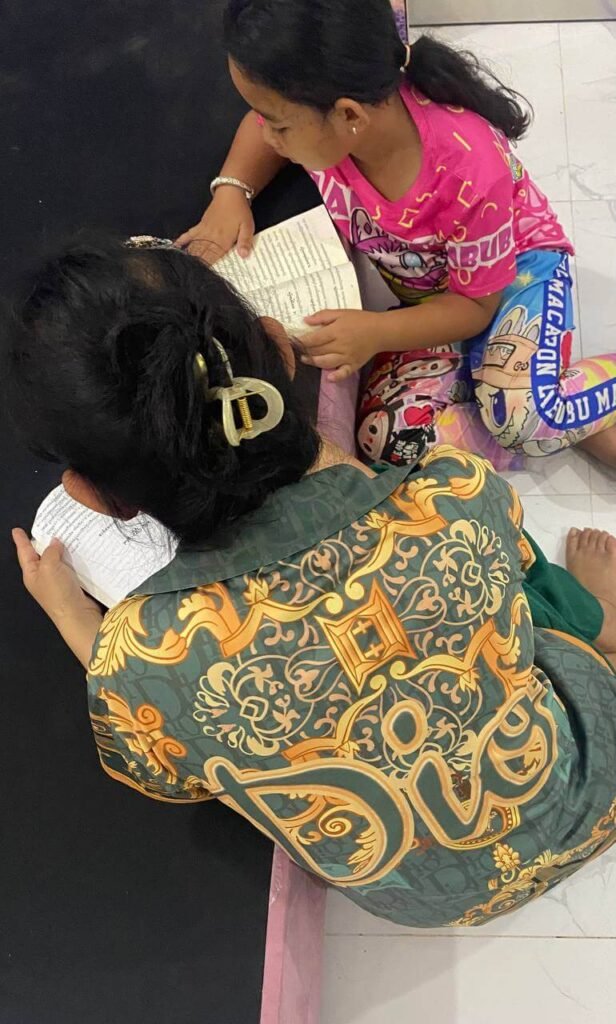
A few extra things I wish someone had told me sooner:
- Read in front of your kids. Children mirror what they see. If they watch you read for pleasure, they start thinking of it as something worth doing.
- Never use reading as punishment. “Go read for an hour since you misbehaved” will undo months of progress.
- Celebrate effort, not speed. Praising a child for sitting down with a book for 10 minutes matters more than how many pages they finished.
- Visit the library regularly. Make it a normal, enjoyable outing, not a school errand.
- Start where the child is. Whether that means a graphic novel, a joke book, or a picture book they have already heard 100 times, every reading session counts.
What Worked for Us Might Work for You
There is no single trick that works for every child.
But if you are patient and willing to try a few different approaches, you will find what clicks.
My daughter went from refusing to read to asking if she could stay up late with her flashlight and her book.
That shift did not happen overnight, but it did happen.
And it started with one small change: making reading feel like her idea.
The biggest lesson I took from all of this is that kids do not resist reading.
They resist being forced.
Give them choice, give them a little magic, and then get out of the way.
If you found these tips on how to get kids to read helpful, share this article with another parent who could use some encouragement tonight.
Frequently Asked Questions
What if my child just pretends to read by staring at the pages?
“Fake reading” is usually a quiet sign that the book is too hard or the child is feeling pressured to perform. Instead of calling them out, try pairing an audiobook with the physical text (as mentioned above), or offer an easier, highly visual graphic novel. This helps them rebuild their decoding skills and confidence without making them feel caught or embarrassed.
At what age should I start worrying about my child not wanting to read?
Most reading resistance peaks between ages 7 and 10, when chapter books get longer, and school reading pressure increases. If your child is in this range, that is completely normal. The strategies above are designed specifically for this age group. If a child is significantly behind grade-level benchmarks by age 8 or 9, it is worth speaking with their teacher or a reading specialist to rule out conditions like dyslexia.
How do I get an 8-year-old to read when they only want to watch screens?
Compete with screens on their own terms. Use short reading sessions (10 to 15 minutes), offer genuine book choice with no parental veto, and try audiobooks paired with a physical copy for days when sitting still feels impossible. The flashlight privilege and reading bingo from this article also work particularly well for this age group because they reframe reading as something special rather than compulsory.
Should I read to my child even if they can read on their own?
Absolutely. Reading aloud together well past the age of independent reading builds vocabulary, listening comprehension, and most importantly, the emotional connection between reading and comfort. Many educators recommend reading aloud to children through middle school. It also gives you a natural way to discuss books and show that reading is something adults value, too.
How long should my child read each day?
Most reading specialists recommend 15 to 20 minutes of independent reading per day for elementary-age children. However, for reluctant readers, starting with just 10 minutes of enjoyable reading is far more valuable than forcing a longer session that creates resentment. Consistency matters more than duration.
What if my child picks books that seem too easy or too simple?
Let them. A child reading a book below their grade level is still reading, still building fluency, and still forming the habit. The goal at this stage is to create a child who chooses to read. They will naturally reach for more challenging books as their confidence and enjoyment grow.
My child loves audiobooks but refuses to read printed text. Is that okay?
Audiobooks are a legitimate and valuable reading format, not a shortcut. For reluctant readers, pairing an audiobook with the physical text is an excellent bridge strategy. Over time, many children transition to reading independently once the decoding anxiety is reduced. If your child prefers audio-only, that is still building language, comprehension, and story sense, which all support reading development.
Disclaimer: The content on Sprout Upward is designed to encourage intentional family leadership. I am a mom of two and a former youth worker sharing my real-life experiences, not a licensed therapist or medical professional. These guides adapt my professional team management background to daily home life. Please consult your pediatrician for any clinical, medical, or psychological advice regarding your child.
