

Disclaimer: The content on Sprout Upward is designed to encourage intentional family leadership. I am a mom of two and a former youth worker sharing my real-life experiences, not a licensed therapist or medical professional. These guides adapt my professional team management background to daily home life. Please consult your pediatrician for any clinical, medical, or psychological advice regarding your child.
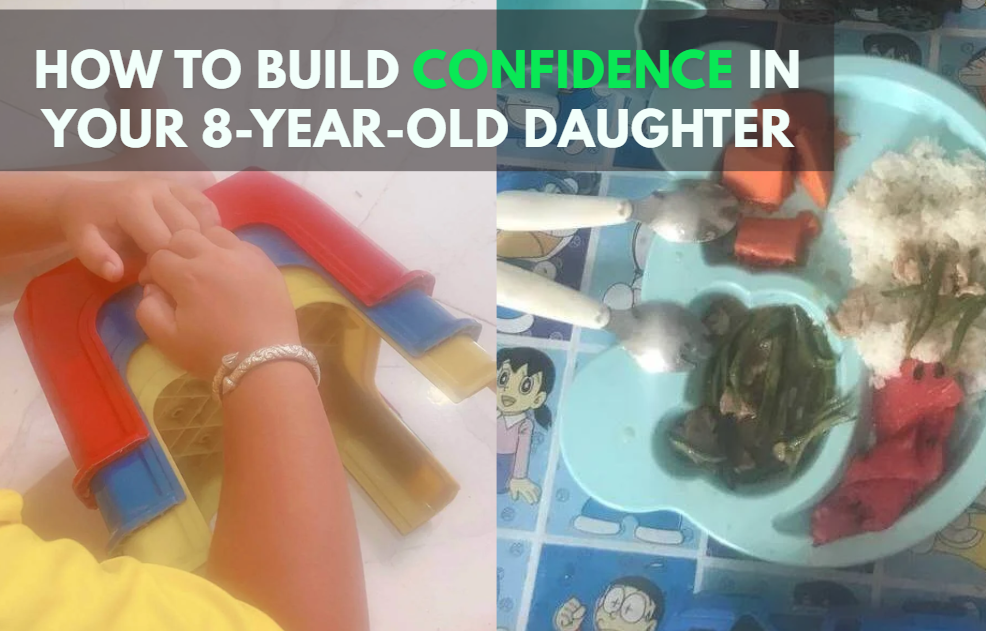
Last week, my eight-year-old completely lost it at dinner over two plastic step stools that were stuck tightly together.
“I can’t do it!” she yelled, ready to give up and walk away.
It is incredibly hard to watch your child shrink in front of a tiny challenge, especially when you know she is capable of so much more.
If you have been searching for real, practical ways to build confidence in your 8-year-old daughter without turning your home into a pressure cooker, you are in the right place.
This is not a list of empty pep talks or gold stars.
Everything here comes from messy, ordinary moments that are easy to overlook but genuinely add up over time.
Quick Takeaway
What actually builds confidence in an 8-year-old girl:
- Praise her effort, not her talent (“You worked hard on that” beats “You’re so smart”)
- Give her real responsibilities she can own and complete
- Wait 30 seconds before stepping in when she struggles
- Let her practice making small daily decisions
- Show her that you make mistakes too, and recover from them
Why age 8 matters: Girls this age are old enough to compare themselves to others, but young enough that your influence at home still carries enormous weight. That window is very much still open.
Why Self-Esteem in Childhood Matters Long-Term
When we talk about building true self-esteem, we are not just talking about making her feel good today.
Research consistently shows that the way we phrase praise directly shapes a child’s relationship with failure.
Telling a child she is “so smart” over and over can make her terrified of making mistakes, because she starts to believe that intelligence is fixed and that struggling means she is losing it.
For eight-year-olds specifically, this age is a genuine turning point.
The social comparisons have started. She notices who runs faster, who gets higher marks, and who has more friends.
But your voice at home still matters more than any of those comparisons, if you know how to use it.
What Causes Low Self-Esteem in a Child?
Before jumping into solutions, it helps to understand what actually creates the problem in the first place.
Low self-esteem in children rarely stems from a single, major event.
More often, it builds up from small repeated experiences: being criticized in front of others, never being given the chance to solve problems independently, or regularly hearing that their best is not quite good enough.
Other common contributors include perfectionism (often quietly inherited from well-meaning parents), constant social comparison, and a home environment where mistakes are treated as failures rather than as part of learning.
If you notice your daughter’s confidence slipping, the first step is simply paying attention to what messages she is absorbing every single day, including the ones you do not intend to send.
How to Build Confidence in Your 8-Year-Old Daughter: 5 Things That Actually Work
These are not theories from a parenting textbook.
They are approaches that have worked for real families, including mine.
And the best part is that none of them require extra money or a perfectly planned schedule.
1. Praise the Process, Not the Outcome
One of the most powerful tools you already have is your words.
A small shift in how you use them can genuinely change things.
This approach is rooted in what psychologists call a growth mindset.
Research on this topic shows that praising a child’s effort rather than her natural ability helps build long-term resilience.
Kids who are praised for effort are more willing to take on hard things, because they understand that trying is what matters.
Here is a real example from our house.
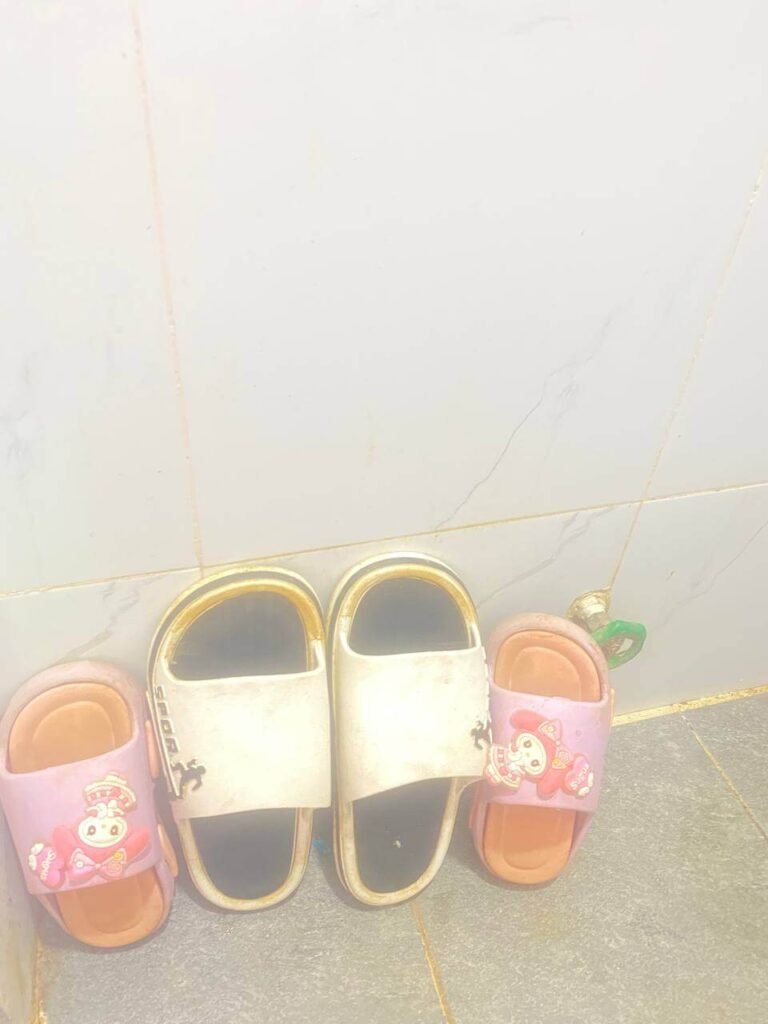
I remind my daughter to put her bathroom sandals against the wall after a shower so they dry properly.
When she remembers, instead of saying “You’re so smart,” I say: “I love how much effort you put into getting that right.”
That one small swap tells her that her value comes from trying, not from being perfect.
How to praise kids without pressure: Focus on what they did, not what they are.
“You worked really hard on that” lands differently than “You’re so talented.”
It sounds like a minor tweak.
Over time, it builds kids who are not afraid to try new things, because they know their effort is what counts.
2. Give Her Real Responsibilities (Start Small)
Confidence is not just a feeling.
It is often built through competence, through actually doing things and discovering that you can.
One of the most reliable ways to build that sense of capability is to give her jobs around the house that are genuinely useful, not just busywork designed to keep them occupied.
For an eight-year-old, that might look like:
- Preparing a simple snack or helping to assemble her own meals
- Packing her own school bag each night
- Watering a plant or feeding a pet on a consistent schedule
- Setting the table before dinner or clearing it after
My daughter started helping prepare her own meals around age seven, cutting the fruit for her plate.
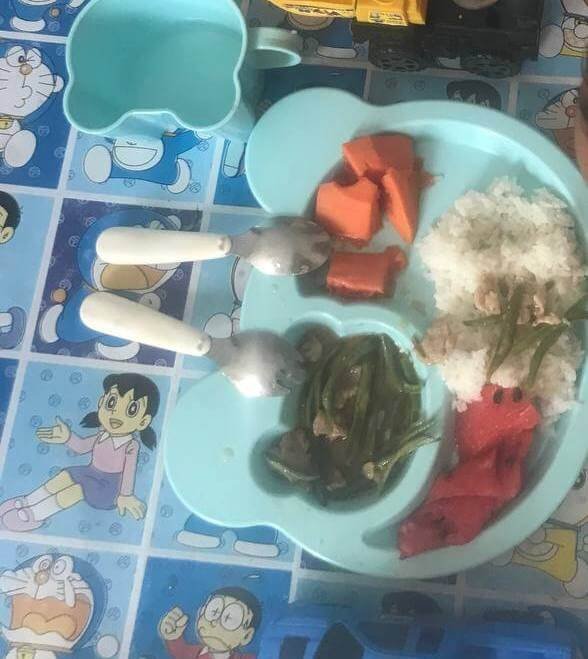
Did she do it perfectly?
No. Did she beam with quiet pride every single time she brought it out?
Absolutely.
That pride is the seed of real confidence. It is not about performance.
It is about the experience of doing something real and realizing she is capable of it.
3. Try These Simple Confidence-Builders at Home
You do not need to sign her up for a workshop.
Some of the best confidence-building activities for kids happen in the living room with zero preparation and zero cost.
The “Not Yet” habit
When your daughter says, “I can’t do it,” encourage her to add one word: “yet.”
“I can’t do it yet.”
This tiny shift is a core part of growth mindset research, and it genuinely changes how children think about tackling new challenges.
It moves the story from “I am not capable” to “I am not there yet, but I can get there.”
The waiting game
The next time she struggles with something, count to 30 in your head before stepping in.
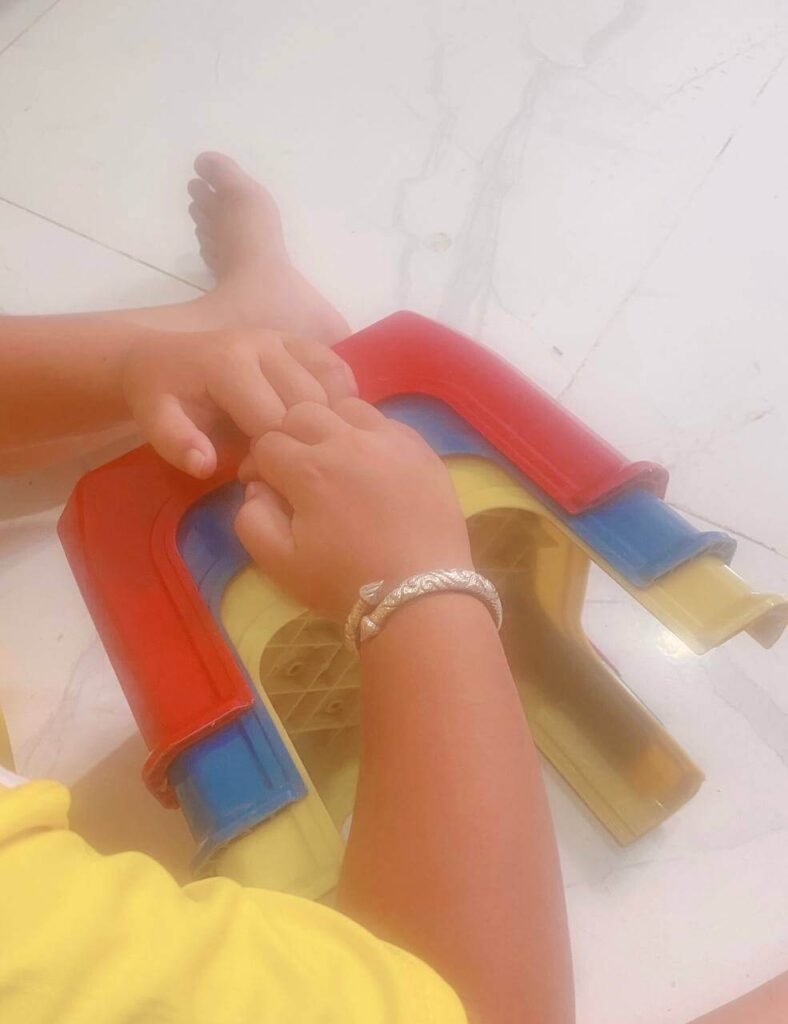
Last week, I stacked my daughter’s stools tightly together on purpose.
When she could not pull them apart at dinner, she said, “I can’t do it!” Thirty seconds later, she shouted, “I got it!”
That moment of rescuing herself was worth more than any praise I could have given her.
She felt it in a way that words could not have delivered.
Role-playing social situations
If she is nervous about a birthday party, a new class, or standing up to a friend, practice it at home first.
Use stuffed animals, or just the two of you, taking turns.
This builds what I think of as social memory, a kind of quiet rehearsal that makes real situations feel less unfamiliar when they arrive.
4. Let Her Make Small Choices Every Day
A big reason children feel anxious or unsure of themselves is that they rarely get to make decisions.
Everything is sorted out for them, which means they never get to practice trusting their own judgment.
One of the simplest ways to build a child’s self-esteem at home is to offer small, real choices on a regular basis.
Last Sunday, we were heading out to a park along the river.
Instead of telling my daughter what to wear and when to leave, I gave her two options: the blue shirt or the red one, and whether we hit the market before or after the park.

She chose her yellow princess shirt, which was a third option I had not even offered, and voted for the park first.
Both choices were completely fine.
The point was never the outcome.
The point was that she got to practice deciding, and she felt the quiet confidence that comes from trusting herself.
Think of these small daily choices as training wheels for the bigger ones that are coming later.
5. Let Her See You Fail (On Purpose, Sometimes)
This one is underrated, and it might be the most important thing on this list.
If you want to raise a confident child without pressure, she needs to see that you mess up, too, and that it is not a catastrophe when you do.
Sometimes I will burn something on the stove or stumble over my own feet and make a big deal out of laughing at myself.
“Oops, Mum made a mistake. Let me try that again.”
Those moments matter more than they appear to.
When kids see that adults fail and recover, it takes the pressure off being perfect.
It makes space for a quieter, more genuine kind of confidence to grow.
You can also share small stories from your own childhood about things you were not good at right away.
The more normal you make imperfection, the safer she will feel trying things she might not get right the first time.
This is one of the most overlooked parts of raising an eight-year-old, and it costs nothing.
The Everyday Weight of Confidence
Confidence is not a switch you can flip for your daughter.
There will still be days when she doubts herself, and that is completely normal.
But watching her proudly assemble her own plate of food, or finally unstick those stubborn plastic stools after thirty seconds of trying, is a reminder that the small things really do add up.
You do not need a flawless parenting strategy to raise a resilient child.
You just need to step back, give her the space to try and sometimes fail, and let her know that her effort is what matters most.
If you have been wondering how to build confidence in your 8-year-old daughter, the honest answer is that it happens in the ordinary moments, not the big ones.
Letting her take the lead, even if it means she walks out the door in a bright yellow princess shirt you definitely did not offer as an option, is exactly where that quiet, genuine self-assurance begins to grow.
Frequently Asked Questions
Won’t letting my 8-year-old fail make her feel worse about herself?
No. In fact, constantly rushing in to rescue her is what makes her feel incapable. When children are allowed to struggle and then succeed on their own, they experience a kind of confidence that praise alone cannot deliver. They feel capable because they have proved it to themselves.
My daughter already says, ‘I’m stupid’ when she makes a mistake. How do I reverse this?
The most effective way to reverse this is to immediately shift your praise from her intelligence to her effort, and start modeling your own mistakes out loud. From there, small, consistent changes matter more than big interventions. Give her tasks she can actually complete.
Praise her effort specifically. Let her make small decisions regularly. And model your own imperfection openly so she understands that struggling and recovering are normal for everyone, including adults. Progress is slow, but it is real.
