

Disclaimer: The content on Sprout Upward is designed to encourage intentional family leadership. I am a mom of two and a former youth worker sharing my real-life experiences, not a licensed therapist or medical professional. These guides adapt my professional team management background to daily home life. Please consult your pediatrician for any clinical, medical, or psychological advice regarding your child.
If you have ever repeated yourself five times before breakfast and still gotten zero response, you already know the feeling.
A 3-year-old who won’t listen can leave any parent feeling exhausted, frustrated, and, honestly, a little invisible.
Here is what helped me: understanding that this is not about your child ignoring you.
At three years old, their brains are genuinely still learning how to filter instructions, manage big emotions, and shift from one activity to another.
It is not rudeness. It is just a normal developmental stage.
I have been navigating this with my first child, now 8 years old, and I am currently living it again with my 3-year-old son.
After a lot of trial, error, and a few deep breaths, I found 20 calm strategies that actually work.
No yelling. No threats.
Just real, practical tools rooted in gentle parenting and positive discipline.
Key Takeaways
- A 3-year-old is genuinely still learning how to manage big emotions, so ‘not listening’ is often just a stage of growing up, not defiance
- Eye-level communication, short phrases, and offering two choices are among the most effective tools for toddler cooperation.
- Gentle parenting techniques like the 7-Second Rule, transition warnings, and logical consequences reduce power struggles without punishment.
- Validating your child’s emotions before giving instructions helps them calm down enough to actually hear you.
- Consistent daily connection (even just 10 minutes of undivided attention) dramatically reduces attention-seeking behavior.
- A visual routine chart takes the pressure off you as the “boss” and lets the schedule do the work.
Why Your 3-Year-Old Ignores You (And Why It Is Normal)
Before jumping into the strategies, it helps to know what is actually happening in that little head.
I had to remind myself that a 3-year-old is genuinely still learning how to manage big emotions and shift from one activity to another. It isn’t defiance; it’s just their current stage of growing up.
At three years old, it is practically brand new.
Your child is not choosing to be difficult.
They are simply not wired yet to pause, process, and respond the way an adult can.
Add to that the fact that three-year-olds are in a powerful stage of independence.
They want to feel capable, heard, and in control of something.
When a parent’s instruction clashes with that need, resistance is almost automatic.
Understanding this will not make every day easy, but it will change how you respond.
And that is where everything starts.
Part 1: Connection First
1. The Eye-Level Rule
Before giving any instruction, crouch down so your eyes are level with your child’s.
This one small change does something powerful.
It removes the feeling of being talked at from above, and it signals that you are present with them, not just issuing commands.
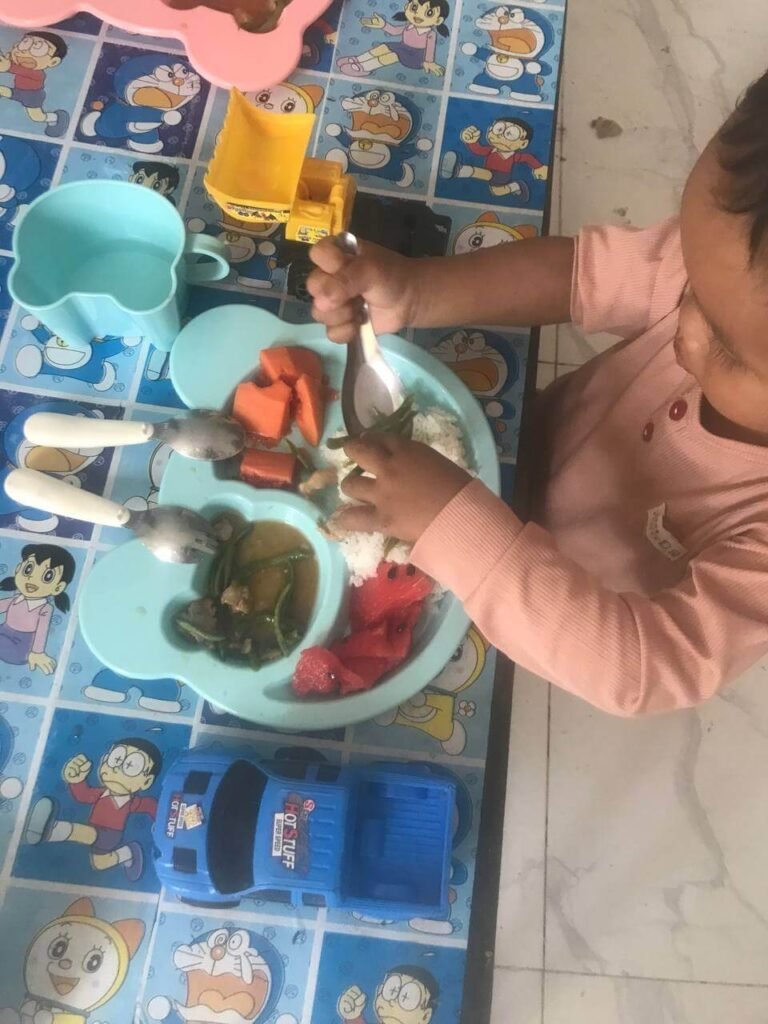
In practice, I keep my instructions short and tied to our daily rhythm. Instead of long explanations, I say something like “Time for rice, son” or “Shoes on now,” paired with a gentle smile and eye contact.
Short, warm, direct.
2. Say Their Name First
“Go put your shoes on!” gets tuned out. “Jamie, your shoes land differently.
Starting with your child’s name activates their attention before the instruction even arrives.
Once they look at you, then give the direction.
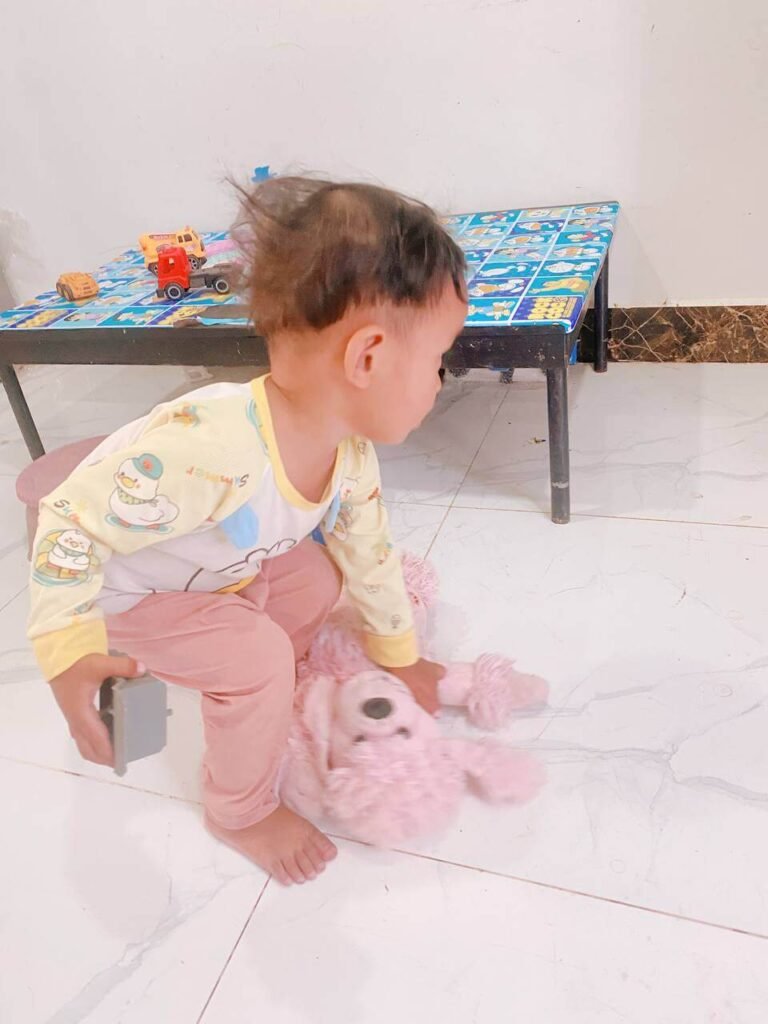
If my son has left his toys scattered, I walk over, make a slightly surprised face, and say, “Oh! Look at those toys.
Where do they live?” He almost always picks them up without any argument, because it feels like a discovery, not a demand.
3. The Whisper Trick
Shouting louder does not get better results.
It usually gets the opposite.
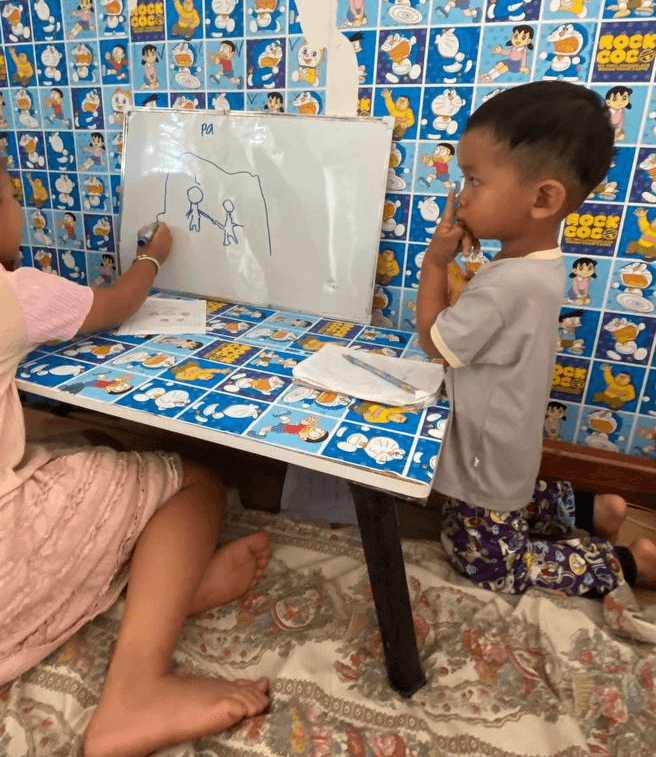
When my son was interrupting his older sister’s homework time, I walked over quietly, put a finger to my lips, and whispered, “She is concentrating.
She will come play when she is done.” He copied my gesture and stayed quiet.
Something about whispering made it feel like a shared secret rather than a rule to follow.
Also Read: 10 Fun Ways to Get Kids to Read (Tested by a Real Parent)
Part 2: Language and Choices
4. Tell Them What TO Do, Not What to Stop
A young child’s brain responds to images.
“Don’t run” creates the image of running. “Walking feet, please” creates the image of walking.
Positive instruction gives the brain a clear target.
Whenever I catch myself forming a “don’t” sentence, I flip it. “Don’t yell” becomes “indoor voice.” “Don’t touch” becomes “hands to yourself.”
Simple, but it genuinely works.
5. The Two-Choice Technique
Toddlers want control.
The two-choice technique gives them that control within boundaries you have already set.
“Do you want to wear the blue shirt or the striped one?”
Both are fine with you.
Your child feels heard and independent.
Everyone moves on.
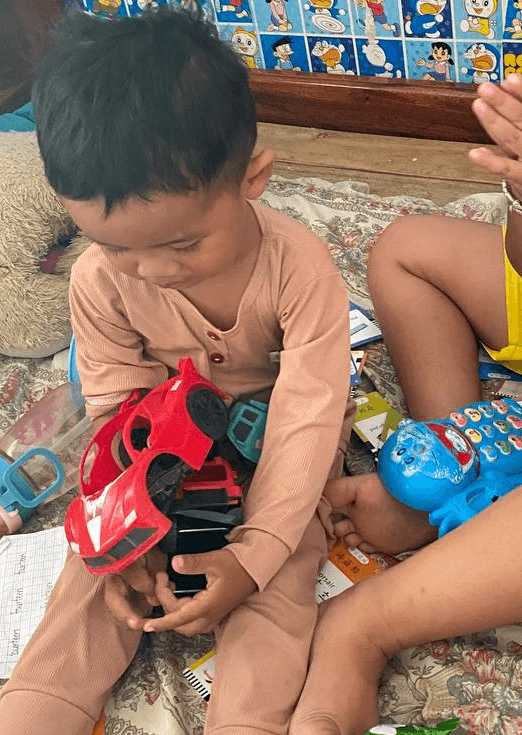
When my kids were arguing over toys, I described what each toy could do instead of making a decision for them.
My son chose the toy car.
My daughter chose the toy phone.
The argument dissolved on its own.
6. “When/Then” Phrasing
This is one of the most underrated gentle parenting tools there is.
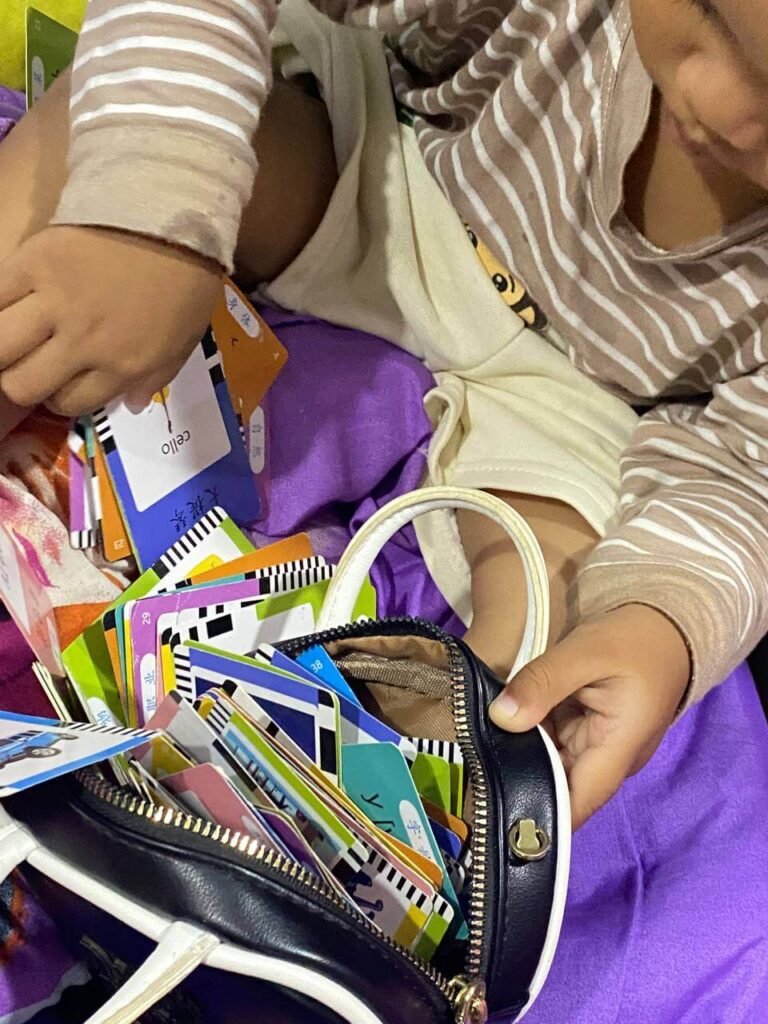
Instead of “You have to tidy up first,” try: “When you finish putting the flashcards away, then we can go to the market and pick out a toy.”
It sounds like a plan, not a threat.
Children cooperate far more when they feel like partners in a sequence rather than subjects of a rule.
7. The One-Sentence Rule
Three-year-olds can hold roughly one instruction at a time in their working memory.
Giving three steps at once is setting everyone up for failure.
My personal rule for the bike: “No helmet, no ride.” That is it.
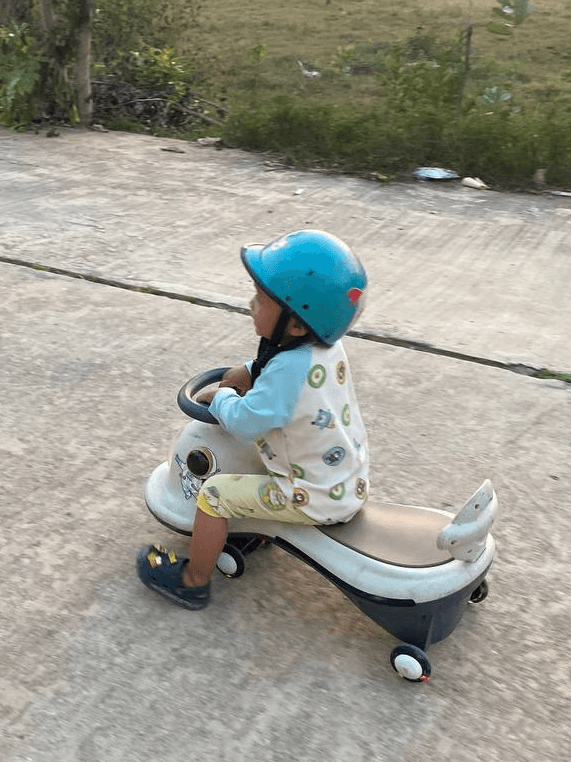
Four words, repeated consistently.
He knows it so well now that he reaches for the helmet himself.
Part 3: Managing Emotions and Transitions
8. Validate First, Then Guide
A child who is mid-meltdown cannot absorb instructions.
Their emotional brain is in charge, and there is no room for logic yet.
The fastest way to reach them is to acknowledge what they are feeling first.
When my son got upset because he could not pull apart a stack of chairs, I sat next to him and asked, “What is making you sad right now?”
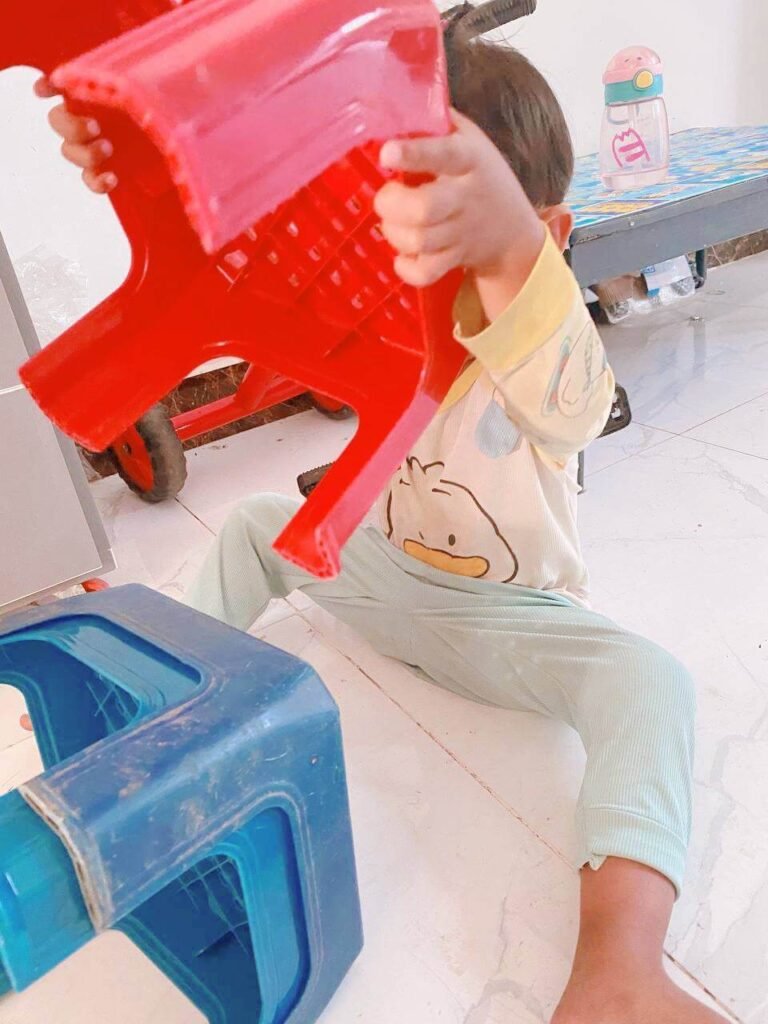
Feeling heard calmed him down within minutes.
Then, and only then, could we problem-solve together.
9. Transition Warnings
Abrupt stops are genuinely hard for toddlers.
They are deeply absorbed in play, and stopping suddenly feels like something is being taken away.
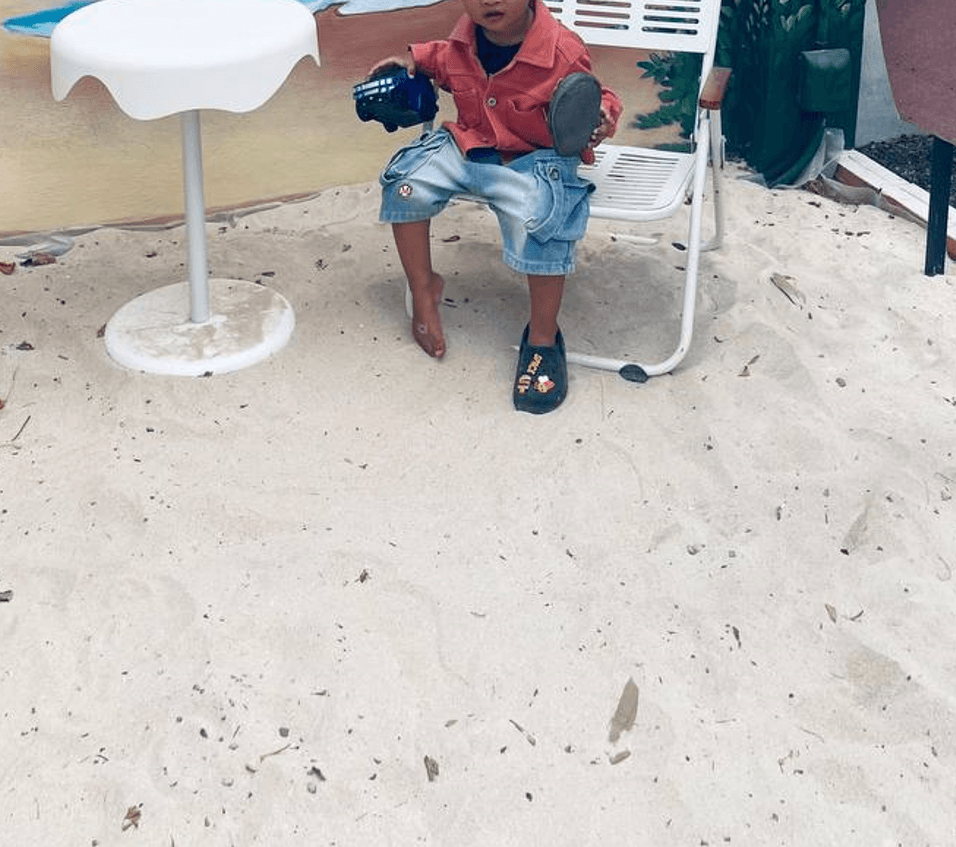
A simple countdown helps their brain prepare. “Five more minutes at the park, then we head home.” At two minutes: “Two more minutes, then shoes on.”
This is not negotiating. It is giving their nervous system a heads-up.
10. The 7-Second Rule
After you give an instruction, stop.
Count to seven silently.
Do not repeat yourself yet.
A toddler’s brain needs processing time.
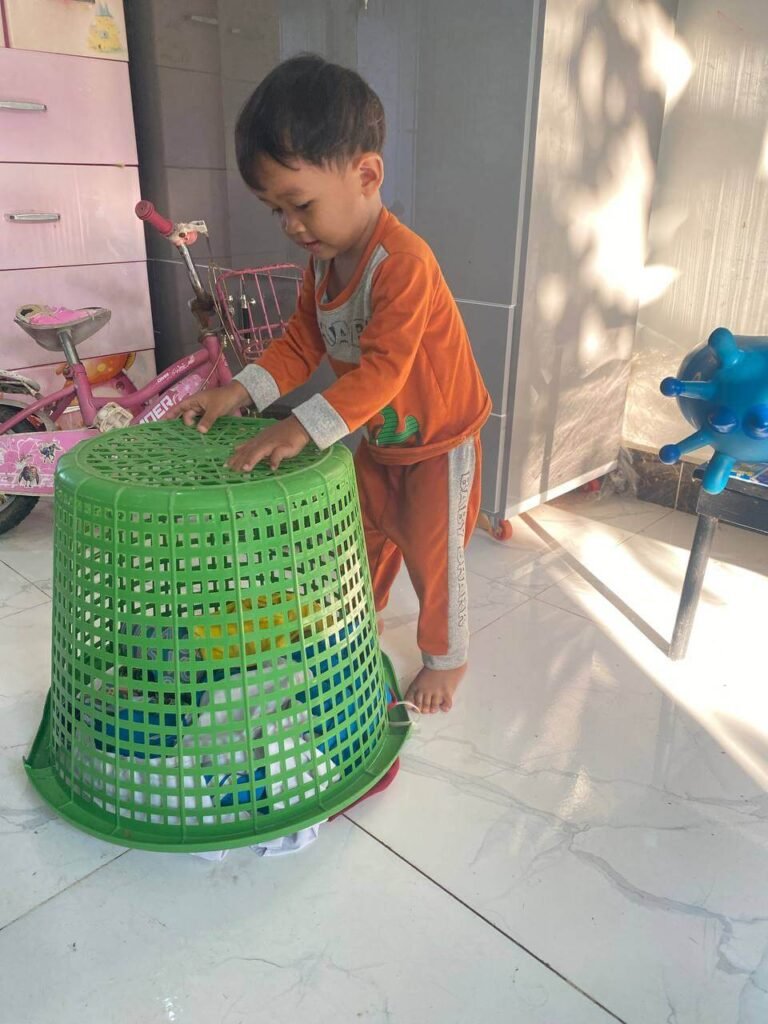
Repeating the instruction every two seconds actually interrupts that processing and teaches them that the first ask does not really matter.
When my son dumps the laundry basket, I tell him to help put it back.
Then I wait.
More often than not, he starts picking things up. He just needed a moment.
Also Read: 20 Indoor Obstacle Course Ideas for Toddlers and 3-Year-Olds (Free At-Home Stations)
Part 4: Action-Based Teaching
11. Turn It into a Game
Play is the native language of childhood.
Any task feels lighter when it becomes a challenge or a game.
When my son starts throwing his toy cars out of boredom, I say, “Who can get all the red cars in the basket the fastest?”
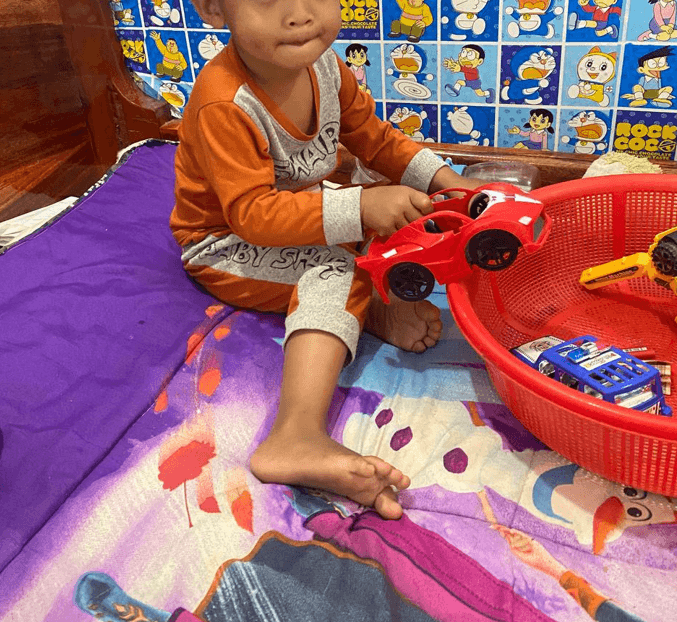
The behavior resets immediately.
He is not throwing anymore.
He is competing. And he is winning.
12. Give Them a “Big Helper” Job
Toddlers have a deep need to feel capable and useful.
Leaning into that instead of fighting it makes cooperation much easier.
I will leave my helmet near my son and say, “Can you help me pick that up? Mommy needs a strong helper.”
He stands a little taller every time.
And he helps.
13. Point Instead of Speak
Sometimes the most effective response to a toddler’s misbehavior is silence paired with a clear gesture.
When my son threw a doll, I simply said his name, made eye contact, and pointed at it.
He picked it up and went back to playing. No lecture needed.
14. Sing Your Instructions
Humor and music cut through resistance faster than almost anything else.
If my son is in a sour mood and refusing to cooperate, I start singing whatever instructions I need to give.
Silly voice, dramatic gestures, and optional frog jumps. It almost always breaks the tension. He laughs. The mood shifts. We move forward.
Part 5: Consequences and Routine
15. Let Natural Consequences Teach
Children learn deeply from experiencing the direct result of their actions, far more than from warnings or punishments.
If my son throws up his milk, the milk is gone.
When he asks for more later, I say calmly, “You threw it, so I have to go buy more. We will have to wait.” No anger, no lecture.
Just the natural result of the choice.
16. “I Notice…” Language
This is a gentle way to redirect behavior without direct confrontation.
“I notice someone left their shoes in the middle of the floor.”
My son looks at the shoes, looks at me, and moves them.
He figured it out himself. That is the whole point.
17. Let the Routine Be the Authority
One of the most powerful shifts in toddler behavior management is removing yourself as the enforcer and replacing yourself with the schedule.
I show my son a visual chart of our daily routine.
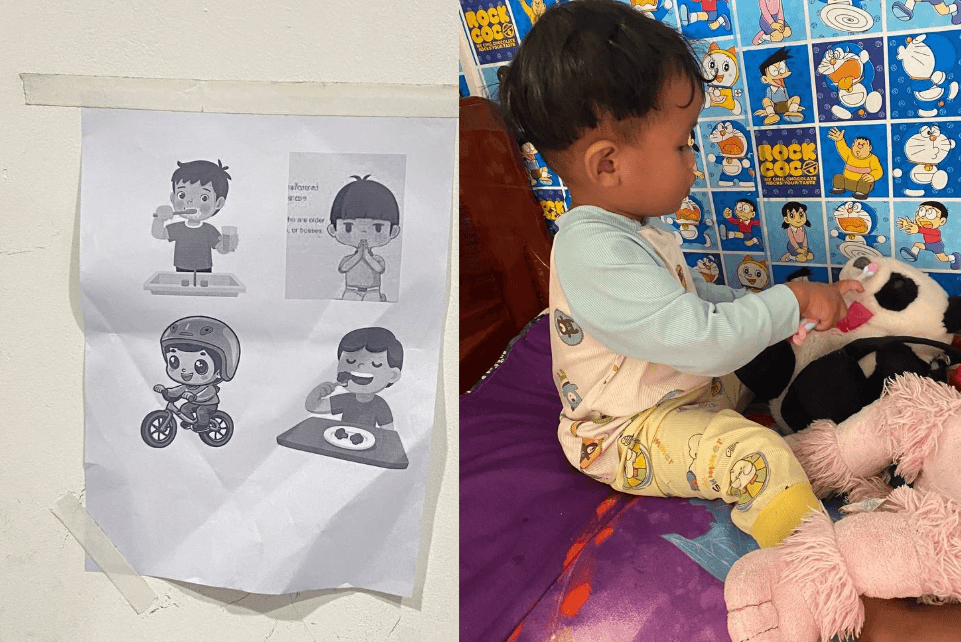
Instead of me telling him it is time to brush his teeth, the chart tells him.
He has even practiced brushing on his doll’s teeth, so the concept feels familiar and fun rather than imposed.
3 Bonus Strategies Worth Knowing
18. The “Yes, Later” Bridge
The word “no” triggers immediate resistance in toddlers.
Replacing it with a “yes, later” structure honors their desire while maintaining your boundary.
Instead of “No, you cannot have a snack right now,” try: “Yes! We will have that as dessert right after dinner.”
It is the same outcome, but it lands completely differently.
19. The 10-Minute Special Time Rule
Every day, set aside 10 minutes of completely undivided attention.
No phone, no multitasking.
Let your child lead the play and choose the activity.
A child who feels genuinely connected and “full” of your attention has far less reason to misbehave for it.
This single habit has reduced more behavioral issues in my home than almost anything else on this list.
20. The “Help Me” Strategy
When cooperation is at a complete standstill, try reversing the dynamic entirely.
“Mommy cannot find the way to the car! Can you lead me?” Suddenly, your child is the expert.
The hero. The guide.
And they walked to the car happily because it was their idea.
Conclusion: You Are Not Trying to Win. You Are Trying to Connect.
If your 3-year-old won’t listen, you are not failing.
You are in the middle of one of the most demanding developmental stages in childhood, and the fact that you are looking for better strategies says everything about the kind of parent you are.
Some days, these 20 methods will work beautifully.
Some days, nothing will. That is not failure.
That is parenting.
The goal was never to “win” against your child.
It was always to win your child’s heart.
And you are already doing that.
Try a few of these strategies this week, stay consistent, and give both yourself and your little one some grace.
The season of “I won’t listen” does not last forever. I promise.
Frequently Asked Questions
Did my 3-year-old completely ignore me?
Yes. In our house, it was completely standard behavior. I learned that most children show improvement between ages four and five as that development continues.
What is the 7-second rule for toddlers?
The 7-second rule means giving your child seven full seconds after an instruction before repeating yourself. Toddlers need processing time. Repeating immediately actually disrupts the process and teaches them to wait for the second or third ask before responding.
How do I get my 3-year-old to listen without yelling?
I’ve found that using eye-level communication, one-sentence instructions, and choices rather than commands works best for us. Keeping calm and lowering your voice (even whispering) is often more effective than raising it. Routines and transition warnings also reduce the friction that leads to yelling in the first place.
What is gentle parenting, and does it actually work for toddlers?
Gentle parenting is an approach that prioritizes emotional connection, respectful communication, and natural consequences over punishment and control. In my experience, prioritizing emotional connection over punishment has been the best way to build long-term cooperation in our home. That said, it takes consistency and patience, and no single approach works perfectly every day.
Why does my 3-year-old listen to everyone except me?
I used to worry about this, but I have found that my children simply test boundaries the most with the people they feel safest around. It is not a sign that you are doing something wrong. It is a sign that your child trusts you enough to show you their full range of behavior.
At what age do toddlers start listening better?
In our home and among my parenting friends, we noticed things got much easier around age four or five once the kids could talk and express their feelings a bit better. The strategies in this article help bridge the gap in the meantime.
What should I do when nothing works?
When this happens to me, I first check the basics: is my son hungry, tired, or overstimulated? Second, I lower my expectations for that particular moment. Some days, our best strategy is just a snack and a rest before trying again.
