

On the days we skip our games, my daughter pulls on my sleeve and says, “Mom, just one more time!”
Do you ever hear something like that from your child about math?
Or do they usually sit down to homework with a heavy sigh and watery eyes?
Here is the good news: you can flip that frustration into genuine excitement using nothing but your dining table and a spare ten minutes.
These math games for 2nd graders at home require zero materials you don’t already own, and most take less than five minutes to play.
Key Takeaways
- Second graders learn best through play, conversation, and real-life context, not repetition drills.
- The best math games for 2nd graders use everyday items at the dinner table to practice addition, fractions, and estimation.
- You do not need worksheets, apps, or special supplies. Your kitchen table is enough.
- Short, frequent game sessions (5 to 10 minutes) are more effective than one long homework session.
- Children who practice math through everyday games show stronger number sense and less math anxiety by the time they reach Grade 3.
Why Play Works Better Than Worksheets for 8-Year-Olds
At age eight, curiosity runs high, and patience for repetitive tasks runs low.
That is simply how the second-grade brain works.
When a child is playing, the part of the brain that controls fear and stress quiets down, and the part that processes new information becomes more active.
Learning math through play at home is not a shortcut or a trick.
It is actually one of the most research-backed approaches to building a solid foundation in early numeracy.
Every game below is designed to match what your child is already studying in the classroom, so you can reinforce their school learning without the need for worksheets.
Part 1: Mental Math Games for 2nd Graders
These four quick games sharpen calculation speed and number confidence.
No materials needed.
1. The Hair-Tie Scramble (Best for Fast Subtraction)
This game builds visual-motor speed and mental math at the same time.
How to play: Write out simple subtraction problems on a piece of scrap paper, for example, 33 minus 30, or 44 minus 5.
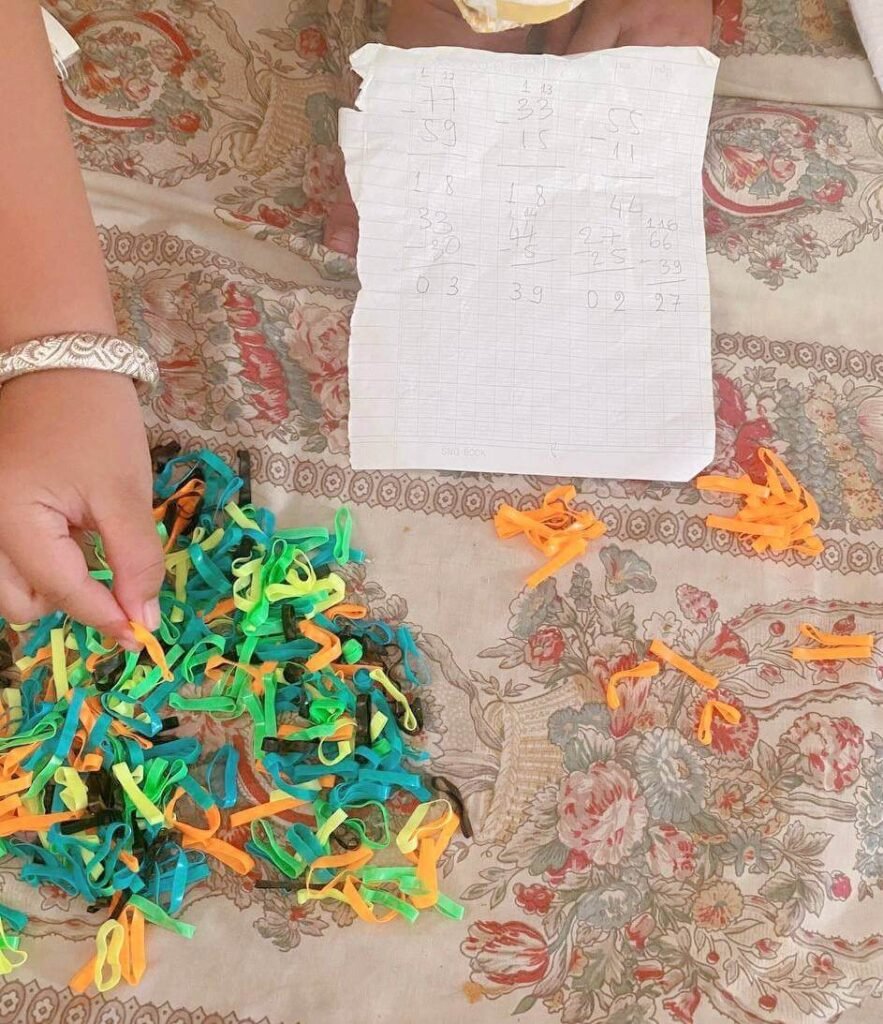
Pile up a handful of colorful hair ties in the middle of the table.
Call out a problem and ask her to grab the hair tie that matches the color you assign to the answer within 15 seconds.
The time pressure is half the fun.
Why it works: The combination of movement, color, and calculation creates a memory link that sticks far longer than writing answers on a page.
2. Two Truths and a Math Lie
This is a family favorite in our house because my daughter loves catching me making mistakes.
How to play: Say three math statements out loud.
Two are correct, and one is wrong.
She has to find the lie. For example: “Eight plus seven equals fifteen.
Twenty minus six equals thirteen.
Four plus nine equals fourteen.” She spots the last one as a lie.
Why it works: When children explain why something is wrong, they reinforce the correct concept far more deeply than when they simply solve a problem.
The feeling of outsmarting a parent is a powerful motivation.
3. What’s My Number?
This game builds understanding of greater than and less than, one of the core Grade 2 comparison skills.
How to play: Think of a secret number between 1 and 100.
She asks yes or no questions to narrow it down. “Is it greater than 50?” “Is it less than 30?”
The goal is to guess the number in as few questions as possible.
Bonus challenge: Once she gets good at it, ask her to explain her strategy.
Children who can explain their reasoning are developing genuine mathematical thinking, not just guessing.
4. The Target Number Challenge
A go-to for improving mental calculation speed and creative thinking.
How to play: Pick a target number, for instance, 12.
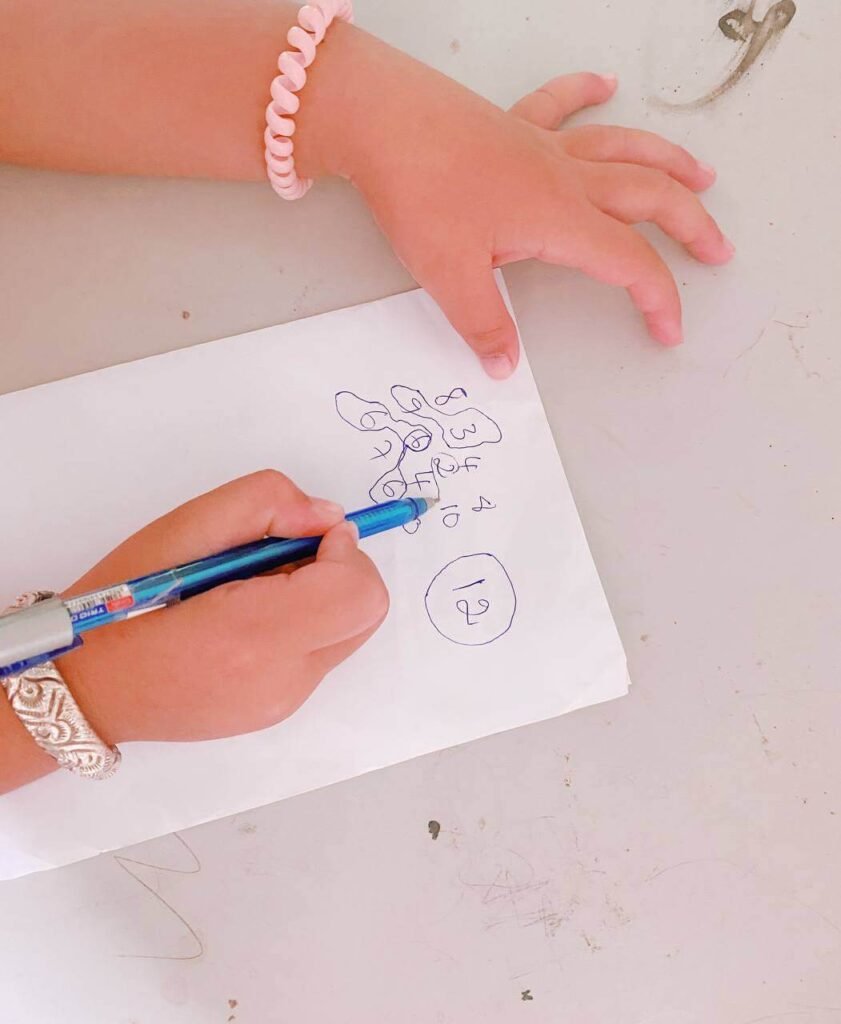
Everyone at the table races to find as many ways as possible to reach that number using addition or subtraction.
You might write 10 plus 2, or 20 minus 8, or 15 minus 3.
Circle each combination as you find it.
Grade 2 connection: This directly supports the fluency with addition and subtraction within 100 that second graders are expected to develop.
Part 2: Math at the Dining Table (Using What’s Already There)
These games use food, cutlery, and everyday dinner table items.
No extra supplies required.
5. Fraction Foods
Visualizing math makes it real for 8-year-olds in a way that diagrams in a textbook never can.
How to play: Pick anything on the table, such as a piece of bread, a banana, or even a folded napkin.
Cut or fold it into equal halves (1/2) or equal quarters (1/4).
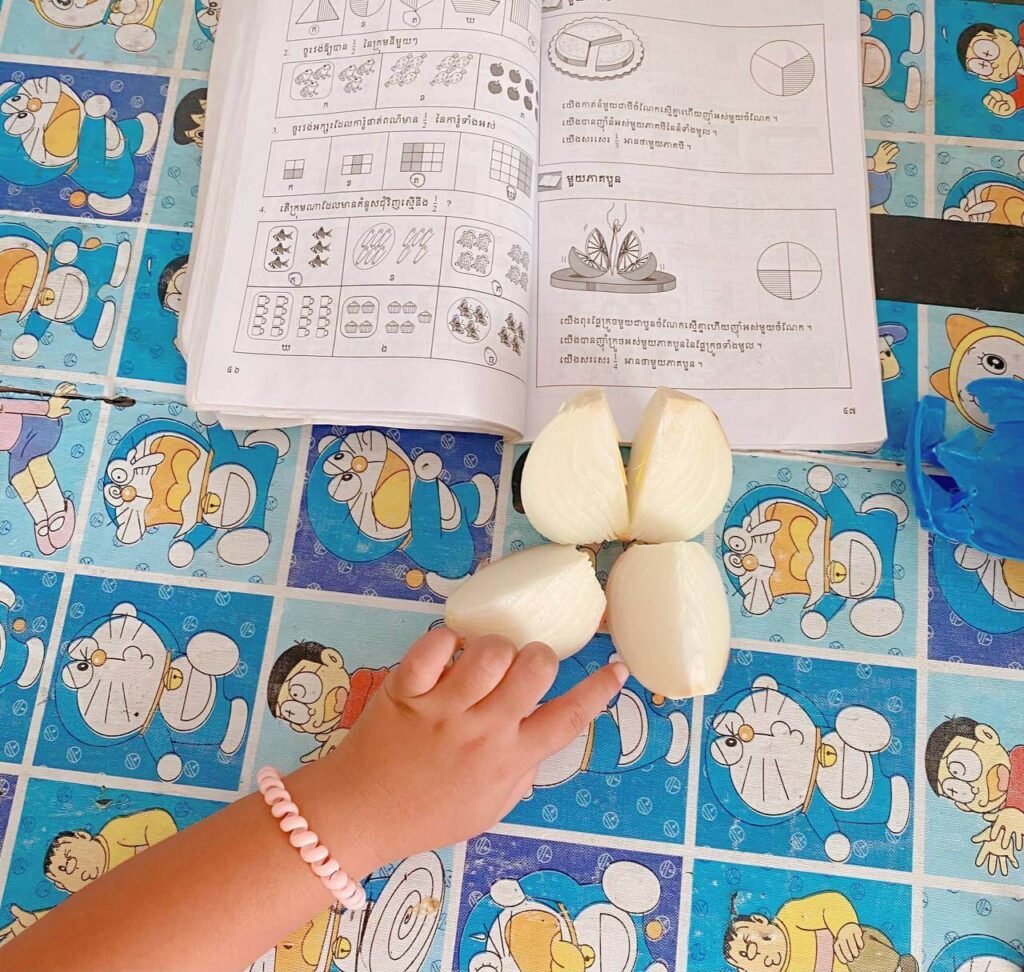
Hold up each piece and ask her what fraction it represents.
Then ask, “If I eat two of the four pieces, how much did I eat?”
Why it works: Seeing and touching physical parts helps children grasp fractions far faster than looking at a drawing.
This is especially true for hands-on learners.
6. Story Problem Mad Libs
Combine humor with real math logic for a combination that is very hard to resist.
How to play: Create a funny story using family members as the main characters.
The sillier the better.
For example: “Yesterday, your little brother went to the market by himself and bought 38 pairs of pants.
He dropped 5 of them on the way home.
How many pants did he bring back?” She will laugh at the mental image, but she will work out 38 minus 5 equals 33 without any complaint.
Tip: Let her create the stories too.
Children who write their own math word problems develop much stronger comprehension skills than those who only solve them.
7. The Even and Odd Bite Countdown
Simple, fast, and surprisingly effective for building number recognition.
How to play: While you are serving her food, count the spoonfuls or pieces together.
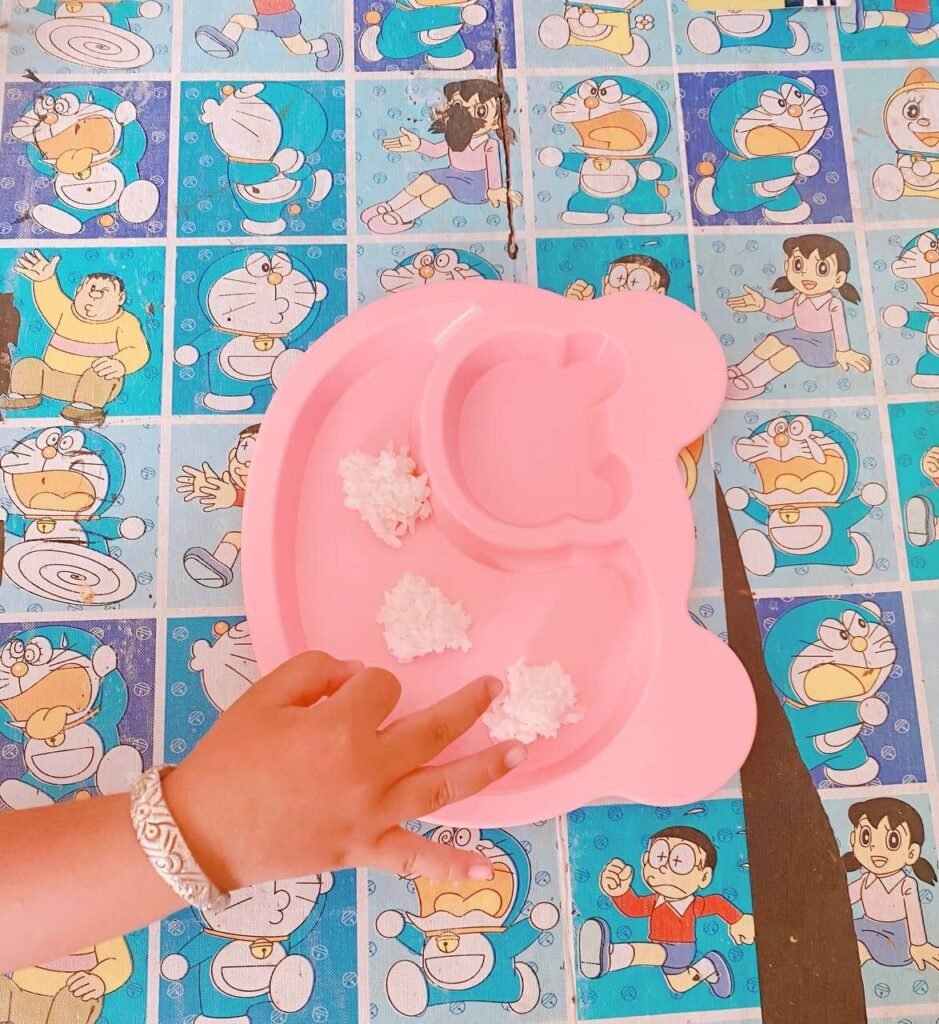
Then ask: “You have 12 pieces of rice. Is 12 even or odd?” You can extend this by asking why, or by challenging her to figure out whether the next number up or down would change the answer.
8. Quick-Draw Finger Math
This one is loud, fast, and builds both reflexes and confidence in quick answering.
How to play: Count together, “1, 2, 3, draw!” and both of you flash a number of fingers at the same time.
The first person to shout the correct sum of both hands wins.
Start slow and speed up as she gets comfortable.
Why it works: Many children hesitate to answer in class because they are afraid of being wrong.
Games like this one normalize fast, imperfect guessing, which is exactly the mindset that helps kids participate more in school.
Part 3: Real-Life Math Activities for Grade 2 (Beyond the Table)
9. Menu Math and Estimation
How to play: When you are out eating or looking at a menu at home, ask her to round each price to the nearest round number.
For example, 4,800 Riel rounds to 5,000.
Then ask her to estimate the total before you add it up.
This builds real-world estimation skills and reinforces rounding, both of which appear in second-grade curriculum standards.
10. I Spy Shapes and Angles
How to play: Take turns spotting specific shapes or angles around the room.
Challenge her to find a cylinder (like a drinking glass), a sphere (like an orange), a square, or a right angle.
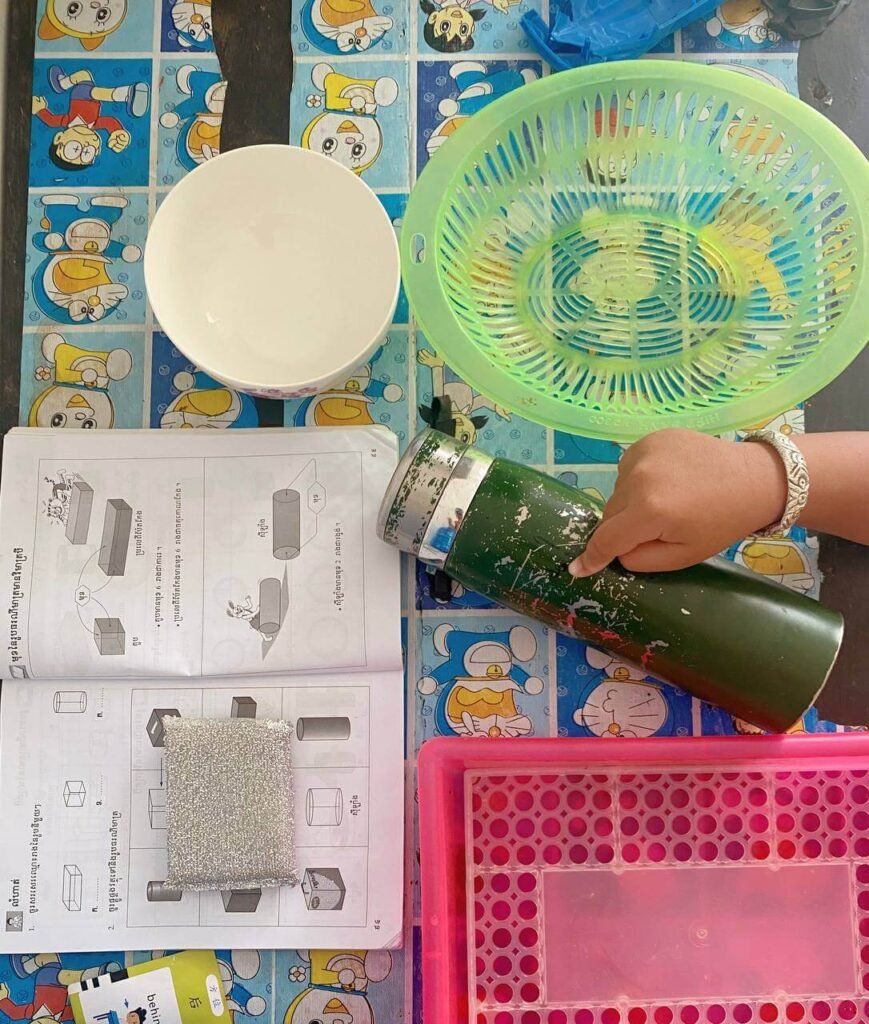
Plates, pots, and even folded napkins all count.
Why it matters: Geometry gets very little attention at home compared to addition and subtraction, yet shapes and spatial reasoning are predictors of higher math performance in later grades.
11. The Time Traveler
How to play: Use the current time as your starting point and create small problems. “It is 5:00 PM now. Your bath takes 20 minutes.
What time will you finish?” Once she masters that, add a second step: “And if dinner is 30 minutes after your bath, when do we eat?”
Grade 2 connection: Telling and writing time to the nearest five minutes is a standard second-grade skill, and this game makes it feel useful rather than abstract.
12. The Money Master
How to play: Let her be in charge of paying for small purchases.
Hand her the money, tell her the price, and ask her how much change she should receive.
For example: “The snack costs 7,000 Riel. I gave them 10,000. How much comes back?” Then check together when the change arrives.
Why it works: Money math for kids clicks instantly when real money is involved.
The stakes feel real, so the focus is naturally higher.
13. The Measurement Hunt
How to play: Hand her a ruler or a measuring tape and give her a mission: find three things shorter than 10 centimeters and one thing longer than 1 meter.
Ask her to write down what she found and the measurements.
Grade 2 connection: Second graders are introduced to centimeters and meters and are expected to measure and estimate lengths.
This activity turns that skill into an exploration.
14. Laundry Logic and Patterns
How to play: While folding clothes together, ask her to sort socks by color, or to create a repeating pattern: shirt, shirt, pants, shirt, shirt, pants.
Then ask, “What comes next in the pattern?” As she gets faster, make the patterns more complex.
Why patterns matter: Pattern recognition is a foundational logical thinking skill that supports algebra readiness, coding, and problem-solving well beyond Grade 2.
15. Snack Data Graphing
How to play: Use any multi-colored snacks or a mix of fruit.
Ask her to sort them by color, count each group using tally marks, and tell you which color has the highest frequency.
If you want to extend it, draw a simple bar graph together on a piece of paper.
Grade 2 connection: Collecting data, making tally charts, and reading bar graphs are direct curriculum standards in most second-grade programs.
This game covers all three in about five minutes.
The Bigger Picture: Making Math Her Friend
The goal of all of this is not to squeeze in extra homework at the dinner table.
It is to change the way your child feels about numbers.
When math shows up as a game, a joke, a puzzle, or a challenge between the two of you, the emotional association shifts.
Children who grow up thinking of numbers as something interesting rather than something scary carry that confidence into every math class they ever take.
A few minutes of these everyday math games is genuinely enough to make a measurable difference over a school year.
Start with whichever game sounds most fun to you. Do it once. See what happens.
Frequently Asked Questions
How long should a 2nd grader practice math at home?
Even 5 to 10 minutes is enough to make a real difference. Short, consistent sessions work better than long, irregular ones. One or two games during dinner or while driving is completely sufficient.
How do I help my child who gets easily frustrated with math?
Normalize being wrong by making mistakes yourself, out loud, and laughing about them. The Two Truths and a Lie game is especially good for this because you are the one making the intentional mistake. Once children see that wrong answers are just part of the game, the frustration usually fades.
How can I challenge a 2nd grader who is advanced in math?
Most of the games here can be scaled up. For the Target Number Challenge, use a larger target and require three operations instead of two. For Fraction Foods, move beyond halves and quarters into thirds and eighths. The structure stays the same; you just increase the difficulty.
What to do when your child refuses to do math practice?
Do not force it. Start by playing the game yourself in front of them, or play it with another family member while they watch. Curiosity almost always wins. You can also let them choose which game to play, which gives them a sense of control.
How do I know if my child’s math skills are improving?
Look for three things: whether she starts volunteering, answers in class, whether homework takes less time, and whether she talks about numbers on her own during the day. Those three shifts usually appear before any grade change does.
Are these math games suitable for 1st or 3rd graders?
Absolutely. Most of these games work well for first through fourth grade. Younger children can play simpler versions, and older children can use larger numbers or more complex operations. The games are flexible by design.
How to fit math practice into a busy family schedule?
Pick just one game and play it every single day for a week. Consistency matters more than variety. Even Quick-Draw Finger Math played for three minutes every morning at breakfast will build automatic recall faster than you might expect.
Disclaimer: The content on Sprout Upward is designed to encourage intentional family leadership. I am a mom of two and a former youth worker sharing my real-life experiences, not a licensed therapist or medical professional. These guides adapt my professional team management background to daily home life. Please consult your pediatrician for any clinical, medical, or psychological advice regarding your child.
