


Disclaimer: The content on Sprout Upward is designed to encourage intentional family leadership. I am a mom of two and a former youth worker sharing my real-life experiences, not a licensed therapist or medical professional. These guides adapt my professional team management background to daily home life. Please consult your pediatrician for any clinical, medical, or psychological advice regarding your child.
Have you ever felt like your world moves at a completely different pace from other families around you?
That is exactly how I feel every single day while raising my 3-year-old son. A simple trip to the local market, something most families treat as a quick errand, feels like a full military operation for me.
If you are a parent of a child with special needs and you carry that same weight of exhaustion and public scrutiny, I want you to know something important: you are not walking this path alone.
Parenting a child with special needs is one of the most demanding journeys a parent can take. But I have learned, slowly and through many hard days, that there is a quiet strength you can build for both yourself and your child.
These seven mindset shifts changed how I navigate our daily life, and I hope they do the same for you.
Key Takeaways
- Tracking your child’s small victories every day is far more meaningful than measuring them against typical developmental milestones.
- I have learned that a meltdown is rarely about stubbornness. For my son, it is usually a signal that he is struggling to manage a feeling they cannot yet express.
- Planning outings around your child’s sensory needs can turn stressful trips into calm, positive experiences.
- You cannot control what strangers think, but you can decide how much of your emotional energy they receive.
- Connecting with other parents of children with special needs is one of the most effective ways to reduce isolation and prevent caregiver burnout.
- Living in the present moment is a daily practice, not a one-time decision. It helps you see what your child genuinely needs right now.
- Following your child’s learning style and pace, rather than forcing them onto a rigid timeline, reduces stress for everyone.
1. Stop Tracking Typical Milestones for Special Needs Children.
When we hold our children up against typical developmental milestones, disappointment tends to creep in quietly.
That kind of comparison, even when it comes from a loving place, can become a source of daily pain.
I started keeping a small notebook to record one tiny accomplishment my son made each day.
Once, when he was two years old, he managed to hold a spoon by himself for the first time.
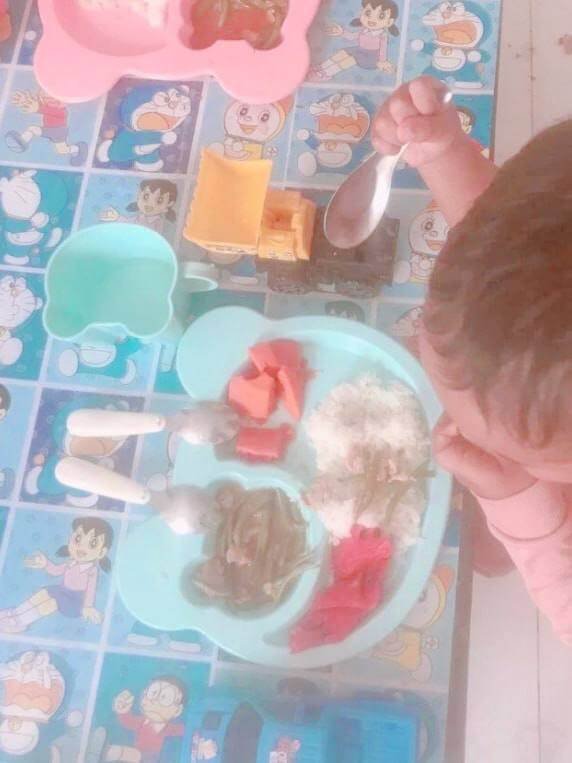
That moment felt enormous to me, even though most parents would have moved past it without a second thought.
Writing it down and reading it back later in the week turned what might have felt like hopelessness into something much closer to excitement.
Learning to celebrate small wins with your child with special needs does not require grand gestures.
It just requires choosing to look a little closer at what is actually happening.
2. See Meltdowns as a Cry for Help, Not a Behavior Problem
This is one of the most important shifts I have ever made, especially when it comes to figuring out how to handle meltdowns in a child with special needs.
When we label a meltdown as stubbornness or a power struggle, we respond with frustration.
When we see it as a child who simply cannot regulate an overwhelming emotion yet, we respond with calm. Those two responses lead to completely different outcomes.
One morning, my son woke up crying and visibly distressed.
Instead of reacting, I took a slow, deliberate breath and asked myself: What is actually bothering him right now? Is it a sound? The light? A change in his morning routine?
I sat down on the floor beside him and gently asked why he was upset.
He pointed to his red toy basket and gestured at it repeatedly. I looked inside.

His yellow toy car was missing. I found it tucked into his bed.
The entire meltdown was about that one small thing he had no words for yet.
Understanding child meltdown triggers does not always happen quickly, and it requires patience that you sometimes feel like you do not have.
But looking for the cause, rather than reacting to the behavior, changes the entire experience for both of you.
3. Plan Outings Around Emotional Safety, Not Just Logistics
For parents raising a toddler with a unique developmental pace or strong sensory preferences, unplanned outings can unravel fast.
Planning is not about controlling your child or limiting their experience. It is about giving them enough predictability to feel safe, which in turn helps you feel calmer too.
Before visiting any new place, I go through a short personal checklist.
Is there a quiet space where my son can step away if he becomes overstimulated? What items does he need to feel settled and grounded? What does the layout look like, and are there any sensory challenges I should prepare for?
Last Sunday, I took him to a play area with open space, sand, and pebbles. Most importantly, it was quiet. He loved every minute of it.

Finding sensory-friendly spaces takes a little extra research at first, but the difference it makes in how the outing goes is absolutely worth the effort.
4. Parenting a Child with Special Needs Means Building Your Own Emotional Armor
Dealing with public judgment as a special needs parent is one of the most quietly draining parts of this journey.
You cannot control what strangers think, say, or believe. But you can decide exactly how much space their opinions take up in your mind, and that decision matters more than people realize.
I still remember a day at the local market when my son grabbed items from another shopper’s cart. I could feel the stares from every direction.

I chose to ignore every single one of those stares. I used one calm, firm phrase: “Thank you for your concern. My son is in a learning phase right now.” Then I turned my full attention back to him.
You are not required to explain your child to the world. Protecting your emotional energy is not rude or defensive.
It is absolutely necessary. Building that inner boundary, that quiet armor, is one of the most important forms of caregiver self-care you can practice.
5. How to Find Community as a Special Needs Parent
Isolation can be one of the heaviest burdens for a special needs parent.
When you spend most of your energy managing daily challenges without anyone nearby who truly understands your experience, burnout follows sooner or later.
Finding emotional support as a special needs parent does not have to mean formal therapy or organized programs, although those can help. It can begin right in your own home.
Every Saturday or Sunday evening, between 8:00 and 8:30, our family holds a short family meeting.

We sit together, share what we are feeling, and talk through whatever has felt heavy that week. My daughter talks about her stress at school. I share my own exhaustion.
Even just saying things out loud to people who care brings a real sense of relief.
If you do not have a close family support system, special needs parenting communities and special needs family groups can offer that same sense of being seen and understood. You are not meant to carry this alone.
6. Choose Presence Over Worry About the Future
One of the most exhausting habits for special needs parents is worrying about what lies far ahead: who will care for my child when I am no longer here? Will they be okay? What will their life actually look like?
These questions are natural, and they come from love. But they also quietly drain the energy you need to care for your child today.
When those future worries surface now, I ask myself one simple question: what does my son actually need from me at this exact moment?
Sometimes the answer is a smile. Sometimes it is a hug. Sometimes it is just sitting next to him on the floor, fully present, doing nothing else.
One evening, we ordered pizza, sat together, and I asked him how it tasted. He responded in his own way, in his own language. That small exchange felt like everything.

The foundation for your child’s future is built through the warmth you offer them today. You do not need a perfect plan. You need presence.
7. Follow Your Child’s Lead, Not the Parenting Textbook
So many special needs parenting tips are written for a general audience and built around a general child.
Not every approach will fit your child, and chasing methods that were not designed for how your child actually learns can leave you more frustrated and exhausted than before.
The most powerful shift I have made is learning to simply observe.
What does my son love most? Does he learn through touch, through watching, through sound? What pace actually works for him, not for a child in a book?
Once I started following his lead rather than pushing him onto a timeline built for someone else, something shifted. He became calmer.
I became calmer. And the guilt of feeling like I was never doing enough began to quietly fade.
A Final Word for Every Parent Walking This Road
Parenting a child with special needs is a constant, evolving practice. There is no arrival point, no day when you will suddenly have every answer.
But something remarkable is happening in your home every single day, including the hard ones.
You are not a broken system. You are not falling behind. You are the most courageous guide your child’s world has ever known.
When the exhaustion feels heavy, come back to these mindset shifts. Not all at once. Just one at a time.
Small adjustments practiced consistently are what make this journey more sustainable for both of you, and that consistency is worth far more than any single perfect day.
Frequently Asked Questions
How do I personally cope with caregiver burnout?
I cope by actively adjusting my expectations and stopping the comparison to typical developmental milestones. In my experience, tracking my son’s micro-milestones—like holding a spoon at age two—in a daily notebook and connecting with other special needs parents are the most practical ways to reduce the emotional load you carry alone.
What are the emotional challenges of parenting a special needs child?
In my experience, the most common emotional challenges are deep exhaustion, isolation, grief over unmet expectations, and ongoing stress from public judgment. Many parents also carry intense anxiety about the future. Acknowledging these feelings openly, rather than pushing them down, is the first and most important step toward managing them.
How I learned to tell the difference between my son’s tantrums and his sensory meltdowns?
The biggest difference I’ve noticed between my son’s tantrums and his sensory meltdowns is an overwhelming physical and emotional reaction to their environment.
You can sometimes negotiate with a tantrum, but a meltdown—like when my son’s yellow toy car is missing, and he cannot find the words—requires immediately calming the environment and finding the hidden trigger.
How do I handle my child’s meltdown in public?
In my experience, staying entirely calm and focusing on the trigger has been our best strategy.
I always remind myself that a brief, polite boundary is enough and I do not owe onlookers a detailed explanation.
How can special needs parents avoid burnout?
I have found that avoiding burnout requires building a firm support system and fiercely protecting their personal emotional energy. I prevent isolation through our brief weekend family check-ins, but connecting with special needs parenting communities and accepting help when it is offered are equally vital to making this journey sustainable.
What support is available for parents of children with special needs?
Support networks include family, trusted friends, online parent communities, local parent groups, local parent-child support groups. The most important first step is simply reaching out. Asking for support is not a sign of weakness; it is one of the most courageous things you can do for yourself and your child.
How do I stop worrying about my special needs child’s future?
I pull myself out of future worry by actively grounding myself in what my son needs in the exact present moment. While future worry is an incredibly common and draining struggle, asking yourself what your child needs right now—even if it is just sitting on the floor fully present—is the most meaningful investment you can make in their future.
