

Disclaimer: The content on Sprout Upward is designed to encourage intentional family leadership. I am a mom of two and a former youth worker sharing my real-life experiences, not a licensed therapist or medical professional. These guides adapt my professional team management background to daily home life. Please consult your pediatrician for any clinical, medical, or psychological advice regarding your child.
Last month, my husband and 6-year-old son started chatting on the side while my 8-year-old daughter was explaining her homework.
She picked up a dry-erase marker from the center of the table, looked her dad dead in the eye, and said, “Quiet. Class is in session.”
I had to hide my smile.
But more importantly, I realized something huge: our new 15-minute weekly routine was actually working.
Before we started holding family meetings, our home was a daily battleground of morning rushes and sibling bickering.
When I asked my daughter, “How was school today?” I’d get a clipped “It was fine” before she retreated to her room.
We tried to guide and lecture, but it just turned into nagging, and the kids simply tuned us out.
If you want to shift your household from “Mom and Dad constantly lecturing” to “our family working together as a team,” you don’t need a corporate boardroom or a PowerPoint.
Our weekly huddles are simple, involve delicious snacks, and take exactly 15 minutes a week.
Here are 12 practical family meeting ideas that we actually use in our house, along with a simple weekly agenda you can start using this Sunday.
Key Takeaways
Before diving in, here is a quick summary of what you will learn:
- What it is: A family meeting is a short, weekly gathering (15 minutes is enough) where every family member gets a voice, from the youngest child to the adults.
- Why it works: It shifts the dynamic from “parents vs. kids” to “our family vs. the problem,” which reduces nagging, sibling conflict, and morning chaos.
- Who it is for: Families with children around 6 to 12 years old will see the strongest results, though younger and older kids benefit too.
- What you need: A talking object, a simple agenda board, a snack, a timer, and the 12 ideas in this article.
- How fast it works: Most families notice a real change in their child’s behavior within 2 to 3 weeks of consistent meetings.
What Is a Family Meeting for Kids?
A family meeting for kids is a short, structured time each week when the whole family sits together to share feelings, solve problems, plan the week, and celebrate each other.
It is not a lecture session, and it is not a disciplinary hearing. It is a team huddle, and every member, including your 8-year-old, has a real role to play.
Think of it as a family team-building activity that happens right at your dining table.
The format is flexible.
Some families meet on Sunday evenings.
Others prefer Friday afternoons.
The day does not matter as much as the consistency.
Once it becomes a weekly ritual, children start looking forward to it rather than dreading it.
How to Run a Family Meeting With Kids: The Simple Weekly Agenda
One of the most common questions parents ask is: “Where do we even start?”
Here is the basic weekly family meeting agenda our family follows.
You do not need to cover all of this every single week.
Pick what fits your family each time.
| Time | Agenda Item |
| 0:00 | Appreciation circle (everyone shares one thing they love about the person to their left) |
| 2:00 | Rose, Bud, and Thorn (feelings check-in for every family member) |
| 5:00 | Review the fridge agenda board (issues anyone wrote down during the week) |
| 8:00 | Collaborative problem solving for any issues raised |
| 11:00 | Weekly calendar sync (who goes where, when) |
| 13:00 | Shared family goal and chore assignments |
| 15:00 | Timer goes off. Transition immediately into play. |
That is it. Fifteen minutes. And the secret ingredient is that you stop at the timer, even if you are not finished.
This teaches kids that the meeting is safe, short, and worth showing up to.
12 Family Meeting Ideas That Make Every Week Count
Here are the 12 ideas our family has tested, adjusted, and fallen in love with.
Each one comes with the real story of how it played out in our home.
1. The Appreciation Circle (Changing How They See Each Other)
Children can so easily fixate on what annoys them about their siblings.
We use the appreciation circle to flip that habit on its head.
While I can’t speak for their neurology, as a parent, I’ve watched this simple act build a habit of gratitude.
It encourages them to actively look for the good in others, which has naturally reduced the bickering in our house over time.
Start the meeting by having everyone look to the person on their left and say one thing they appreciate about that person.
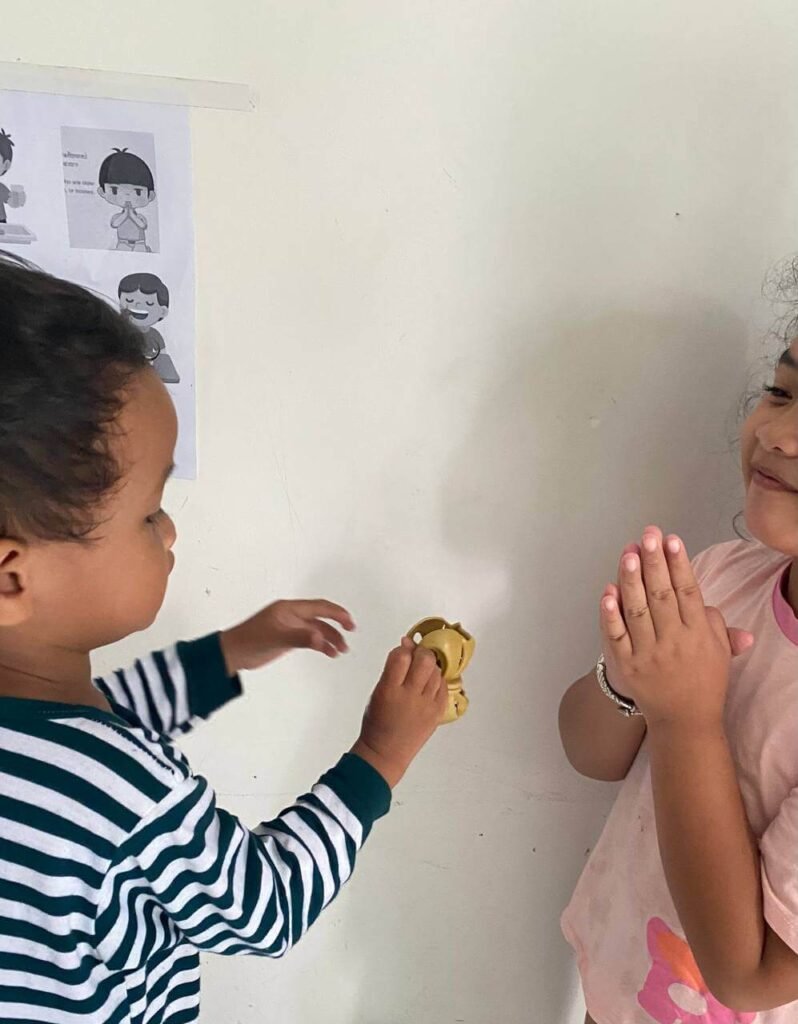
Our story: One afternoon, when my daughter lost her hair clip at school, I found it in the playroom.
Instead of giving it to her directly, I quietly passed it to her younger brother to hand to her.
She thanked him with a sweetness that genuinely warmed our hearts.
That small moment was a direct result of practicing gratitude together every week.
2. The Talking Object Rule (How to Stop Kids From Interrupting)
At 8 years old, and sometimes younger, it is genuinely hard for children to regulate emotions and resist the urge to interrupt.
A physical object solves this in a surprisingly effective way.
It gives them something concrete to understand: if you are not holding it, you are listening.
In our family, we do not always have a parent leading.
During homework time, we place a whiteboard marker in the center of the table.
Whoever holds the marker is the teacher, and the others listen attentively.
Our story: When my daughter was teaching math using the marker, my husband and son started chatting on the side.
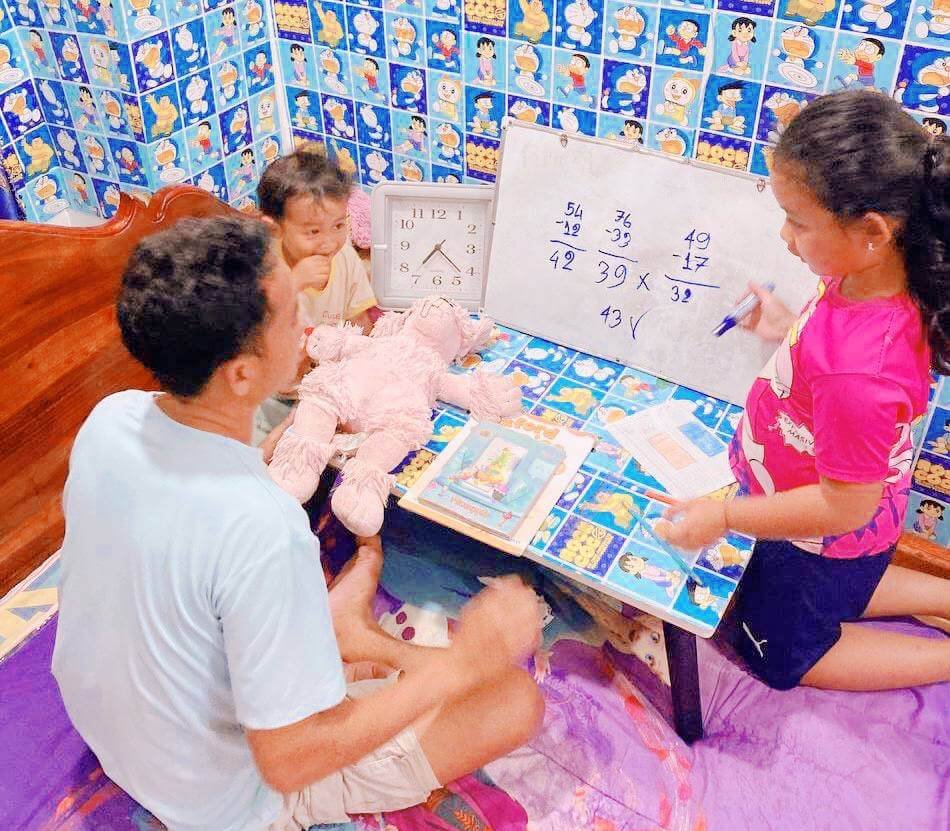
She turned to them firmly and said, “Quiet. Class is in session.”
Her serious expression while lecturing her father was absolutely priceless.
3. Rotating the Chairperson (Give Kids Real Ownership)
Grade 2 children crave independence and trust.
If parents are always in charge of the meeting, kids feel like they are there to be talked at rather than to truly participate.
Rotating the chair every week changes that completely.
The chairperson opens the meeting, holds the agenda, and calls on members who raise their hands.
It does not have to be formal.
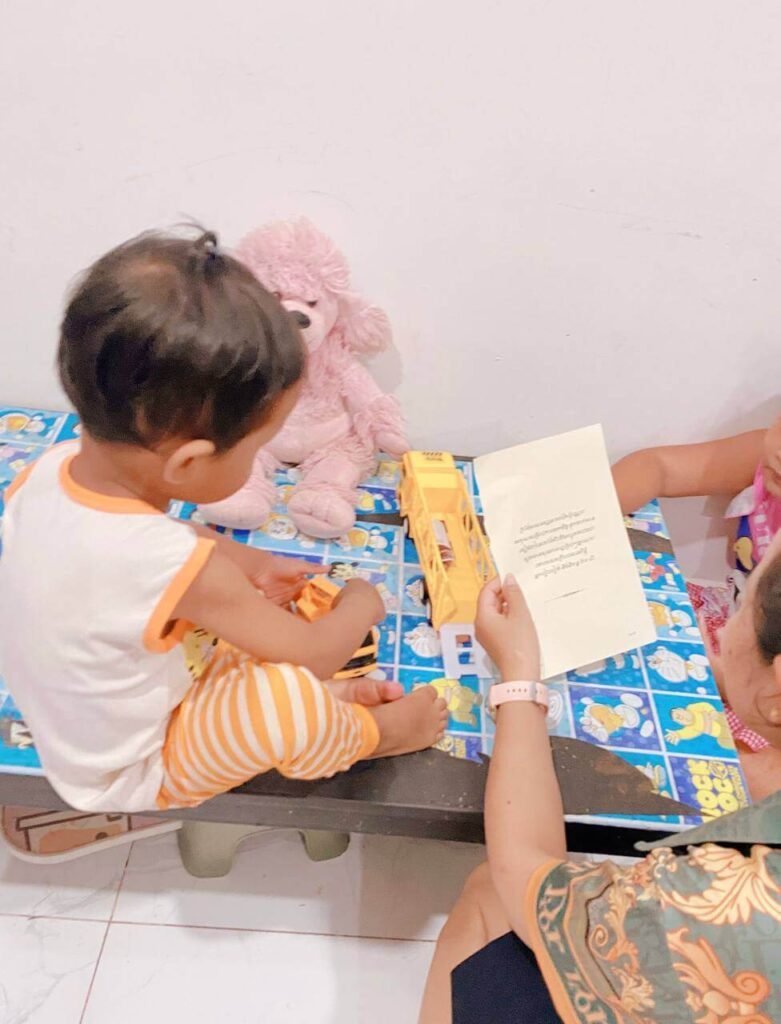
We often meet on the sofa or around the low dining table.
Why it matters for intentional parenting: Giving a child a leadership role, even for 15 minutes a week, builds confidence in a way that praise alone cannot.
They feel genuinely trusted, and that feeling carries into how they behave the rest of the week.
4. Rose, Bud, and Thorn (The Antidote to “It Was Fine”)
If you are tired of getting one-word answers when you ask about your child’s day, this simple format is the answer.
It opens the door to real feelings and is one of the best emotional intelligence activities for kids because it builds the habit of naming emotions out loud.
Everyone in the family shares three things:
- Rose: The happiest moment of the week. For example, “I finally learned to ride my bike without help.”
- Thorn: Something that was hard, sad, or frustrating. For example, “My brother keeps taking my eraser when I am doing homework.”
- Bud: Something they are looking forward to next week. For example, “I hope Mom makes something delicious, and my brother stops taking my pencils.”

The rose bud thorn family meeting format works for any age, and it works beautifully for parents, too.
When kids see adults share their own thorns, they understand that having hard feelings is normal and safe to talk about.
5. The Fridge Agenda Board (Stop Nagging in the Moment)
This is one of the simplest family meeting ideas and one of the most powerful for reducing daily friction.
Instead of addressing every complaint or conflict the moment it happens, the agenda board gives everyone a place to “park” it until meeting time.
I printed pictures of daily tasks, such as cleaning the room and reading, and posted them on the wall alongside a clock and a notepad.
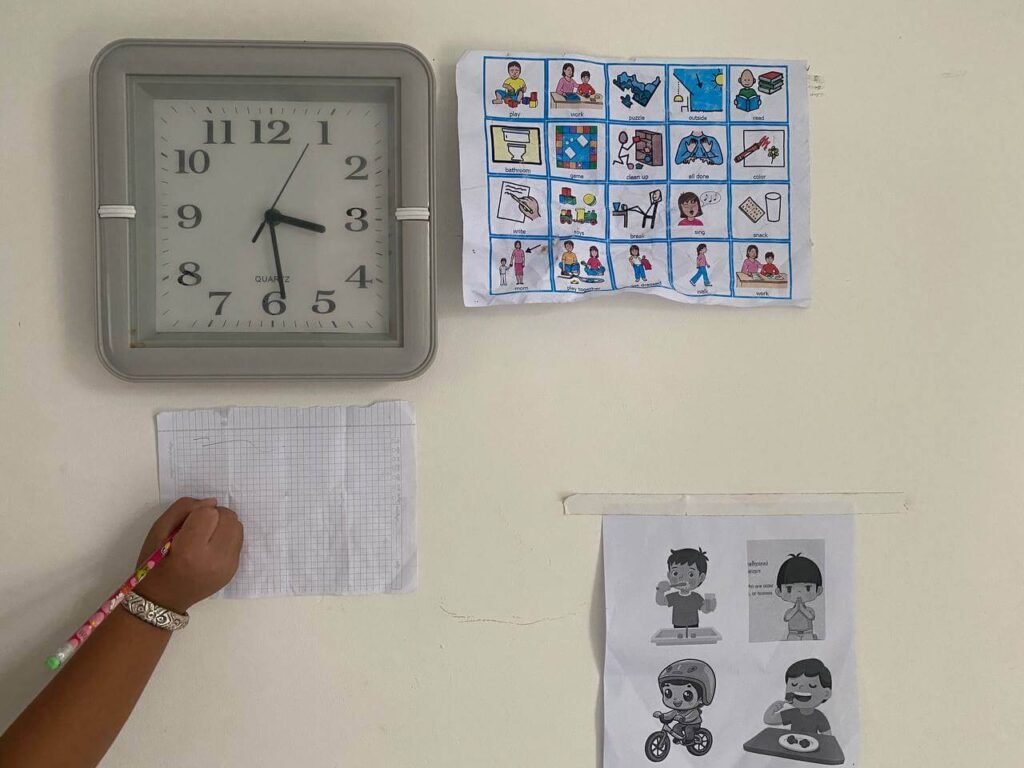
When my son took clothes from my daughter’s closet without asking, instead of turning it into a big argument, I simply said, “Okay, write that down on the family meeting agenda.”
When the meeting day came, we talked about it calmly, together, without the heat of the original moment.
The issue got solved, and nobody felt attacked.
6. Collaborative Problem Solving (From “Us vs. Them” to “Us vs. The Problem”)
This is arguably the most important of all the family meeting ideas in this list, because it changes the entire atmosphere of how your family handles conflict.
When parents dictate rules, kids resist.
When kids participate in finding solutions, they are far more willing to follow through because the solution is partly theirs.
Our story: My daughter used to wake up late on Monday mornings, which made the whole family stressed.
Instead of lecturing her, I brought it up at our meeting and framed it as a shared problem: “We all feel really rushed on Monday mornings.
How can we make this better?”
Then I asked her and her brother to come up with three ideas each.
We wrote down every suggestion, including the silly ones, and voted on the best one to try for the coming week.
She chose her own solution. She followed it.
The mornings got smoother.
That is collaborative problem solving with kids in practice.
7. The Special Snack (The Magnet That Draws Everyone to the Table)
Here is the honest truth: kids do not want to sit at a table and listen to rules. But kids absolutely want pizza.
The special snack is not a bribe. It is a ritual.
We only allow a particular treat, like pizza or popcorn, during the family meeting.
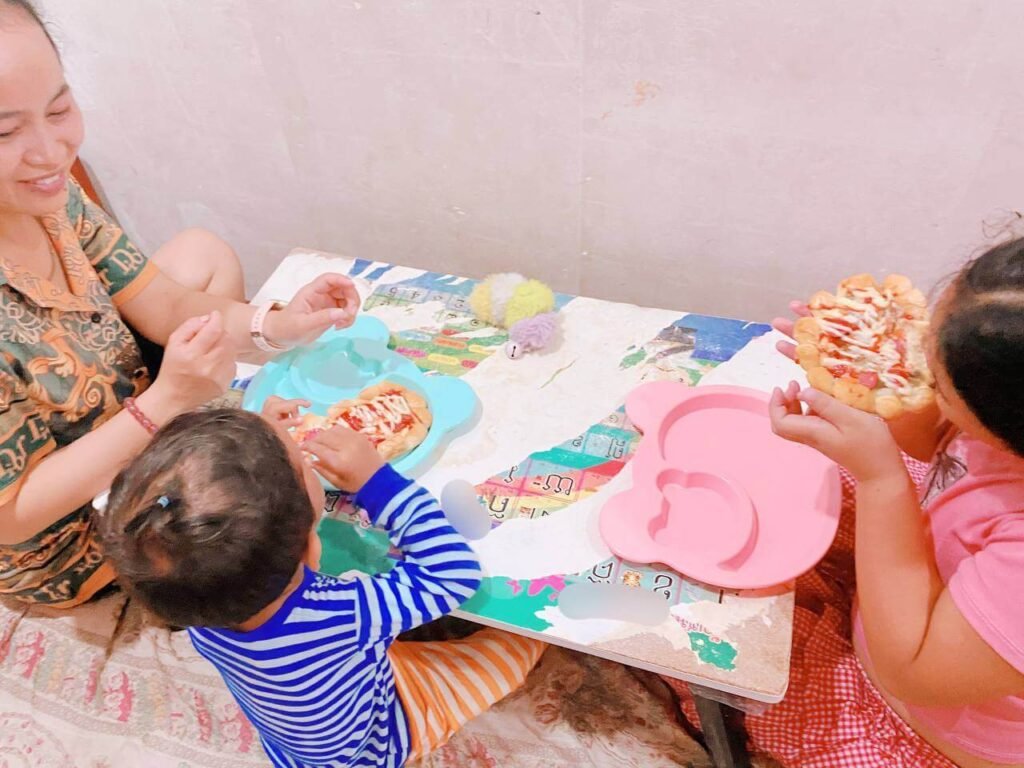
That association makes the meeting feel like a special occasion rather than an obligation.
Eating, chatting, and laughing together creates exactly the warm, connected atmosphere that makes every other part of the meeting work.
This is one of those family connection rituals that sounds almost too simple, but it works every single time.
8. The 15-Minute Timer (Short Meetings That Kids Actually Respect)
An 8-year-old’s attention span has real limits.
If the meeting drags on, you will lose them, and next week they will not want to show up.
Place a visible timer in the center of the table.
When it goes off at 15 minutes, the formal agenda ends immediately, even if you are not done. This rule is non-negotiable in our family.
The result is that kids learn the meeting is short, predictable, and efficient.
They stop dreading it.
The 15-minute boundary actually makes everyone more focused during the time you do have.
9. The Weekly Calendar Sync (Security Through Knowing What Is Coming)
Children feel anxious when they do not know what is ahead.
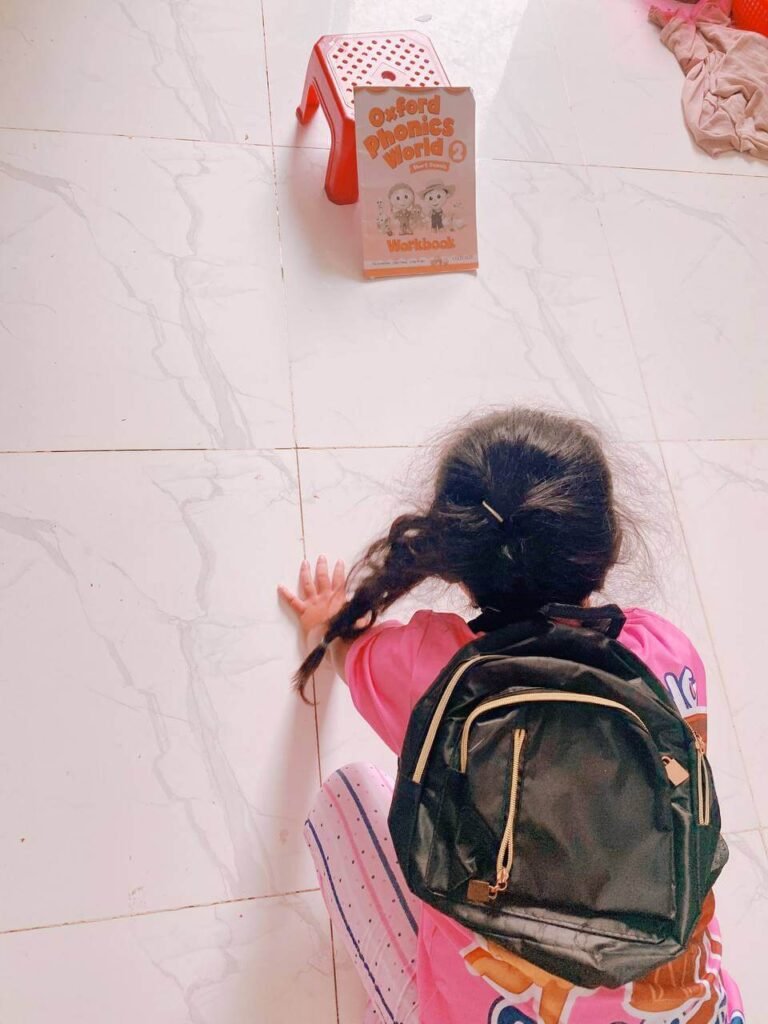
This is especially true for 8-year-olds, who are old enough to notice changes in the schedule but not always old enough to feel okay about surprises.
Spending three minutes syncing the family calendar gives kids a sense of security and, just as importantly, a sense of significance. We say things like, “Tuesday, Mom works late, so Dad will pick you up.
Thursday, you have swimming practice.”
We let our daughter write the events on the wall calendar herself.
She feels like a genuine assistant, not just someone being informed.
That small act of participation matters more than most parents realize.
10. Shared Family Goals (Turn Chores Into a Team Mission)
Chores become a battle when they feel like punishment.
They become something different entirely when they are framed as part of a shared team mission.
We set one family goal for the week, something like, “Everyone puts their shoes in the cabinet as soon as they get home.”
If we achieve it as a family by Friday, we earn a group reward, like a movie night on Saturday.
This is one of the most effective family team-building activities you can do inside your own home.
The goal is visible, the reward is shared, and the responsibility belongs to everyone equally.
11. The Chore Draft (Give Kids Ownership by Letting Them Choose)
Forcing a chore on a child creates resistance.
Letting a child choose their own chore creates ownership.
It is a small psychological shift that makes a surprisingly large difference.
Write age-appropriate tasks on separate slips of paper.
Good chore ideas for 8-year-olds include setting the table, feeding a pet, sweeping a room, watering plants, and sorting laundry.
Then let the kids take turns picking the tasks they want.
The beauty of this system is that they cannot complain, because they chose.
They have a stake in it.
That feeling of ownership is one of the most effective ways to teach kids responsibility without a single lecture.
12. Always End With Play (The Rule That Keeps Them Coming Back)
Behavioral researchers often talk about the “Peak-End Rule”—the idea that people judge an experience largely by how it ends.
You don’t need a psychology degree to see this in action at your dining table.
If our family meeting ends in boredom or a heavy lecture, that is exactly what our kids will remember.
If it ends in laughter, that is what draws them back next week.
The moment our 15-minute timer goes off, we transition immediately into something joyful: a quick round of Uno, everyone hopping around like frogs, or putting on music for a completely ridiculous dance party in the living room.
It is silly. It is imperfect. And it is the one thing our kids ask about every single week.
Family Meeting Topics to Discuss: A Quick Reference List
Not sure what to put on the agenda?
Here are family meeting topics to discuss that work well for families with kids between 6 and 12 years old:
- Sibling conflict resolution (something that happened during the week)
- Morning routine improvements
- Upcoming events and schedule changes
- A shared family goal for the week
- Chore assignments using the chore draft method
- Something a family member wants to learn or try
- A family outing or activity to plan together
- A challenge one child faced at school, and how the family can support them
- Acts of kindness that the family can do together
- Screen time rules or changes that everyone agrees on
Keep the list short. Two or three agenda items are plenty for a 15-minute meeting.
The fridge agenda board will help you decide which topics are most pressing each week.
Why This Works So Well for 8-Year-Olds Specifically
If your child is in Grade 1 through Grade 3, you are at an ideal window for this kind of intentional parenting activity.
Here is why parenting tips for 8-year-olds so often emphasize family participation.
Children around this age are developing a strong need for independence and fairness.
They want to be heard. They want to feel capable.
At the same time, they are still learning how to regulate big emotions and express frustration without melting down.
Family meetings address all of this at once.
The talking object teaches them how to wait and listen.
The appreciation circle rewires them toward empathy.
The collaborative problem-solving format shows them that their voice carries weight.
And the rotating chairperson role gives them genuine responsibility in a safe, low-stakes setting.
Most of the families I know who started this saw real changes in their child’s confidence and emotional regulation within two to three weeks.
Not because it is magic, but because kids rise to the level of trust you place in them.
The Best Family Meeting Ideas Are the Ones You Actually Use
Give it a try, parents.
The first meeting might feel a little awkward.
The kids might giggle through the appreciation circle, someone might forget the talking object rule, and the timer might go off before you finish.
That is all perfectly fine.
The best family meeting ideas are not the ones that are perfectly organized.
They are the ones you show up for consistently, week after week, with snacks and a timer and a willingness to laugh at yourselves.
If you stick with it for two to three weeks, you will start to see something real shift in your family.
Not because the meetings are complicated or because you followed every rule, but because you chose to sit together, listen to each other, and work as a team.
hat decision, simple as it sounds, is at the heart of intentional parenting.
Start this Sunday. Pick three items from the agenda.
Bring the snack. Set the timer.
And end with something that makes everyone laugh.
Your family is already a team.
These weekly family meeting ideas are just the huddle.
Frequently Asked Questions
What should I do if my child refuses to participate?
Start with zero pressure. Let them sit at the table for the snack without requiring them to contribute. In most cases, curiosity wins within a week or two, especially when they see their sibling getting to be the chairperson and feeling important. Never force participation.
What should I do if the meeting turns into a complaint session?
Start every meeting with the appreciation circle before anything else. Opening with gratitude sets a tone that is genuinely hard to argue with. If complaints dominate, gently remind the group: “We heard the thorn. Now let’s talk about the bud. What is one thing we’re looking forward to?”
How do I handle kids using the meeting to blame siblings?
Welcome it, but redirect it. That is exactly what the agenda board is for. If they bring up a sibling’s mistake, handle it using the collaborative problem-solving format. Focus on the problem, not on blame. Saying, “We had an issue with the eraser. What ideas do we have to solve it?” keeps the conversation productive and removes the finger-pointing.
