

Disclaimer: The content on Sprout Upward is designed to encourage intentional family leadership. I am a mom of two and a former youth worker sharing my real-life experiences, not a licensed therapist or medical professional. These guides adapt my professional team management background to daily home life. Please consult your pediatrician for any clinical, medical, or psychological advice regarding your child.
If you have ever asked your child what happened at school and got nothing but a shrug, you are not alone.
For a long time, I could not figure out how to improve my daughter’s communication skills at home, and honestly, it was breaking my heart.
Whenever she finished reading a book, I would ask her what the story was about.
She would just look down, quiet, unable to say a single thing.
I tried cooking her favorite meals to cheer her up, but she would not want to eat them either.
Every mother probably knows that feeling.
It is heartbreaking.
I felt pity for her, and then I would feel frustrated; sometimes, I would push too hard, until we both ended up in tears.
My husband hated seeing us like that almost every day.
Then my husband sat me down and gave me some gentle advice.
Together, we tried five simple methods with our children.
Everything changed.
My daughter, my husband, and I are so much happier now, and our home feels calmer and more connected.
If you are wondering how to help your child express their feelings and communicate with you, these methods are a great place to start.
Key Takeaways
Before you dive in, here is a quick summary of what this article covers:
- Daily conversation helps children build vocabulary and confidence to share their thoughts.
- Reading together builds listening skills, imagination, and a love for language.
- Encouraging kids to express their feelings gives parents a window into what their child actually thinks and wants.
- Less screen time means more real-life interaction, which is where true communication skills grow.
- Active listening makes children feel valued, which makes them want to talk more.
- These five methods helped my family go from daily tears and frustration to happy, open conversations at home.
1. Chat With Your Child Every Day
The Dinner Table Strategy
One of the simplest and most powerful ways to improve communication with your child is to just talk with them, every single day, about ordinary things.
Simple daily conversations help children learn new words and find the confidence to share their thoughts and feelings.
Guidelines from the American Speech-Language-Hearing Association (ASHA) align with what I have seen in my own home: children who talk regularly with their parents develop much stronger language skills over time.
In our family, we chat at the dinner table.
We sit around our low dining table, which feels cozy and relaxed, and we just talk about what happened during the day.
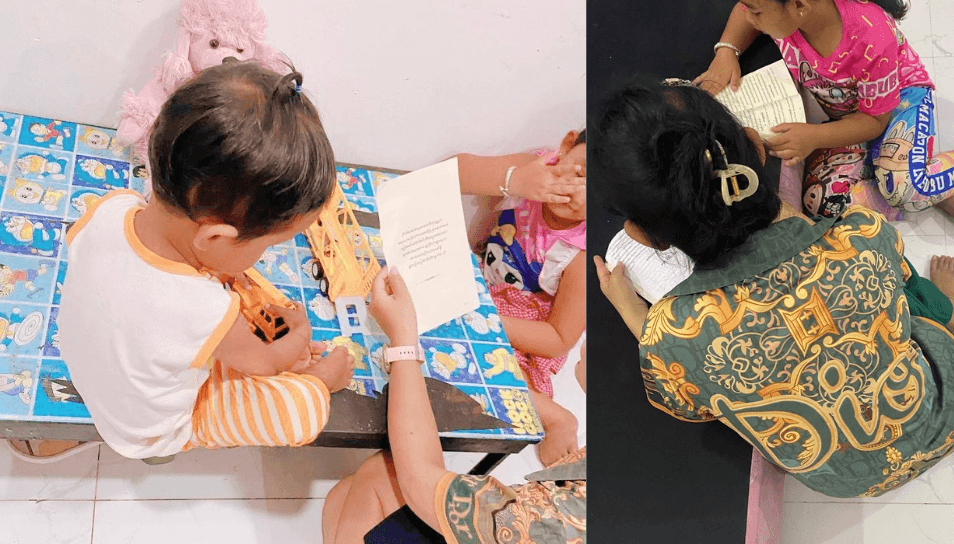
One evening, I sat on the floor holding a handwritten list of our “family rules.”
My 3-year-old son was at the table with his toy crane and yellow truck.
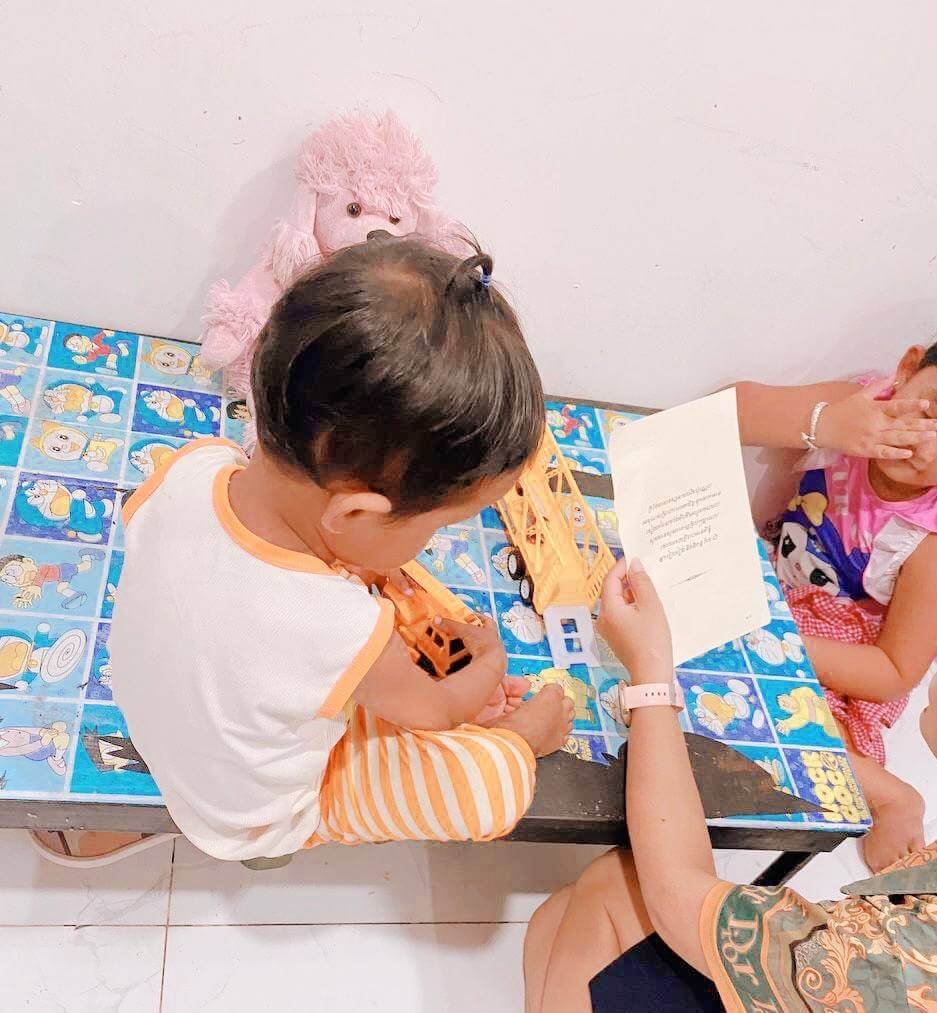
My daughter sat nearby, already smiling.
Instead of reading the rules like a lecture, I just talked through them in a casual, conversational way.
They both listened. They laughed. And in those 10 to 15 minutes, my daughter shared something I had never heard her say before.
She told us she was proud of herself for putting her shoes away after school, but that her little brother kept pulling clothes out of the closet.
That simple dinner conversation gave her the space to share her thoughts, express her feelings, and even show her sense of responsibility.
You do not need a special activity or a fancy tool for this.
You just need to show up at the table and talk.
Try this: Ask your child one open-ended question at dinner tonight, something like, “What made you laugh today?” or “Did anything feel hard today?”
2. Read Books Together
Reading aloud with your kids is one of the most underrated child communication skills activities out there, and it costs almost nothing.
When children read alongside you, they build vocabulary, sharpen their listening skills, and stretch their imagination.
The American Academy of Pediatrics‘ guidelines on early literacy also point to something I have noticed myself: children who are read to consistently tend to speak more clearly and tell stories better.
In our family, we read together in our spare time, usually picking the same book so we can share the experience.
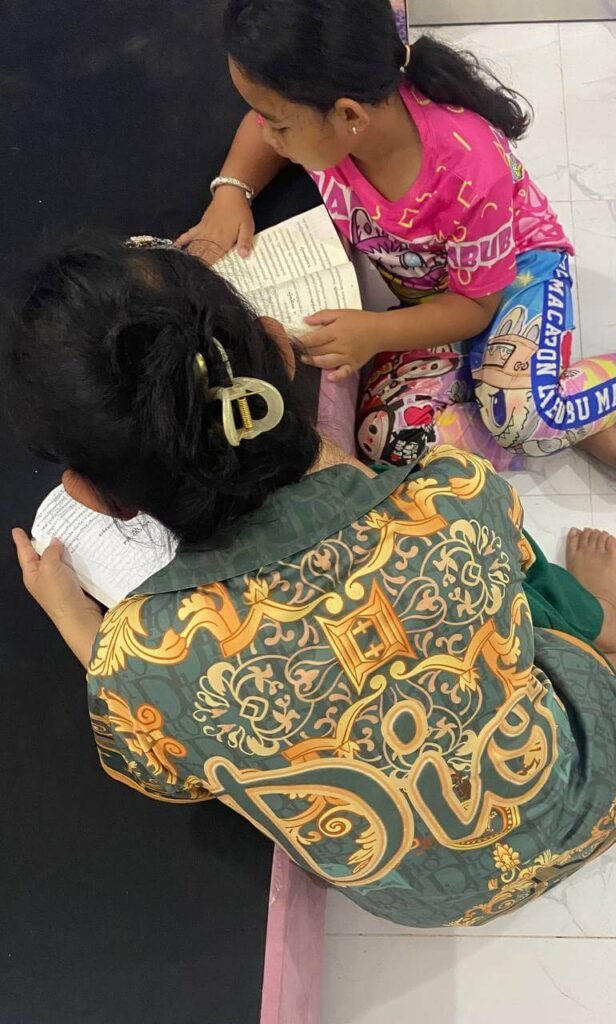
Before bedtime, we sit close together, each holding a copy.
We take turns reading.
I start the first sentence, and my daughter picks up where I leave off.
When she stumbles on a word, we do not rush her or correct her sharply.
We slow down and sound it out together.
That little routine has become one of our favorite parts of the day.
She is not just reading words on a page.
She is learning how to listen, how to follow a story, and how to find the right words to describe what she is thinking.
Try this: Start with a short picture book if your child is young, or let your child pick the book.
Giving them the choice makes them more engaged.
3. Encourage Your Child to Express Their Feelings
This is the method that surprised me the most.
And if I am being honest, it is the one that changed everything for us.
For months, I could not figure out why my daughter refused to eat the delicious meals I cooked for her.
I asked her directly a dozen times and got nothing.
Then one afternoon, my husband had the children “cook” a pretend meal together.
He called it Chha Bornlear, a local vegetable dish.
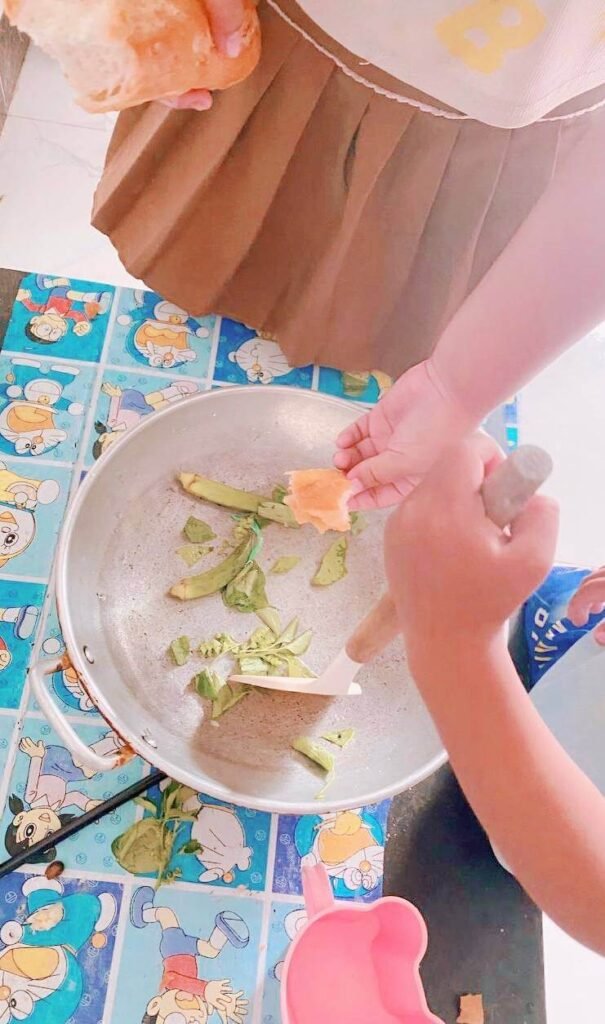
My son held a little wooden spatula, and my daughter played the role of adding the “ingredients.”
The moment she got to the vegetables, she stopped and told her brother firmly, “No, no, no! We are not adding bitter melon.
It tastes bitter, and it is hard to eat. I do not like it!”
That was it.
That was the answer I had been searching for.
She did not like bitter melon.
She had never found the words to tell me directly, but in the safety of pretend play, it came right out.
This is what I mean when I say encouraging children to express their feelings gives you a window into their world.
You do not always have to ask.
You just have to create the right moment, and they will tell you everything.
How to get a quiet child to open up is one of the most common questions I see from other parents, and this method is my best answer.
Pretend play, storytelling, drawing, and role play all give children a safe space to say what they feel without the pressure of a direct question.
Try this: Instead of asking “Why don’t you want to eat this?”, try playing a pretend cooking game and let your child decide what goes in the pot.
4. Reduce Screen Time and Create Space for Real Conversations
Children develop their best communication skills through real-life interaction, not through a screen.
And I say this as a parent who has been tempted, many times, to hand over the iPad just for a few minutes of quiet.
What I have read, and what I have watched happen in my own home, is that the less time children spend staring at a screen, the more they talk, ask questions, and engage with the people around them.
The clearest example I have seen of this was when my daughter started teaching her younger brother how to greet people.
She taught him Sompeah, the traditional Khmer greeting used to show respect to teachers and elders.
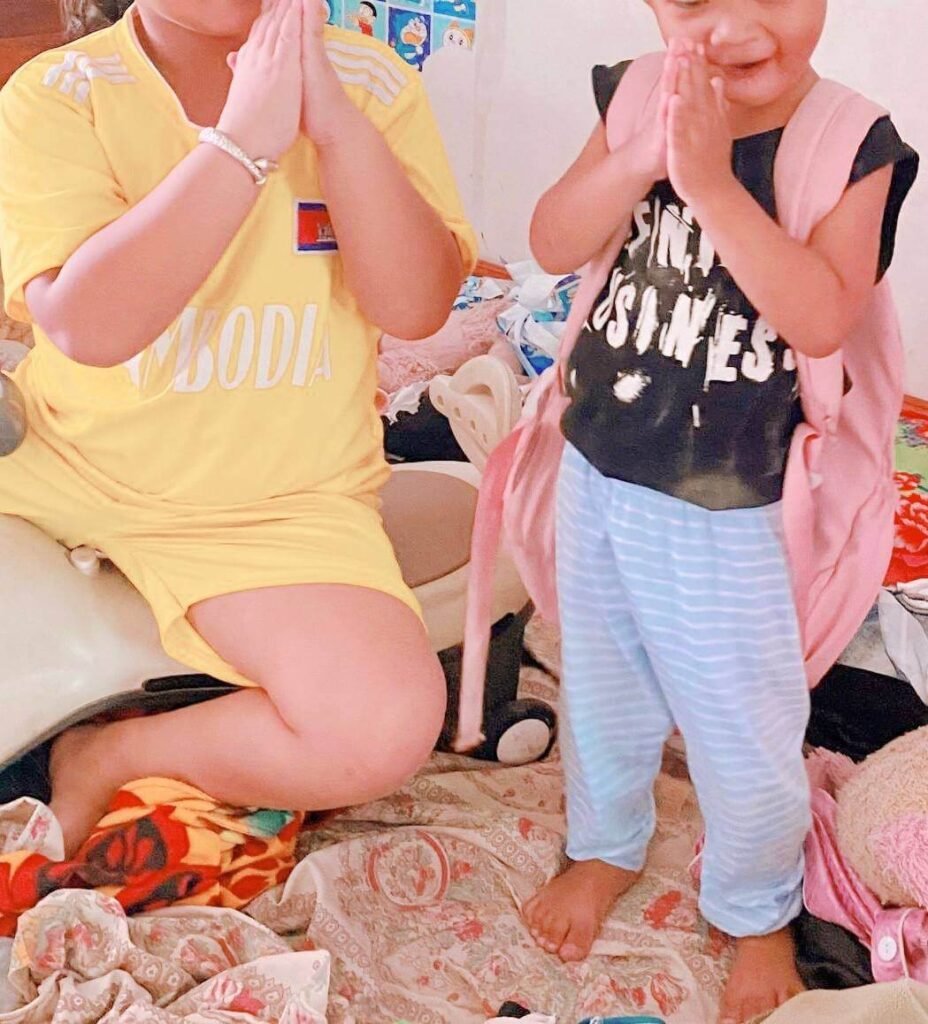
She showed him the right posture, the right angle, and the right moment to do it.
He followed her lead perfectly.
She could only teach him that because we had been teaching her since she was three years old, face-to-face, through real conversation and example.
No app taught her that. No video showed her how.
It came from living in a home where communication was part of everyday life.
Screen-free activities to improve kids’ communication do not have to be elaborate.
They just have to involve real people talking to each other.
Try this: Set one “no screens” hour each day, ideally around meals or bedtime, and just talk, play, or read together during that time.
5. Be a Good Listener
Here is something that took me a while to understand: my daughter talks more when she feels like I am actually listening.
When parents listen with patience, children feel valued.
And children who feel valued become more confident about speaking up.
It is that simple.
Active listening for parents does not mean you have to sit down formally every time and give your child your full attention with nothing else happening.
Some of the best conversations I have had with my daughter happened while I was doing something else entirely.
For example, one afternoon, I was folding laundry while she sat nearby reading Pinocchio out loud.
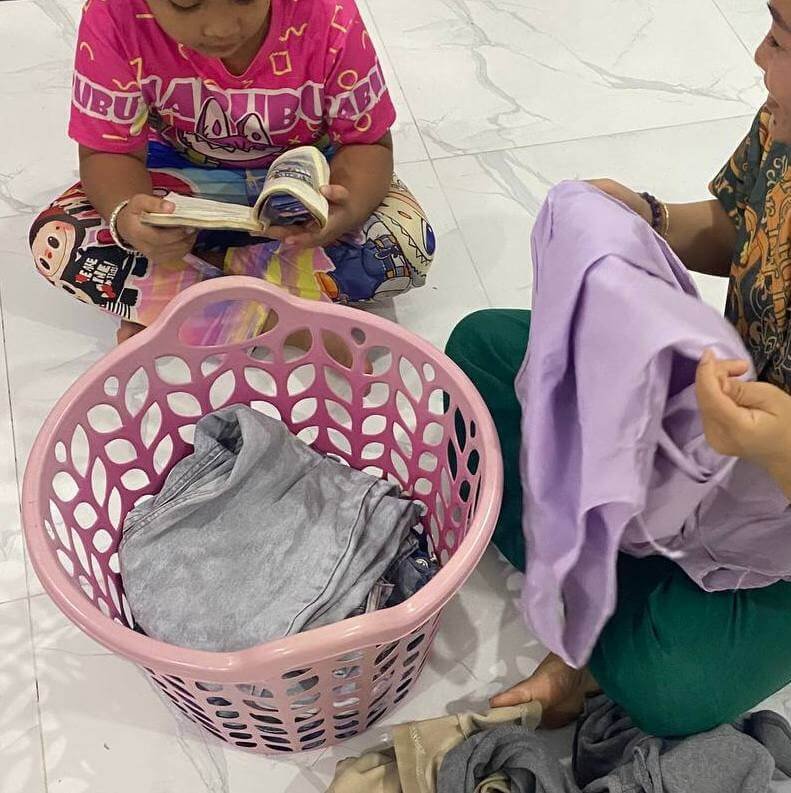
I listened while I worked.
When she got stuck on a word, I would glance over, and we would sound it out together.
My hands were busy, but my attention was on her.
She knew that.
And it made her happy to keep going.
That kind of present, relaxed listening matters more than a formal sit-down conversation.
Children do not always need you to stop everything. They just need to know you are there.
Try this: The next time your child starts talking to you while you are busy, pause what you are doing for just a few seconds, make eye contact, and respond.
That small moment tells them their words matter.
How These 5 Methods Helped My Family
Before we started using these methods, my home felt tense.
My daughter struggled to share her thoughts.
I struggled to understand her.
We both ended up frustrated, and sometimes in tears.
My husband felt helpless watching us.
After we committed to these five simple daily habits, things shifted.
My daughter started opening up.
She told us that she was proud of herself.
She told us what she liked and did not like.
She started teaching her brother.
She started reading with me every night.
Learning how to improve your child’s communication skills at home does not require a program or a specialist.
It starts with small, consistent moments: a question at dinner, a book before bed, a game of pretend, a screen-free hour, and a parent who listens without rushing.
These are the moments that build a child who can speak, listen, and connect with the people they love.
Frequently Asked Questions
Why won’t my child tell me about their day?
Most children do not respond well to broad questions like “What did you do today?” because it feels like a test. Try asking something specific, like “Did anything funny happen at lunch?” Sharing a short story from your own day first also helps, as it models the kind of back-and-forth sharing you are hoping for.
At what age should I start working on my child’s communication skills?
The earlier, the better. Speech-language pathologists generally agree that the habits you build from age two or three have a lasting impact. Even simple things like narrating your daily routine out loud—like explaining what you are cooking—help very young children build foundational language skills.
How do I help my child talk about big emotions?
Do not wait for a direct confrontation. Use books with emotional characters to open the door. When your child sees a character who is sad or angry, ask, “Have you ever felt like that?” This gives them a low-pressure way to talk about their own feelings through the safety of a story.
Are there specific activities that help a naturally shy child?
Face-to-face questioning can overwhelm a shy child. Instead, focus on casual, side-by-side activities. Building blocks together, coloring, or helping prep dinner keeps the pressure low. When they don’t feel like they are in the spotlight, the conversation usually comes much more naturally.
