

Disclaimer: The content on Sprout Upward is designed to encourage intentional family leadership. I am a mom of two and a former youth worker sharing my real-life experiences, not a licensed therapist or medical professional. These guides adapt my professional team management background to daily home life. Please consult your pediatrician for any clinical, medical, or psychological advice regarding your child.
The alarm goes off, and I instantly feel the stress creeping in. I am rushing to pack lunches, track down missing shoes, and get everyone out the door for school.
But beneath the morning rush, something heavier is happening. My daughter struggles with everyday worries and gets easily overwhelmed.
Maybe she is worrying about a math test she thinks she will fail. Maybe she is working through some playground drama with friends that started yesterday.
Or maybe, like many 8-year-olds in second grade, she is just starting to realize that the world is a big, sometimes scary place, and she is not quite sure if she is ready for it.
As parents, it breaks our hearts to see our children’s confidence crumble when they hit a roadblock.
We want to swoop in and fix everything. But the truth is, we cannot protect them from every obstacle.
What we can do, though, is give them the tools to handle those hurdles themselves.
That is where positive affirmations for kids come in.
I am not talking about forced, cheesy catchphrases. I am talking about simple daily habits that help shift your child’s inner dialogue from “I can’t do this” to “I can.”
Taking just two minutes to offer encouraging phrases for your daughter’s confidence before school can help her build a growth mindset that will serve her far beyond second grade.
Every phrase in this article is something I have said to my own 8-year-old daughter.
Each one includes the real moment it came from, so you know exactly when and how to use it with your child.
Key Takeaways
- Positive affirmations for kids are short, specific phrases that help children replace negative self-talk with more helpful thoughts.
- You do not need a scheduled “affirmation time.” These phrases work best when said naturally in the middle of real, everyday moments.
- The 13 phrases below cover confidence, mistakes, emotion regulation for kids, self-love, creativity, resilience, and belonging.
- Real stories and context make affirmations stick far better than repeating generic phrases.
- Daily affirmations for 8-year-olds work best when parents model the same kind of self-talk for themselves out loud.
- For affirmations for kids with anxiety, introduce phrases during calm moments first, so the child already knows the words when a harder moment arrives.
- These confidence-building phrases for girls (and boys) cost nothing and take less than two minutes a day.
Quick Reference: 13 Daily Affirmations for Kids
| The Phrase | Best Used For (The Trigger) | The Goal |
| I can do hard things. | Right before trying a difficult or overwhelming task. | Overcoming task paralysis and the fear of trying. |
| My mistakes help my brain grow. | Right after a mistake happens, before correction turns to shame. | Building a Growth Mindset and reframing failure as data. |
| You are a helpful leader. | When catching them helping or teaching a younger sibling/friend. | Fostering responsibility and validating their value in the family. |
| It is okay to be mad, but it is not okay to be mean. | When anger starts tipping into hurtful behavior. | Teaching Emotional Regulation and separating feelings from actions. |
| You have incredibly creative ideas. | When they solve a problem in their own unique way. | Validating independent thinking and problem-solving skills. |
| You are brave enough to ask for help. | When they admit they don’t know something or ask a hard question. | Reframing asking for help as a strength, not a weakness. |
| I am a good friend to myself. | Anytime you hear them using harsh, negative self-talk. | Applying outward empathy inward to stop the negative self-talk spiral. |
| Your voice and your choices matter. | When they confidently state a preference or set a healthy boundary. | Reinforcing personal autonomy and self-advocacy. |
| Our family is happier just because you are in it. | During bedtime routines, completely detached from the day’s performance. | Providing unconditional love and foundational self-esteem. |
| You can always try again tomorrow. | At the end of an exhausting, frustrating, or rough day. | Honoring difficult emotions while providing a clean slate |
| I am proud of myself, even if I am different from others. | When they feel the pressure to conform or hide their uniqueness. | Protecting their individual identity against peer pressure. |
| You are enough just as you are. | When they feel disappointed in their own performance or effort. | Decoupling personal self-worth from achievements or grades. |
| You can choose to look for the good. | When they are stuck in a spiral of minor, unchangeable complaints. | Practicing positive focus and shifting attention deliberately. |
What Are Positive Affirmations for Kids?
Positive affirmations for kids are simple, short statements that a child hears or repeats regularly to help them build a kinder and more confident inner voice.
They are not magic words. They are small, consistent nudges that help children develop positive self-talk, which is the inner conversation we all have with ourselves when things get hard.
When children hear affirming statements consistently, especially in real situations they can connect to, it becomes easier over time for them to reach for a helpful thought instead of a harsh one.
This builds self-esteem, reduces the habit of negative self-talk, and helps children face new challenges with more courage.
For these phrases to work well, they need to feel true, specific, and connected to real experiences.
A phrase that lands at the right moment will always be more powerful than fifty phrases on a poster.
That is exactly what this article is built around.
Why These Phrases Work Differently From a Generic List
Most affirmation articles online give you a list of 50 or 100 phrases with no explanation. You read them, nod, and forget them by dinner.
What actually helps children who struggle with low confidence, school anxiety, or a tendency to be hard on themselves is not a perfect phrase on a sticky note.
It is the moment a parent looks at their child after something hard just happened and says exactly the right thing.
Every phrase below comes from a real moment in our home in Battambang, Cambodia.
I will tell you what happened, what I said, and why it helped.
You will recognize the situations even if your family’s context looks different.
13 Positive Phrases to Say to Your Daughter Every Day
These encouraging phrases for kids come from real life, not a textbook.
Use them as a starting point and adjust the wording so it sounds like you.
1. “I Can Do Hard Things”
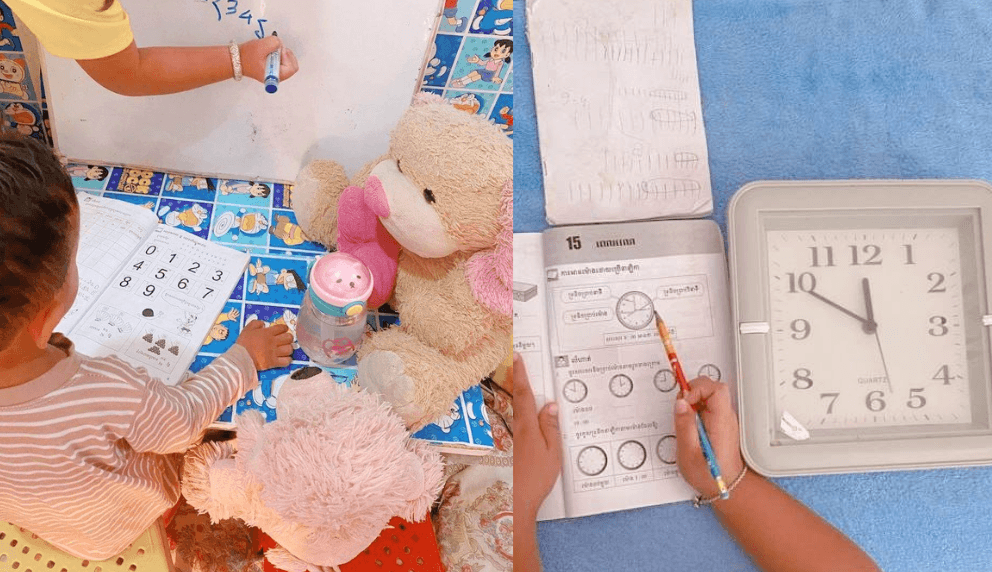
My daughter was working through a time-telling exercise in her school workbook. The page asked her to identify the three clock hands: the hour, minute, and second.
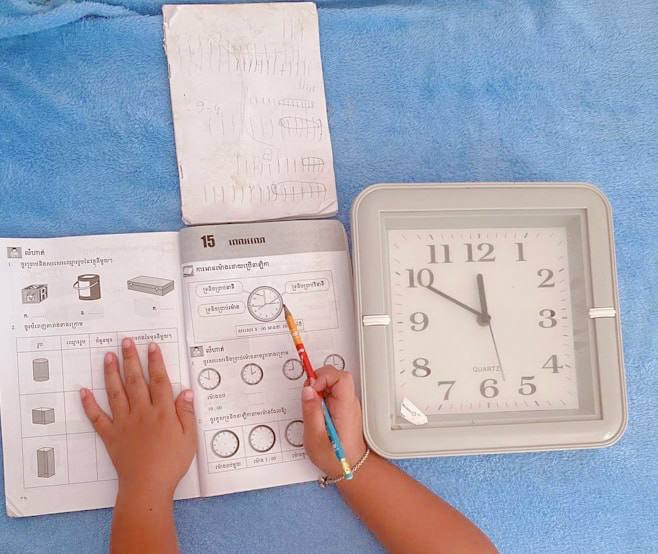
She found it very difficult to keep the rules straight, like how 60 seconds moves the minute hand one tick, or how a full rotation of the minute hand moves the hour hand to the next number.
Even when I placed a real clock right next to her workbook, she still struggled.
Before she tried again, I had her say out loud: “I can do hard things.”
That simple phrase helped quiet the fear of even trying. It did not make the clock easier to read. But it made her willing to look at it again.
When to say it: Right before your child tries something that feels too big or too difficult for them.
2. “My Mistakes Help My Brain Grow”
One Sunday morning, my daughter ran off with her dad to the market without putting her toys back in their red basket first.
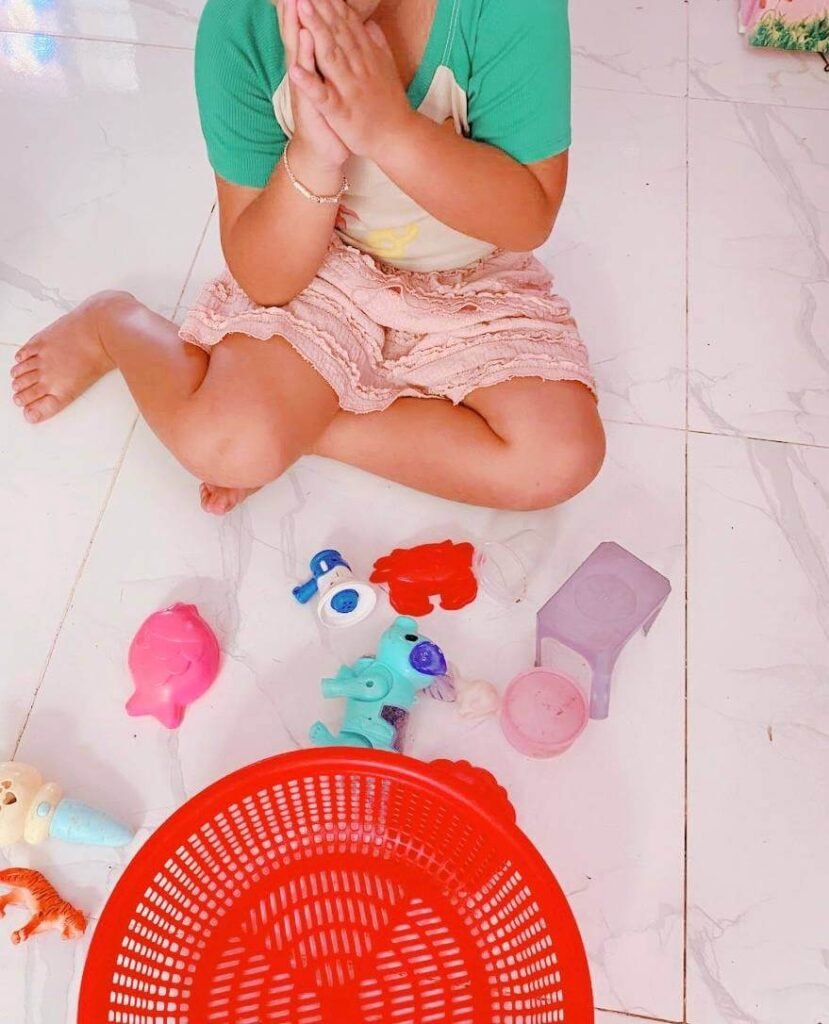
When she got home, I looked at her with a warm smile and said, “Oh! This is a mistake.
What does our rule say? What did our brain learn from this for next time?”
She pressed her hands together in a Sampeah, our Cambodian gesture of respect and apology, and said, “Our rule is to put toys back in the basket after playing.
Next time, before I go anywhere, I need to tidy up first.”
That phrase, said gently over many months, has become one of the most useful tools I have for helping her understand that mistakes are not something to be ashamed of.
They are just information her brain can use.
This is the foundation of what psychologist Carol Dweck calls a growth mindset—teaching children that their abilities and understanding can actively improve through effort and learning from failure.
When to say it: Right after a mistake happens, before the correction turns into shame.
3. “You Are a Helpful Leader”
Last week, my daughter was playing with her younger brother at home.
She set up a pretend classroom where she was the teacher, and he was the student, patiently teaching him to count from 1 to 9.
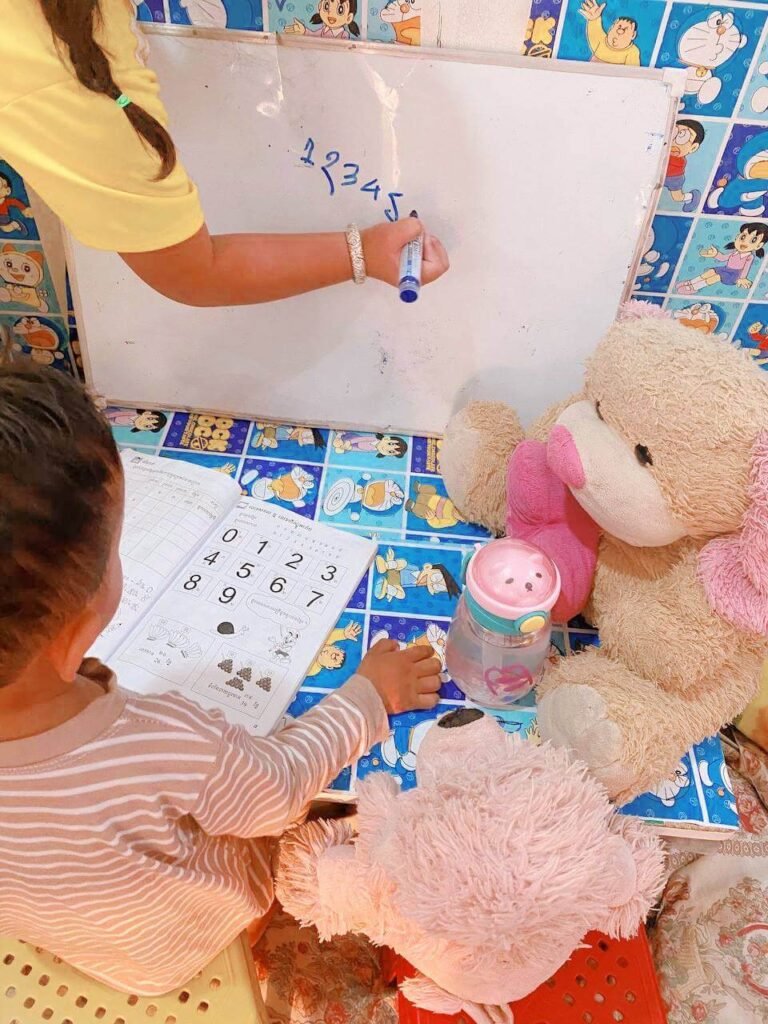
When I saw her showing him how to read numbers, I told her, “You are a helpful leader.”
Her face lit up in a way that a simple “good job” has never produced. This phrase gives her a role in the family that matters.
It tells her that her teaching counts, that her patience is valuable, and that someone in this house is a better learner because of her.
When to say it: When you catch your child helping, guiding, or teaching someone younger than them.
4. “It Is Okay to Be Mad, but It Is Not Okay to Be Mean”
One afternoon, her younger brother snatched her toy while she was in the middle of playing.
She got angry immediately.
Instead of telling her to stop or calm down, I said, “It is okay to be mad, but it is not okay to be mean.” Then I had her sit in a quiet corner until the feeling passed.
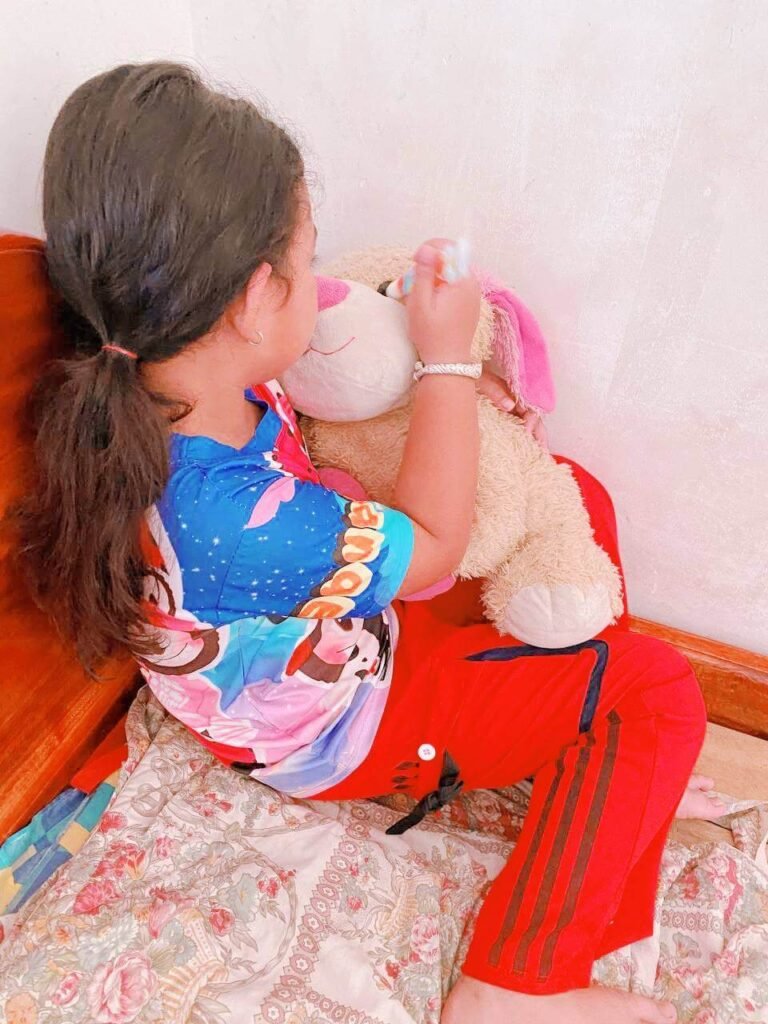
After she stopped crying, I said the phrase again. Not as a scolding, just a reminder.
This is one of the most important phrases for emotional regulation in kids that I have found.
It teaches the difference between a feeling, which is always valid, and a behavior, which can be chosen.
It tells her: “Your anger is not wrong. What you do with it matters”.
When to say it: The moment an emotion is beginning to tip into behavior that could hurt someone.
5. “You Have Incredibly Creative Ideas”
One Saturday evening, my husband gave our daughter a whiteboard and a marker.
He asked her, “When I take Mr. Boy for a walk, and there are a lot of people around, what should I do to keep him safe?”
She drew two stick figures holding hands and wrote “PA” above one of them, which means “Dad” in Khmer.
Her answer: hold his hand in a crowd.
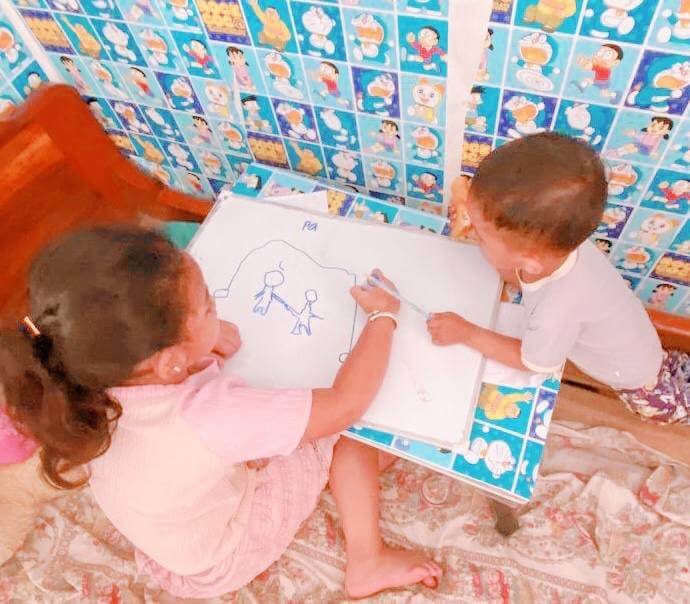
I told her, “You have incredibly creative ideas.” Not “that is smart.” Not “good answer.”
I named exactly what she had done: she had solved a real problem in her own creative way, without being told how.
When to say it: When your child solves a problem or answers a question in their own unique way, however small.
6. “You Are Brave Enough to Ask for Help”
One day, I gave her 6,000 Riel and asked her to buy the ingredients for Machur soup, a traditional Khmer sour soup we love at home.
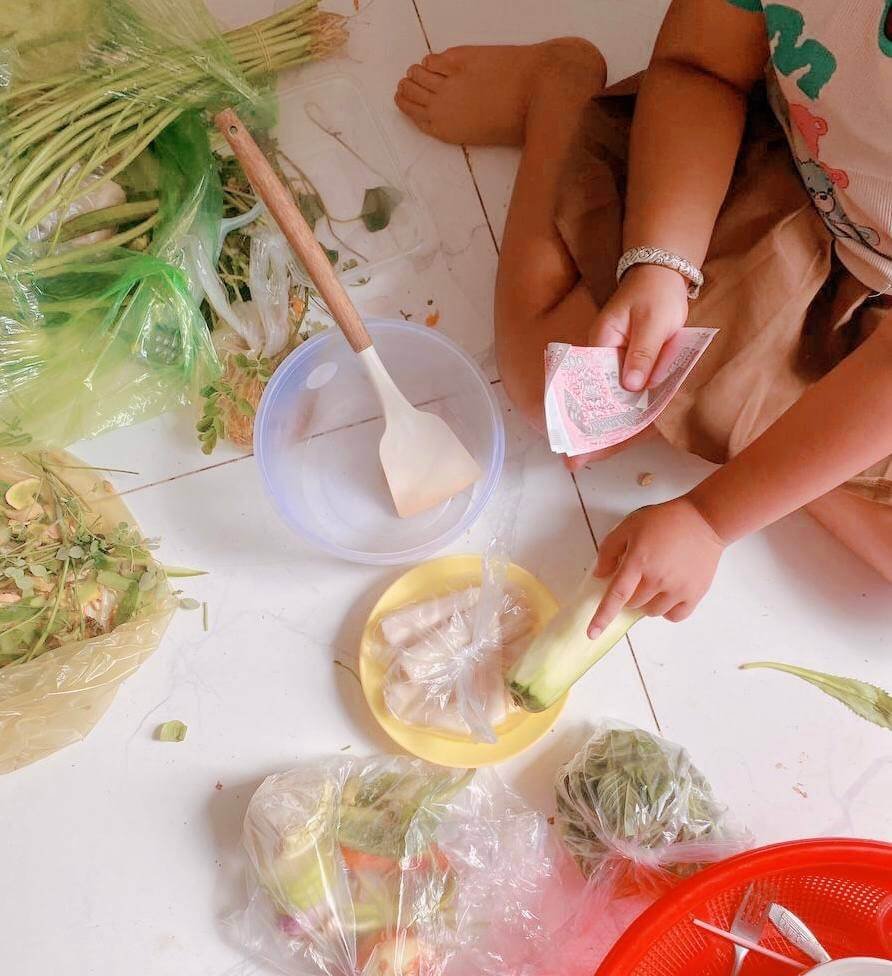
When she got to the market, she realized the money was not enough for everything on the list.
Instead of coming home empty-handed or guessing, she came back and asked, “Mom, can we just get half a papaya instead?”
I said yes immediately, and then I praised her before we even talked about the soup. “Mom is so proud of you for asking. Come on, let us figure this out together.”
This phrase teaches something that many children, and many adults, find genuinely hard: asking for help is not a sign of weakness. It is a sign of bravery.
When to say it: Any time your child asks a question they were afraid to ask, or admits they do not know something.
7. “I Am a Good Friend to Myself”
This one came from her dad.
One rainy afternoon, she was sitting on the floor with him playing Amaze GO!, a maze-solving game.
She reached Level 180, labeled “Super Hard,” and could not find the exit.
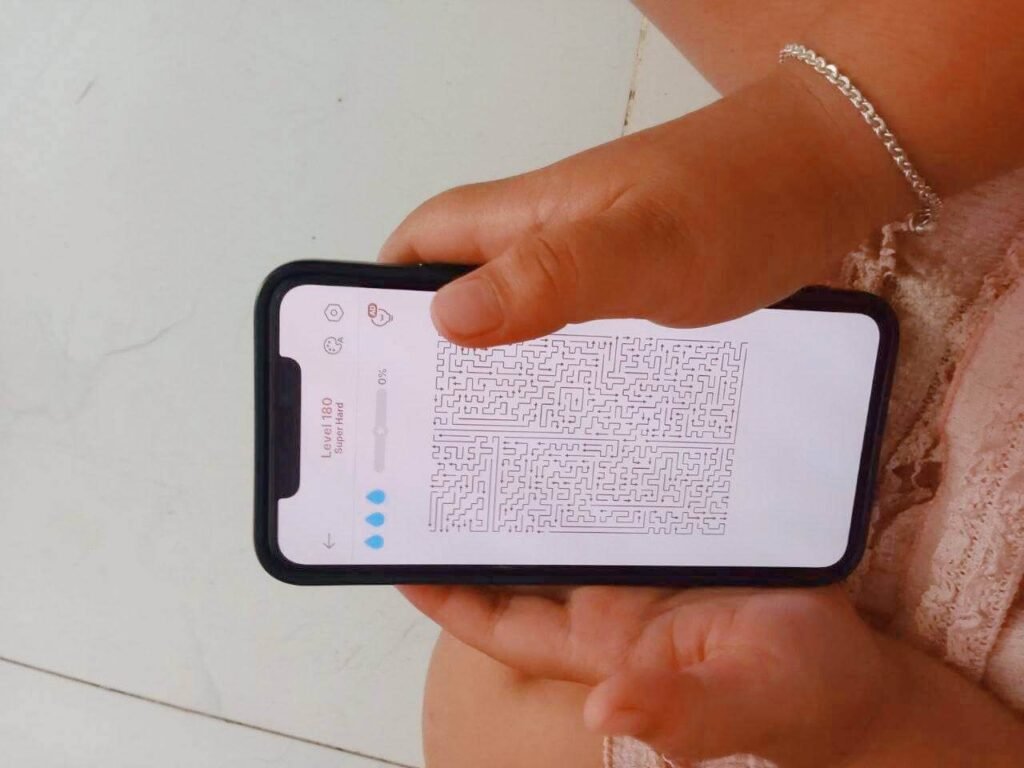
After trying several times, she blurted out, “I can’t find it. I don’t know how to do this. I am so stupid.”
Her dad put the phone down and asked her quietly, “Would you ever say those words to your absolute best friend? If you would not say it to them, then you should not say it to yourself either.”
She went quiet.
That question is one of the gentlest and most effective ways to help children stop negative self-talk that I have ever seen.
Instead of replacing a harsh thought with a forced positive one, it asks the child to apply the same kindness they already know how to give to others.
When to say it: Any time you hear your child say something unkind about themselves.
8. “Your Voice and Your Choices Matter”
One afternoon, while she was playing pretend teacher with her brother, I noticed she was wearing her yellow sports outfit instead of the dress I had suggested.
When I asked why she was not dressed like a teacher, she looked right at me and said, “I want to wear my yellow sports clothes because they make me feel powerful and strong.”
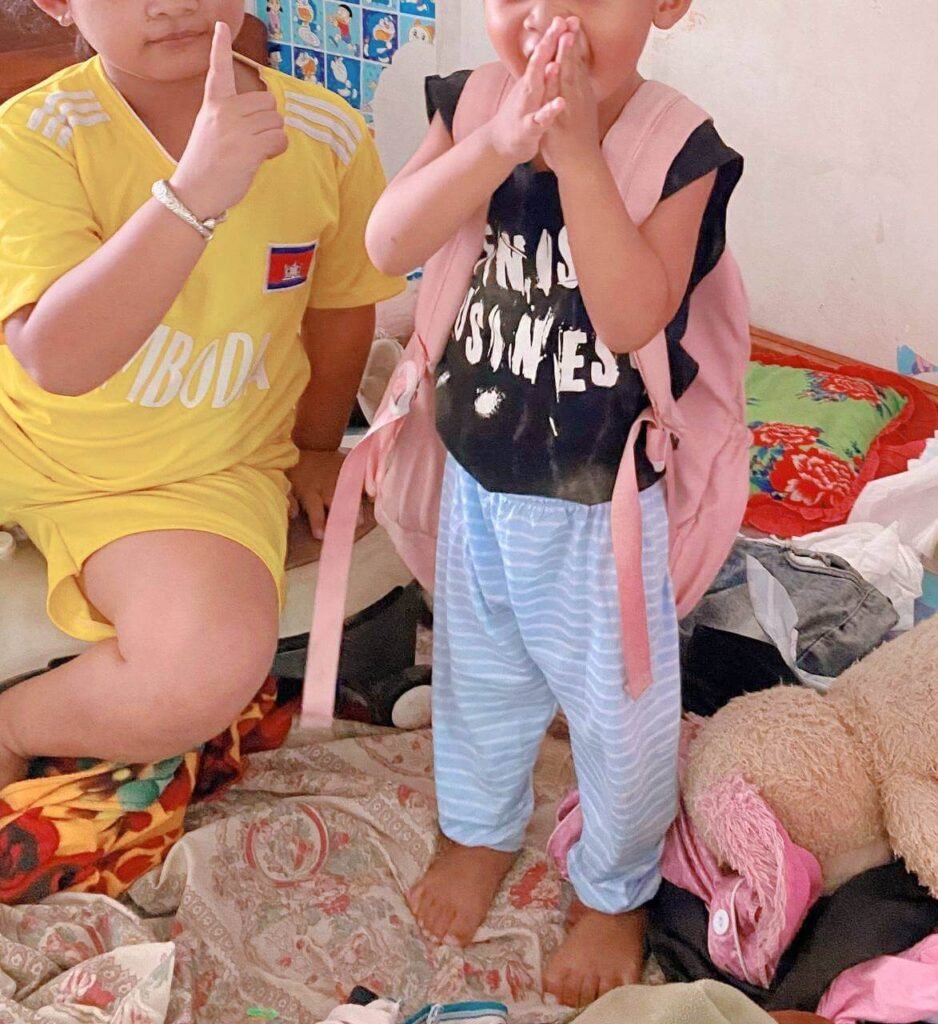
I told her, “Your voice and your choices matter.”
That moment was small, but I said it because I wanted her to grow up knowing that her preferences count, especially when they come from a real feeling and are expressed with confidence.
When to say it: When your child confidently states a preference or reasonably declines something they are uncomfortable with.
9. “Our Family Is Happier Just Because You Are in It”
Every night, our bedtime routine ends the same way.
After she reads one or two pages of a book, right before she falls asleep, I softly tell her, “Our family is happier just because you are in it.”
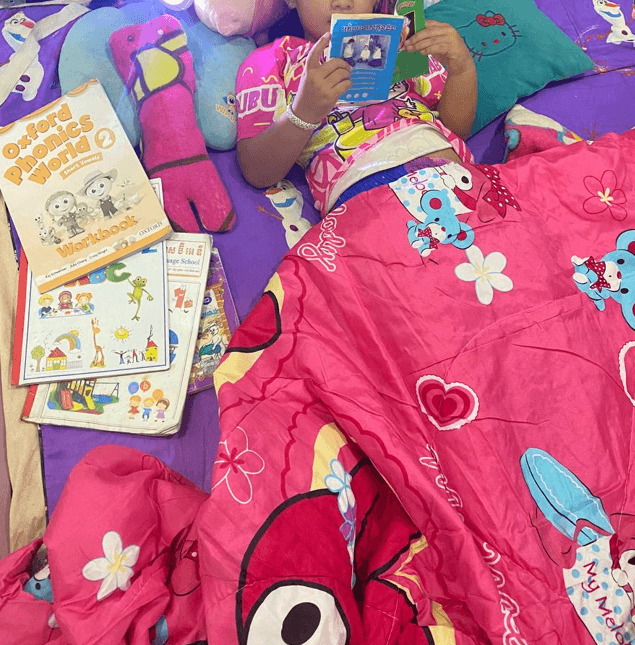
This phrase has nothing to do with grades, behavior, or what she accomplished that day. It is purely about her presence and her worth as a person in our home.
Children need this kind of affirmation for self-esteem that carries no conditions.
Not “I am proud of your report card” and not “you were so well-behaved today,” but simply: you matter because you are you.
When to say it: As part of a regular bedtime routine, completely detached from how the day went.
10. “You Can Always Try Again Tomorrow”
When she first started learning to type, she could not press the keys fast enough and kept making errors.
She would get frustrated and want to give up entirely. Her dad always reminded her, “You can always start over and try again tomorrow.”
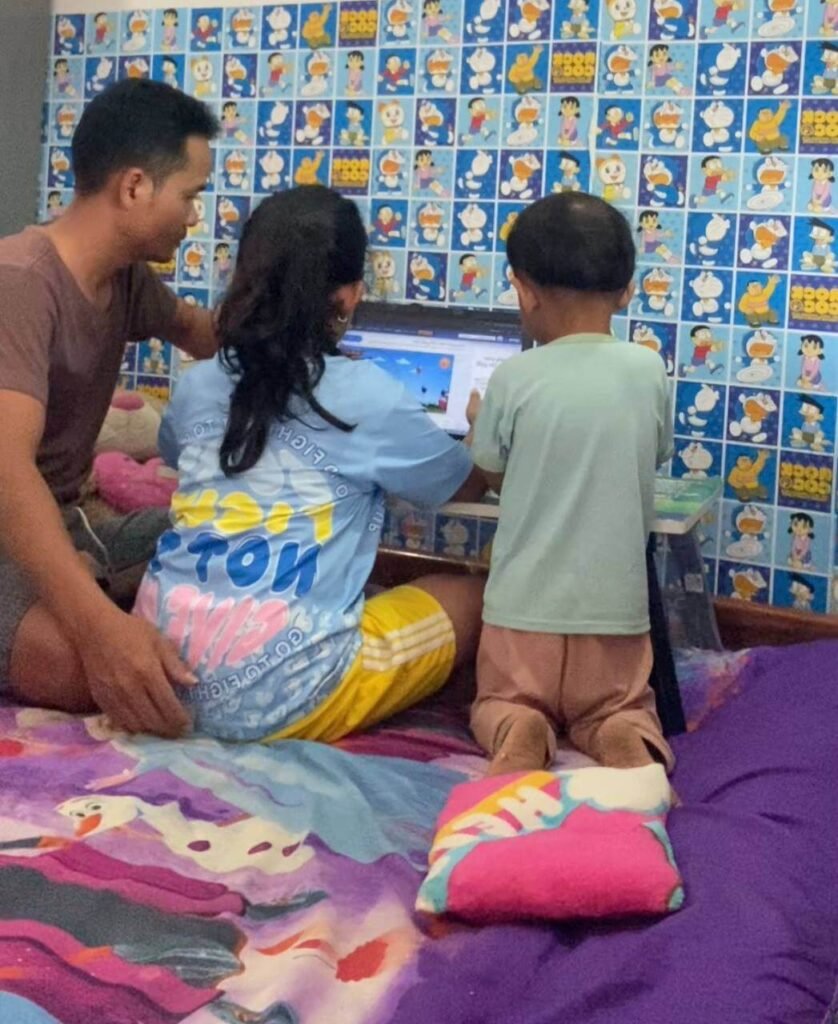
This is one of the most valuable growth mindset phrases for kids because it does not dismiss a hard day. It honors it.
It says: today was difficult, and that is allowed. Tomorrow is a fresh start.
When to say it: At the end of a rough day, especially when your child is exhausted and has been very hard on themselves.
11. “I Am Proud of Myself, Even If I Am Different From Others”
At this age, children start noticing that their friends all seem to like the same things, carry the same backpacks, and talk about the same shows.
The pull to fit in is real and constant.
When your daughter says things like, “All my friends have the exact same pencil case” or “Everyone else loves that game, and I don’t,” that is the moment for this phrase.
It helps her keep her own identity without feeling like being different is a problem to solve.
When to say it: When you notice your child starting to erase something uniquely hers in order to fit in.
12. “You Are Enough Just As You Are”
Some children believe their value depends on their performance.
A low score on a test, a missed goal in a game, a moment of struggling in class, and suddenly they feel like they are not good enough as a person.
This phrase gently separates those two things. It tells your daughter that her worth does not come from what she achieves.
It was already there before she picked up the pencil.
When to say it: When your child feels genuinely disappointed in their own performance, especially after they gave real effort.
13. “You Can Choose to Look for the Good”
This phrase is not about pretending everything is fine. It is about giving children a way out of a spiral of small complaints.
When your daughter comes home upset about something minor at school, try: “I know that was not fun. What is one good thing that happened today?”
It helps her practice choosing where to put her attention, without dismissing what was hard.
When to say it: When your child is stuck complaining about small things that are unlikely to change.
How to Make These Phrases Part of Daily Life
These three habits have made the biggest difference in how naturally these phrases land in our home.
Do not apply pressure. Never force your child to repeat affirmations on command.
Just be the one to say them at the right moment.
Over time, you will hear your daughter using the same words with herself, and eventually with her younger siblings.
Set up an Affirmation Mirror. Write her two or three favorite phrases on sticky notes and put them on the bathroom mirror or her study desk.
Let her choose which ones she wants each week.
This is one of the simplest morning affirmations for kids before school. You can set it up in five minutes, and it works.
Parents go first. Children learn far more from watching us than from hearing us. The next time you make a mistake in front of her, say out loud, “Oops. Mom made a mistake.
That is okay, my brain is learning something new.” When she hears those encouraging words from you, she will believe them for herself.
These encouraging words for kids do not need to be part of a formal routine. They are most powerful when they feel like a natural part of how your family speaks.
Bringing It All Together
Positive affirmations for kids are not a magic fix. They are a language.
And like all languages, they need to be heard many times before they become part of how a child speaks to themselves.
The 13 phrases in this article did not come from a textbook.
They came from real mornings before school, real arguments over toy baskets, real moments at the whiteboard, and real times when our daughter said something unkind about herself and needed someone to show her a different way to talk to herself.
If you can take just one phrase from this list and say it at the right moment this week, you have already started building something.
That is how you build confidence in children: one small phrase at a time, repeated with warmth, until your daughter starts saying it back to herself without being asked.
Start today. Find the moment. Say it.
A Quick Guide for Parents Just Starting Out
What are positive affirmations for kids?
Positive affirmations for kids are short, specific statements that children hear or say regularly to build a kinder inner voice and more confident self-image. They work best when they are connected to real moments rather than recited mechanically.
At what age can I start using affirmations with my child?
You can start saying affirming things to very young children. The phrases in this article are especially well-suited for ages 5 to 10, including daily affirmations for 8-year-olds. The language is simple, and the situations these phrases address come up naturally at this stage.
What if my child rolls their eyes or refuses to repeat the phrases?
That is completely normal, especially for older children. Do not push them. Say the phrase clearly and move on. The words land, whether they show it or not. Over time, you will hear them using the same language with themselves.
How is this different from just giving compliments?
Compliments tend to focus on outcomes: “You did so well!” Affirmations focus on identity, process, and character: “You are brave enough to ask for help” or “Your mistakes help your brain grow.” The goal is to give children a vocabulary for how they think about themselves, not just feedback on what they have done.
Can these phrases help with child anxiety before school?
Many parents find that short, repeatable phrases help children manage anxious feelings, especially before the school day starts. Affirmations for kids with anxiety work best when you introduce the phrases during calm moments first, so your child already knows the words when a harder moment arrives. If your child has significant or persistent anxiety, speaking with their school is always a worthwhile step alongside anything you do at home.
What are the best encouraging phrases for kids to build confidence?
The most effective confidence-building phrases for girls and boys tend to be specific, grounded in a real situation, and focused on effort or character rather than outcome. The ones that have worked most consistently in our family are “I can do hard things,” “My mistakes help my brain grow,” and “You are brave enough to ask for help.”
How do I stop my child from talking badly about themselves?
One of the simplest and most effective approaches to stopping negative self-talk in children is the question: “Would you say that to your best friend?” If they would not say it to someone they love, they should not say it to themselves. Consistent and gentle redirection over time builds a new habit.
Do I need to say all 13 phrases every day?
No. Start with one or two that fit situations you already see happening regularly. As those phrases become natural in your home, add others. Consistency with a few phrases will always outperform trying to remember a long list.
