

Last Sunday, my daughter finally had a free day from school.
She looked up at me with that restless energy every parent knows and said, “Mom, I want to go somewhere!”
I had no plan. Nothing prepared, nothing booked. But I did not want to let her down, so I said, “Wait right there.
We are going to pick fruit in the fields.”
In reality, I was about to take her on her first microadventure without either of us knowing it.
That afternoon turned into one of our best memories together.
No expensive gear.
No long drive. Just the two of us, a dirt path, and enough curiosity to fill the whole afternoon.
That experience is what this article is really about.
Key Takeaways
- A weekend microadventure trip does not require money, planning, or perfect weather.
- Kids build real confidence, curiosity, and focus through short outdoor experiences.
- All 30 ideas in this article have been tested by a real family in Cambodia.
- Most activities cost $0 and take only a morning or afternoon.
- The best family adventures are the ones that actually happen, not the ones you plan perfectly.
What Is a Microadventure?
A microadventure is a short, low-cost outing that delivers surprisingly big rewards.
You do not need a national park, a plane ticket, or a perfectly packed bag.
All you need is a free Saturday morning, a willingness to step away from screens, and a child who is ready to ask questions.
These small trips build resilience and confidence in kids.
They create shared family memories that stick, like the chill of wading through a stream or watching a sunrise paint the sky orange.
And most of them cost absolutely nothing.
Our 10 Favorite Tried-and-Tested Microadventures
These are the adventures my daughter and I keep returning to.
Each one started with no plan and became something she still talks about.
1. The Sunrise Trek
There is something genuinely different about being outside before the rest of the world wakes up.
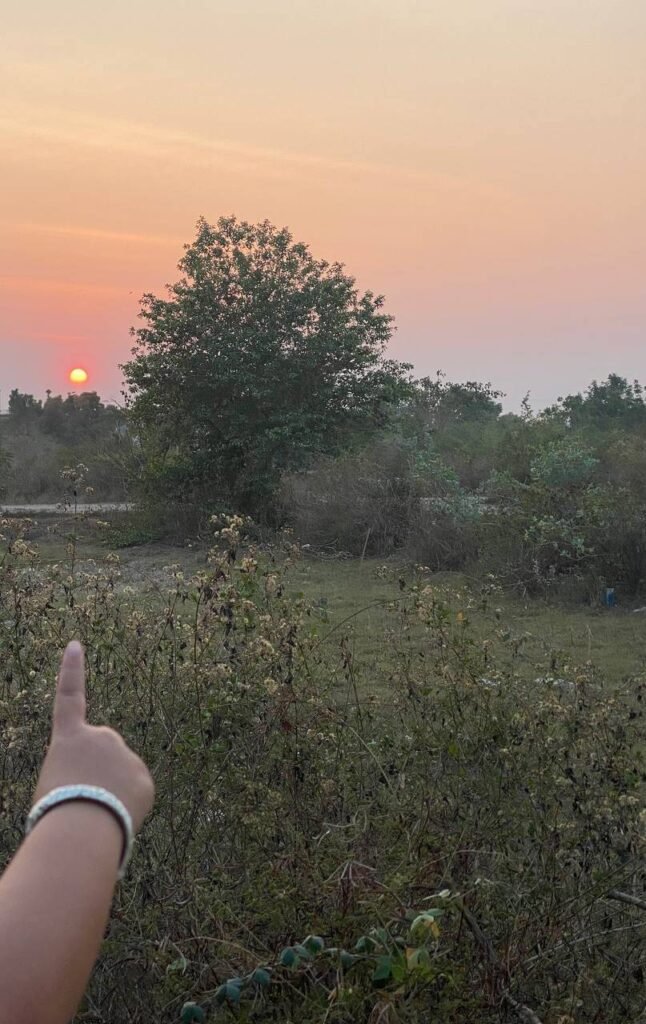
My 8-year-old tracked the sunrise time herself the night before, watching the sky the next morning as if she were reading a map.
She asked, “Mom, why does the sun look smaller as it goes up?” One question like that tells you the whole outing was worth it.
Good for: Early risers, curious kids, ages 5 and up.
2. Backyard Bug Safari
Grab a mat and a couple of nature books, sit in your yard, and just wait.
My daughter spotted a tiny insect within minutes.
She shouted, “Mom! A is for Ant!” and pointed to the exact illustration in her schoolbook.
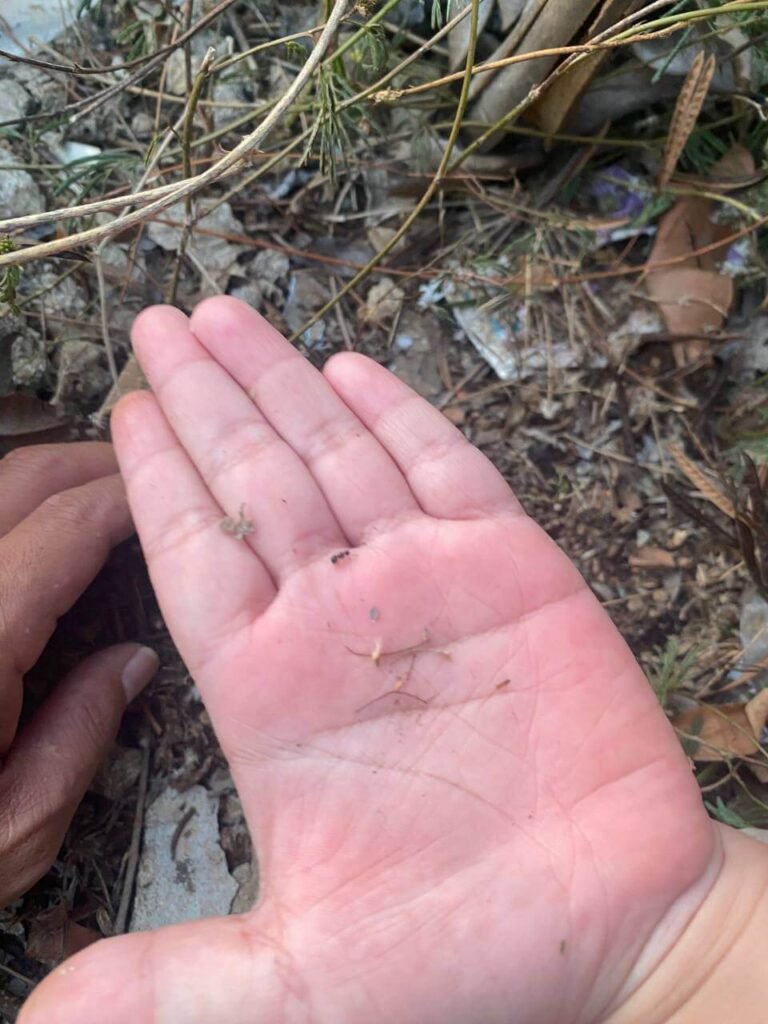
Watching her connect what she read to what she saw in real life was one of those parenting moments I did not expect.
Good for: Young children, apartment gardens, zero budget.
3. Foraging for Wild Fruit
My daughter wants to pick every fruit she sees on a tree.
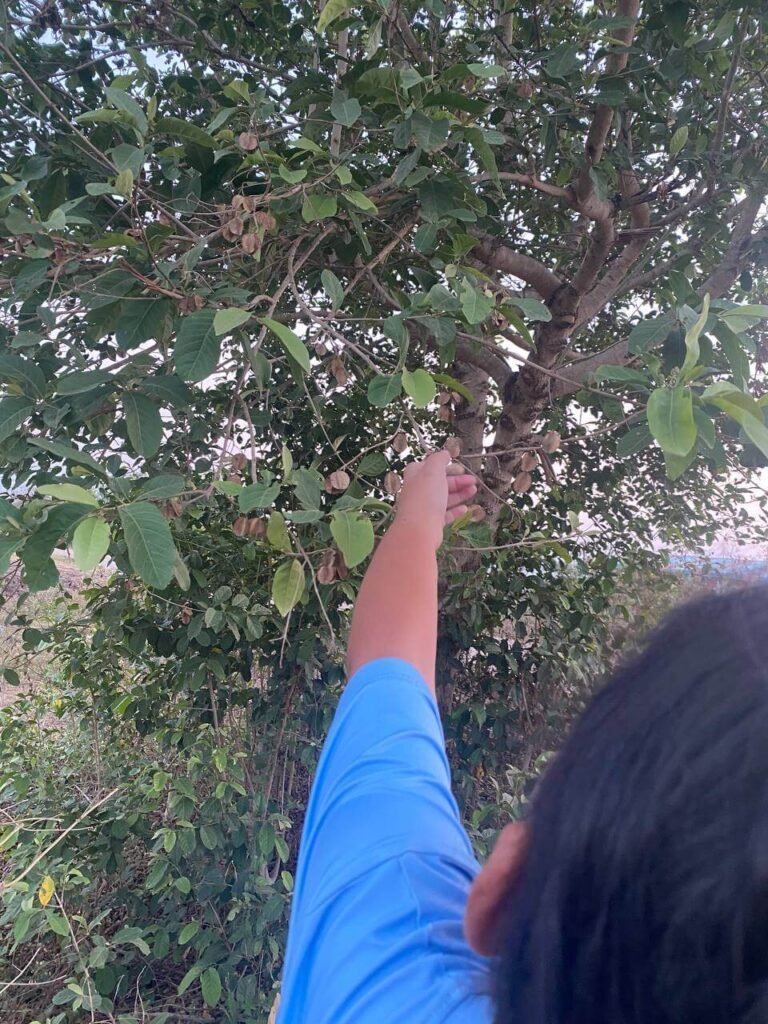
I turned that impulse into a lesson in patience and safety.
My one rule: you must identify the fruit 100 percent before you eat it.
Full stop.
This single rule has taught her more about careful observation than most structured activities.
Good for: Kids who love food, ages 6 and up, rural or semi-rural areas.
4. Tree Climbing Skills
Near our rice fields, there are trees of all different sizes.
I watched my daughter study a small tree carefully before she climbed, testing branches and finding where to place her feet.
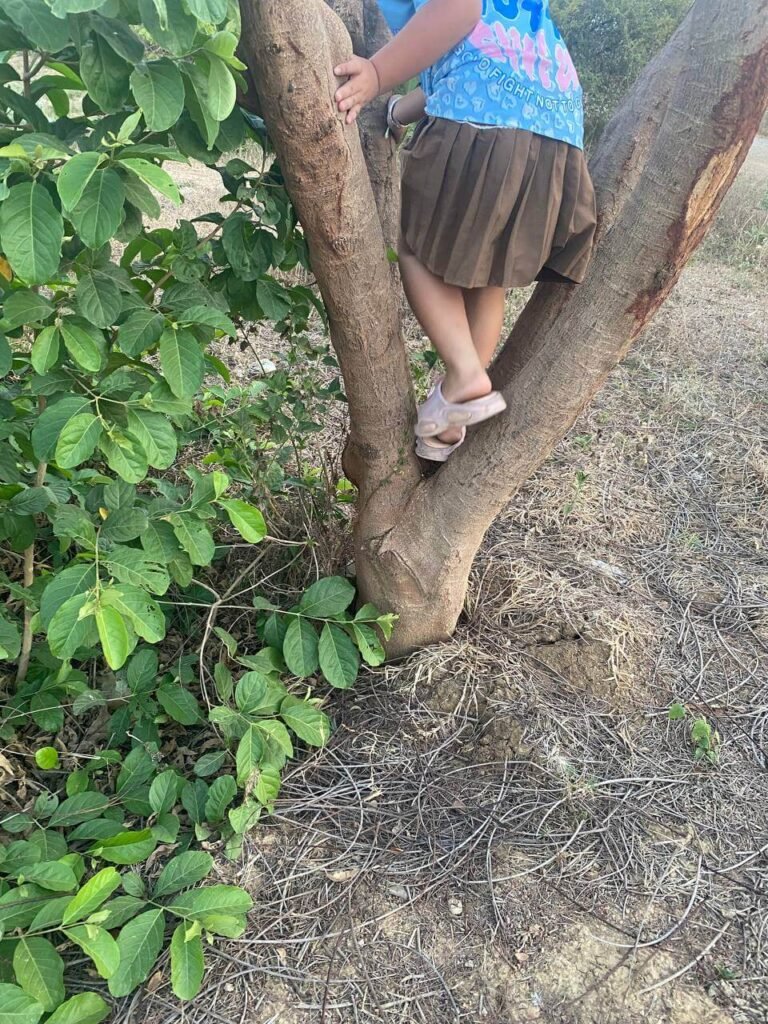
She was doing a real risk assessment.
Tree climbing is one of the best free outdoor activities for kids because it builds physical confidence and teaches them to slow down and think before moving.
Good for: Active kids, ages 5 and up, needs adult supervision.
5. Village Map Discovery
I drew a simple hand-drawn map of the paths around our rice fields and marked “secret locations” for her to find.
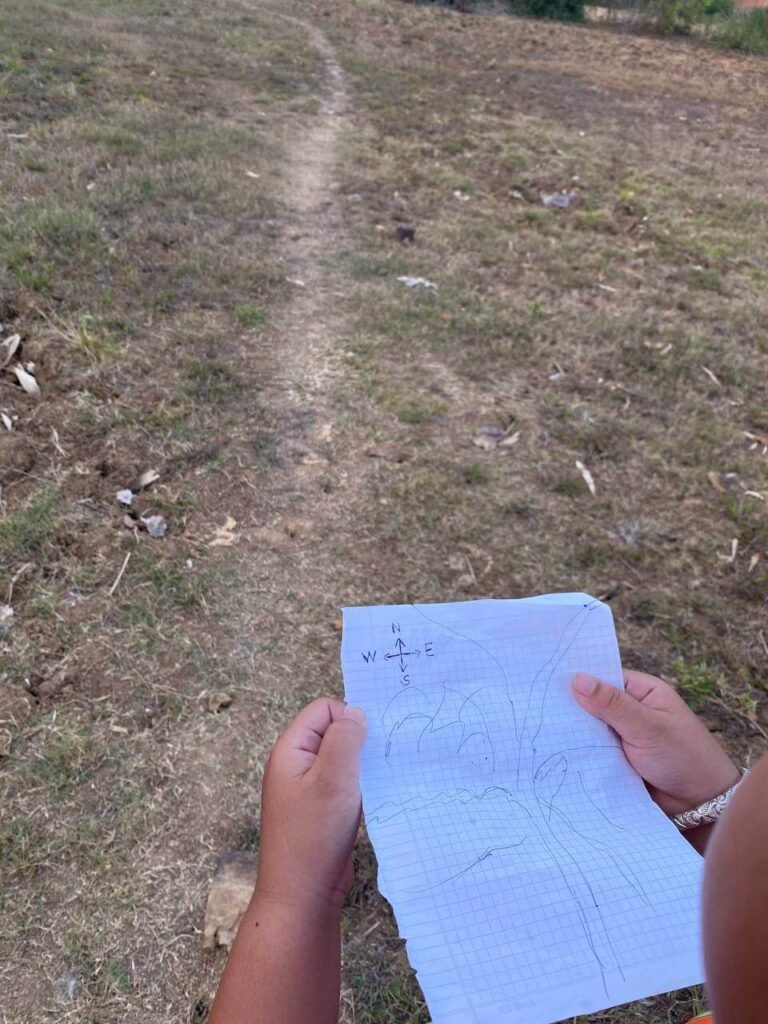
She treated it like a real mission.
It is geography disguised as a treasure hunt, and it costs nothing but a piece of paper and a pen.
Good for: All ages, urban or rural areas, kids who love games.
6. The “Old Path” History Walk
We love finding abandoned trails and asking, “Who walked here before us, and where were they going?”
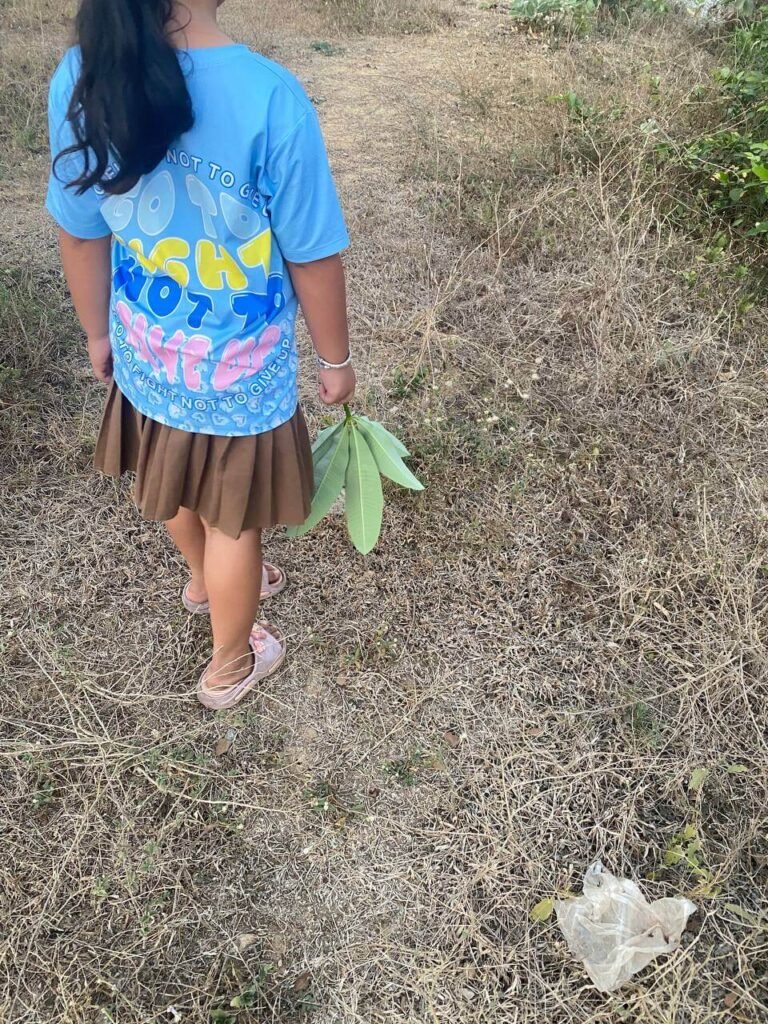
A quiet walk becomes a living history mystery.
My daughter comes up with the most creative answers.
Good for: Imaginative kids, older children who enjoy storytelling, ages 6 and up.
7. Wild Swimming
I took my daughter to Sopheak Mungkul Park, which has a man-made stream that looks and feels completely natural but stays knee-deep throughout.
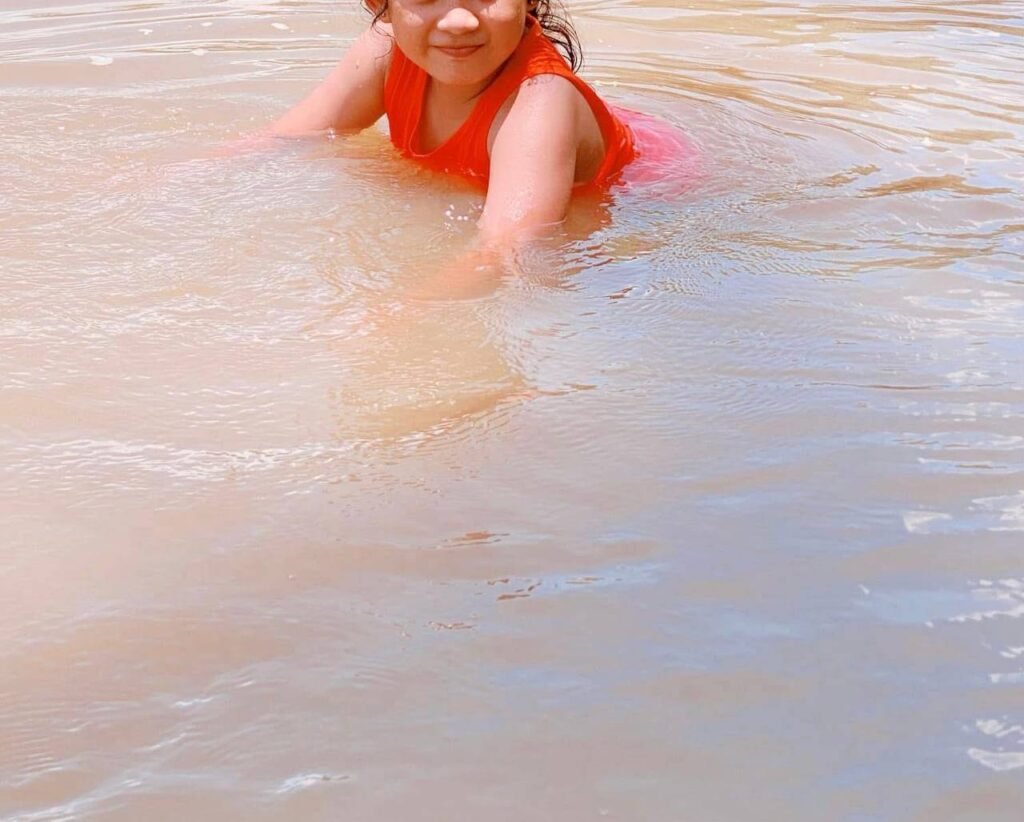
It was a safe place for her to feel the real freedom of moving water.
When kids are bored on a Saturday, water is almost always the answer.
Good for: All ages, hot climates, needs adult supervision near water.
8. Moon Gazing
This one requires a little preparation because the moon rises at different times each night.
My daughter once asked, “Why is the moon only a half-circle today, but the sun is always a full circle?”

That question turned into a 20-minute conversation about space that I had not planned at all.
Those are the conversations that stay with both of you.
Good for: Curious kids, ages 5 and up, best during a clear night.
9. Mud Stacking
She carefully stacks clumps of damp earth into towers.
If she goes too fast, the whole thing collapses.
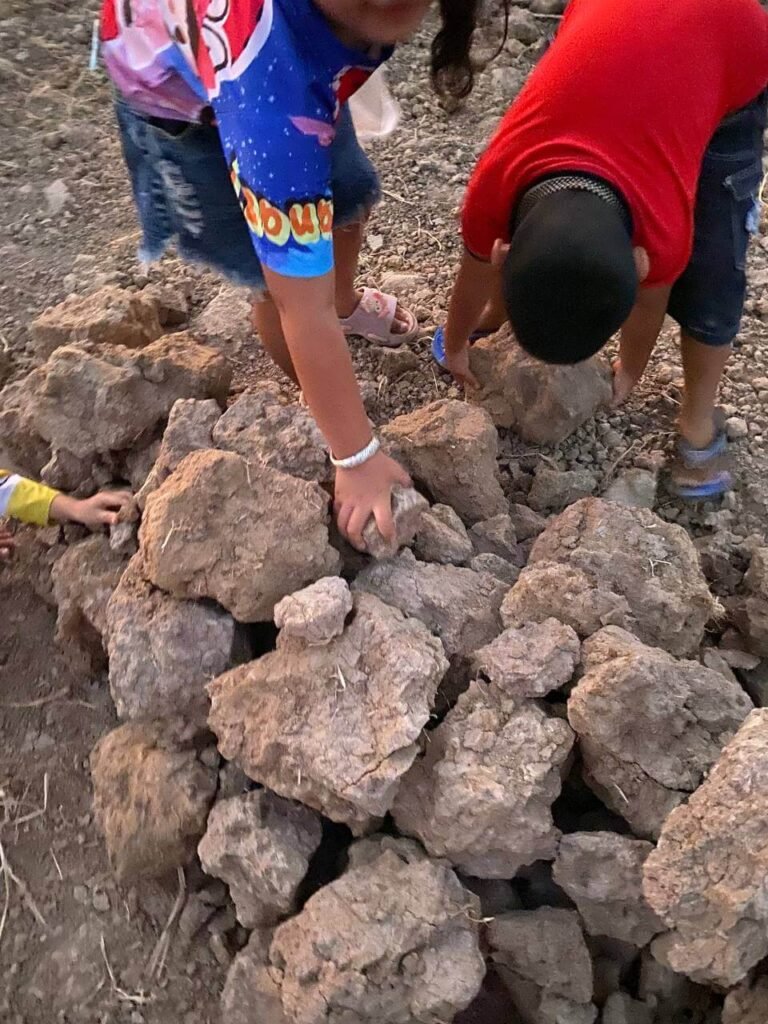
This simple activity teaches patience and focus in a way that no worksheet or app can replicate.
Good for: Young children, post-rain days, zero budget.
10. Train Track Sunsets
We stood near the railway tracks one evening to watch the sun go down.
My daughter noticed something I had never thought about: “Mom, the sunrise and sunset are the same color, but noon looks completely different.”
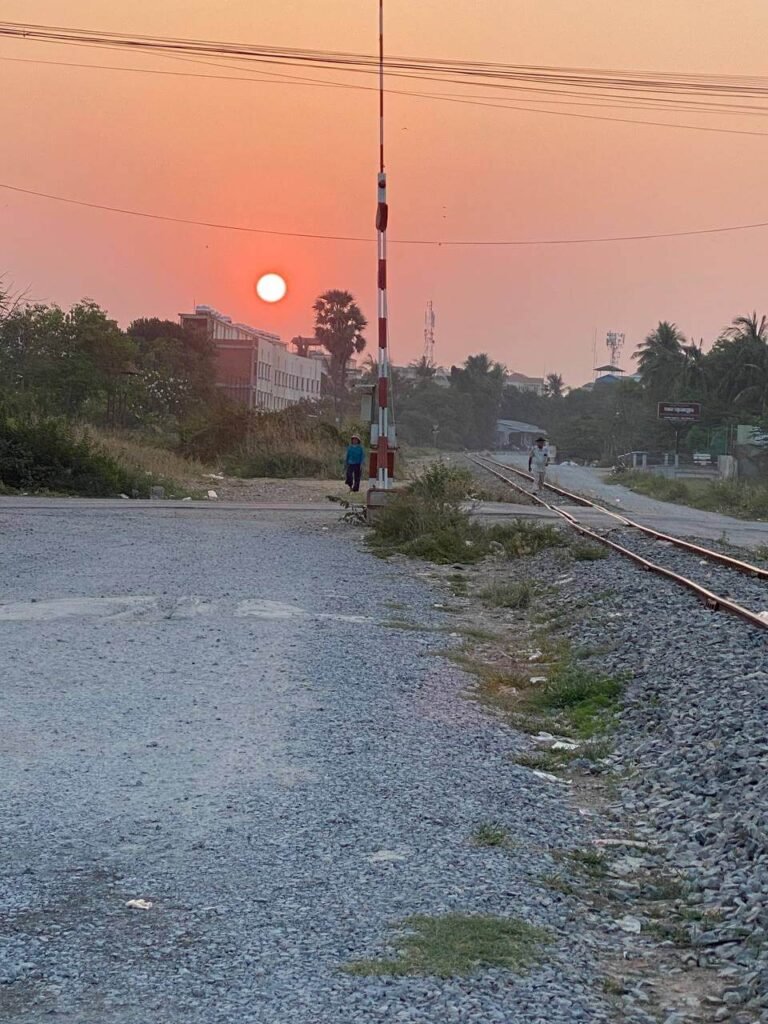
That is the kind of quiet observation that only happens when kids have unstructured time outside.
These are the types of core memories that don’t come from screens.
Good for: All ages, urban areas with railway access, late afternoon.
20 More Free Weekend Activities for Kids
Pull these out the next time you hear “I’m bored.”
Every single one has been tested, and every single one works.
11. Backyard Campout
Pack a flashlight and a sleeping bag and camp in your own yard, even if you are only 10 meters from your kitchen.
The distance does not matter.
The feeling of sleeping under stars does.
12. The Waterfall Hunt
Give your child a rough map and let them be the navigator.
Their job is to lead you to the nearest waterfall, stream, or water feature.
No corrections allowed from adults unless safety is at risk.
13. The “End of the Line” Bus Ride
Hop on a public bus, ride to the very last stop, and explore wherever you land.
This is one of the best, most affordable ways to spend a weekend in any city.
You never know what neighborhood you will discover.
14. Market Mission
Give your child a small amount of money and a short shopping list.
Their job is to talk to the vendors and buy the ingredients for dinner without your help.
My daughter gets 5,000 Riels (about $1.25) and handles the full transaction herself.
15. Cemetery Museum Walk
Old graveyards are outdoor history museums with no entrance fee.
Read the names and dates together.
Talk about how people lived and what the world looked like back then.
Kids find this far more interesting than most adults expect.
16. City High-Point Climb
Find a rooftop terrace, a nearby hill, or a tall set of stairs that gives you a bird’s-eye view of your neighborhood.
My daughter calls this “seeing the whole map.”
17. Nature Art Contest
Sit together and draw the same tree or flower.
Compare your drawings afterward and talk about how you each see colors and shapes differently.
There are no wrong answers and no scores.
18. Nature Sculptures
Use only what you find on the ground: fallen leaves, rocks, sticks, and seed pods.
Build a temporary sculpture, take a photo, and let it return to nature.
19. Photo Storytelling
Hand your child an old phone or a basic camera and give them a theme: “Shadows,” “Things That Are Round,” or “Colors You Do Not Expect.”
Let them show you how they see the world.
20. Campfire Cooking
Letting an 8-year-old help manage a small supervised fire teaches patience, focus, and real pride when the meal is ready.
Start simple: toasted bread or a boiled egg.
21. Field Journaling
Give your child a blank notebook and let them draw what they see outside: weather, birds, plants, bugs.
One important rule: never correct their spelling here. This notebook is their private world, not a school assignment.
22. Rock Pool Exploration
If you are near the coast, bring a small net and explore the tide pools.
Every visit turns up something different, and it never gets old.
23. Raft Building
Collect sticks and tie them together with a string.
Test whether your raft floats.
This is a first lesson in engineering that costs nothing and teaches more about trial and error than any classroom project.
24. Find the Source
Follow a stream upstream until you find where the water starts.
Simple, completely free, and genuinely fascinating for kids who like to ask “why.”
25. Stargazing Picnic
In Cambodia, you can see the Milky Way clearly from open fields on a dark night.
Lay out a mat, turn off your phone, and just look up.
No telescope needed.
26. Flashlight Walk
Take a path your family knows well, then walk it at night with only a flashlight.
Everything familiar looks completely different in the dark.
You might even spot fireflies.
27. The “Lost City” Quest
When visiting temples or historic sites, give your child a quest list: find a specific carving, count the stone steps, or sketch a hidden corner.
It transforms a regular tour into an actual adventure.
28. Dusk Boat Ride
Watch how the river environment shifts as the air cools and the light changes.
This is a slower, quieter activity that even restless kids seem to settle into.
29. Tuk-Tuk Scavenger Hunt
While riding, hand your child a list of things to spot out the window: a yellow door, someone carrying fruit, a sleeping dog, a child on a bicycle.
The list can be anything.
30. Wildlife Hero Day
Visit a local animal rescue center or wildlife sanctuary.
Learning how professionals care for injured animals makes a lasting impression on kids of any age.
The Real Secret to a Successful Weekend Microadventure
Lower your expectations.
That is the whole secret.
If you get caught in the rain, that is not a ruined outing.
That is a better story.
If the raft sinks in five seconds, your child just learned something true about water and weight.
If you get lost on the old path, you get to find your way home together.
The goal is not a perfect trip.
The goal is a real one.
Outdoor activities don’t need to be impressive to matter.
They just need to happen.
The families who build the strongest bonds through outdoor time are not the ones with the best gear or the best plan.
They are the ones who go outside anyway and see what the day brings.
One Last Thing Before You Go
A microadventure is not about doing something extraordinary.
It is about showing your child that the ordinary world is already full of things worth noticing.
Every idea in this article came from a regular weekend in Cambodia, with no budget and no master plan.
We have gotten rained on.
We have gotten lost.
We had to identify the fruit three times before we trusted it.
And my daughter still talks about all of it.
Your next weekend microadventure does not have to look like anyone else’s.
Pick one idea.
Walk out the door.
See what your child notices.
That is enough.
Frequently Asked Questions
At what age are microadventures best suited for?
Any age works with the right activity. My daughter started with backyard bug safaris at age 5 and was tracking sunrise times by age 8. Toddlers love mud, water, and picking up rocks. Older kids and teens respond well to navigation challenges, raft building, and independent tasks like the Market Mission.
Do I need experience to take my kids on a microadventure?
Pick one idea from this list, grab what you already have at home, and walk out the door. Seriously, that is it. The less you plan, the more your child takes the lead, and that is usually when the best moments happen. Follow their questions and let those guide where you go.
Are these activities safe for young children?
Yes, with sensible adult supervision. Tree climbing, campfire cooking, and wild swimming all require a parent nearby and a couple of clear safety rules explained beforehand. The key is being present without hovering. Kids need room to take small, manageable risks in order to build real confidence.
What if my child is not interested in going outside?
Start with the activity that connects to something they already love. A child who likes to draw might respond immediately to the Nature Art Contest or Photo Storytelling. A child who loves games will probably enjoy the Village Map Discovery or the Tuk-Tuk Scavenger Hunt. The right entry point makes all the difference.
Do microadventures actually help kids develop real skills?
Yes. Unstructured outdoor time is connected to stronger problem-solving, better focus, increased physical confidence, and more creative thinking. The skills your child builds on a free Saturday outside show up in the classroom, in friendships, and in how they handle challenges.
Can these ideas work for families in a city?
Absolutely. The Market Mission, City High-Point Climb, End of the Line Bus Ride, and Tuk-Tuk Scavenger Hunt were all designed with urban families in mind. A city is packed with things to notice and explore when you slow down and actually look.
How often should we go on microadventures?
Once a week is ideal if you can manage it, but even once or twice a month builds a meaningful habit. Consistency matters more than frequency. A short outing every other weekend does more for a child’s development than one elaborate trip per year.
Disclaimer: The content on Sprout Upward is designed to encourage intentional family leadership. I am a mom of two and a former youth worker sharing my real-life experiences, not a licensed therapist or medical professional. These guides adapt my professional team management background to daily home life. Please consult your pediatrician for any clinical, medical, or psychological advice regarding your child.
