

Disclaimer: The content on Sprout Upward is designed to encourage intentional family leadership. I am a mom of two and a former youth worker sharing my real-life experiences, not a licensed therapist or medical professional. These guides adapt my professional team management background to daily home life. Please consult your pediatrician for any clinical, medical, or psychological advice regarding your child.
Encouraging your child to try new things is less about finding the perfect words and more about creating the right conditions.
But when you are standing next to a child who is pulling away from something new, knowing exactly what to do is not always obvious.
I know this firsthand.
For a long time, I was getting it wrong with my 8-year-old daughter.
When she spilled milk, I would snap at her for being careless. I simply wanted perfection and moved way too fast.
Over time, through real trial and error, I learned that helping a hesitant child is really about lowering the stakes, making things playful, and praising effort rather than results.
The 9 strategies below are not just theory.
They are the exact methods I use with my own kids, complete with the messy, real-life moments where we figured them out.
Key Takeaways
- Action Drives Confidence: Children hold back from new experiences out of fear of failure, not a lack of ability. Stacking up tiny, micro-wins is the fastest way to break the freeze.
- Praise the Process: Shifting your words from praising results to celebrating effort teaches children that the act of trying is where the real victory lies.
- Mistakes as Data, Not Disappointment: A truly safe home environment normalizes accidents (like spilled milk or dropped plates) as necessary steps in learning, completely removing the element of shame.
- Lower the Stakes with Play: Disguising an intimidating new task—whether it is a school subject or a physical activity—as a low-pressure game removes the psychological barrier to entry.
9 Simple Strategies to Encourage Your Child to Try New Things
1. Shrink the Task (The Dishwashing Strategy)
New experiences feel overwhelming when a task looks big or complicated from the outside.
The most effective way to step out of a comfort zone is to shrink the task down until the very first step feels completely achievable.
I learned this from a mistake.
I asked my daughter to wash the regular family dishes.
She struggled, dropped a plate, felt embarrassed, and the whole thing ended badly.
So, we reset.
I gave her only the lightest, most manageable items: her own plastic, animal-shaped plates and spoons.
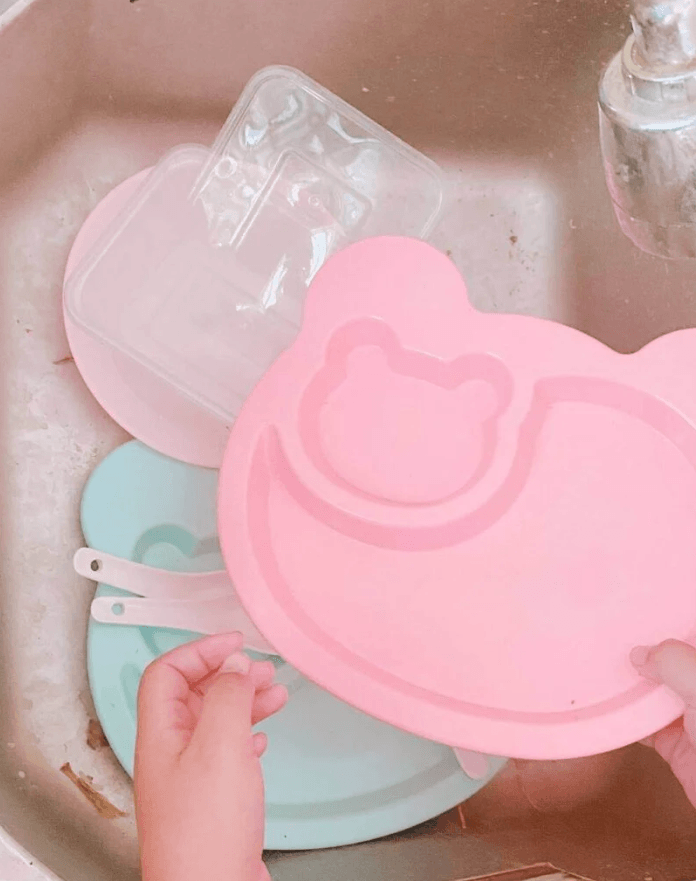
She handled them without any trouble at all.
That small success changed how she felt about helping in the kitchen.
Starting small creates an early win, and that win is the foundation for every bigger challenge.
2. Celebrate the Effort, Not Just the Art
Praising effort rather than results is a powerful shift.
When children know you are paying attention to their hard work—not just whether it looks perfect—they feel safe trying again.
Just before homework time recently, my daughter organized her whiteboard and drew a picture of our family.
I could have just said, “That is a beautiful drawing!” Instead, I said, “I can see how much time and effort you put into this.
You are such a hard worker.”
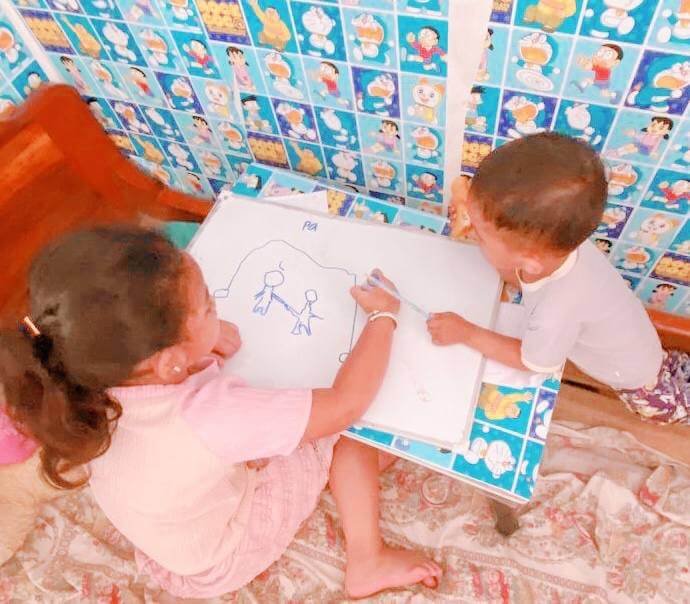
Her face lit up right away.
She was praised for the part she actually controlled.
Celebrating these small, messy wins builds reliable self-esteem.
3. Model the Courage First
Children pay far more attention to what we do than what we tell them to do.
My daughter was hesitant around water.
Instead of telling her she needed to jump in, we went to a local river, and her dad showed her.

Slowly, she moved closer to the edge of the wooden dock at her own pace.
She stepped in that day, not because anyone pushed her, but because seeing it done made it look possible and safe.
4. Remove the Fear of the Mess
Your child must know that mistakes will not lead to shame.
Children are far more willing to try something unfamiliar when the environment feels completely judgment-free.
One morning, my daughter was having a sandwich and accidentally spilled milk all over her hands, her plate, and the table.
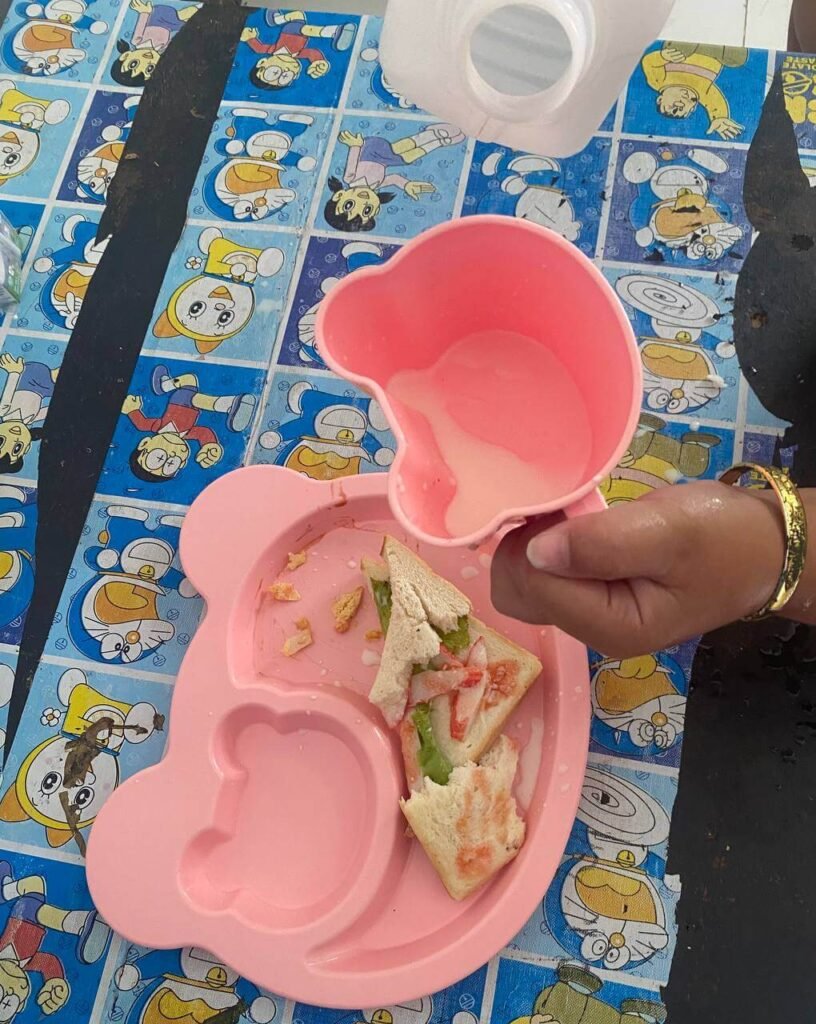
Instead of reacting with frustration, I just said, “It’s okay. It’s just a spill. Learning to pour takes practice. Let’s grab a cloth and try again.”
No scolding. Just a calm reset.
She smiled and tried again without hesitation.
If children do not feel safe making a mess, no amount of encouragement will work.
5. Disguise Learning as Play
Learning is far less intimidating when it feels like a game.
When my daughter started second grade, she dreaded math lessons on geometry and shapes.
She would shut down.
So, I brought the math into the kitchen.
I placed a green cylindrical water bottle, a white circular bowl, and a rectangular basket on the table alongside her textbook.
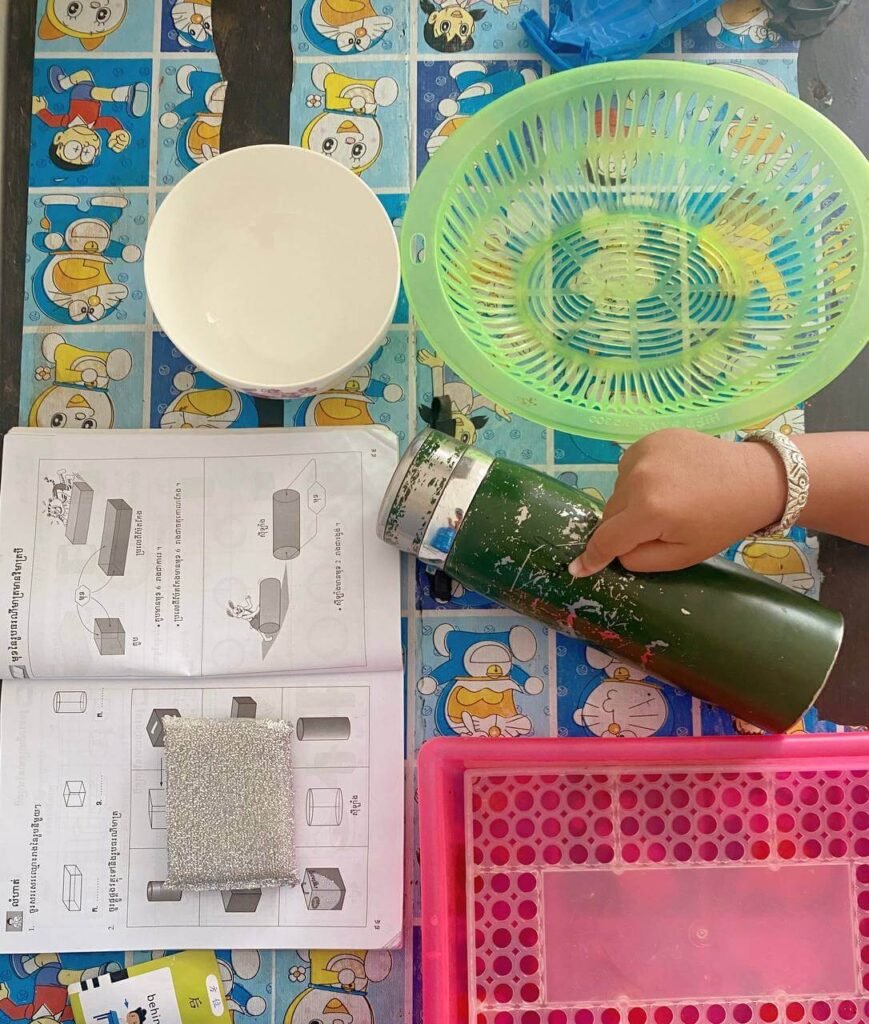
She started picking them up and turning them around.
Before long, she was exploring geometry and shapes in 3D without even realizing she was doing math.
6. Give Them the Wheel (Controlled Choices)
Forcing a child into a new activity often backfires.
Offering two or three options gives them just enough control to feel confident saying “yes.”
I wanted my daughter to try a new sport, so I asked, “Would you like to try cycling or basketball?”
She chose basketball.
Since we didn’t have a hoop, we made one.
We rolled up pairs of socks into balls, set up three small plastic stools, and used everyday baskets as our hoops.
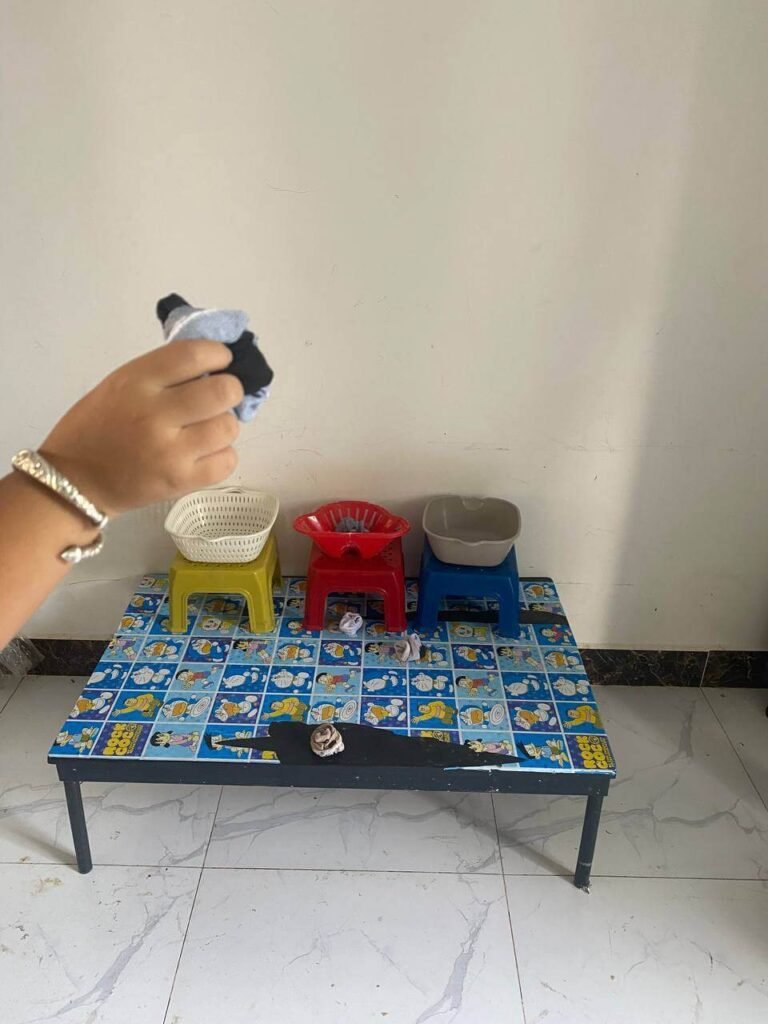
Giving her the choice made her an active participant rather than a reluctant one.
7. Spark Natural Curiosity
Asking, “What do you think will happen if we try this?” can do more to open a child up than any amount of convincing.
One afternoon, we sat outside on a mat with some school books.
I brought out some fresh vegetables—eggplant, wax gourd, long beans, and small tomatoes—and simply laid them out.
I asked her, “If we went to the market tomorrow, which of these would you want to buy first?”
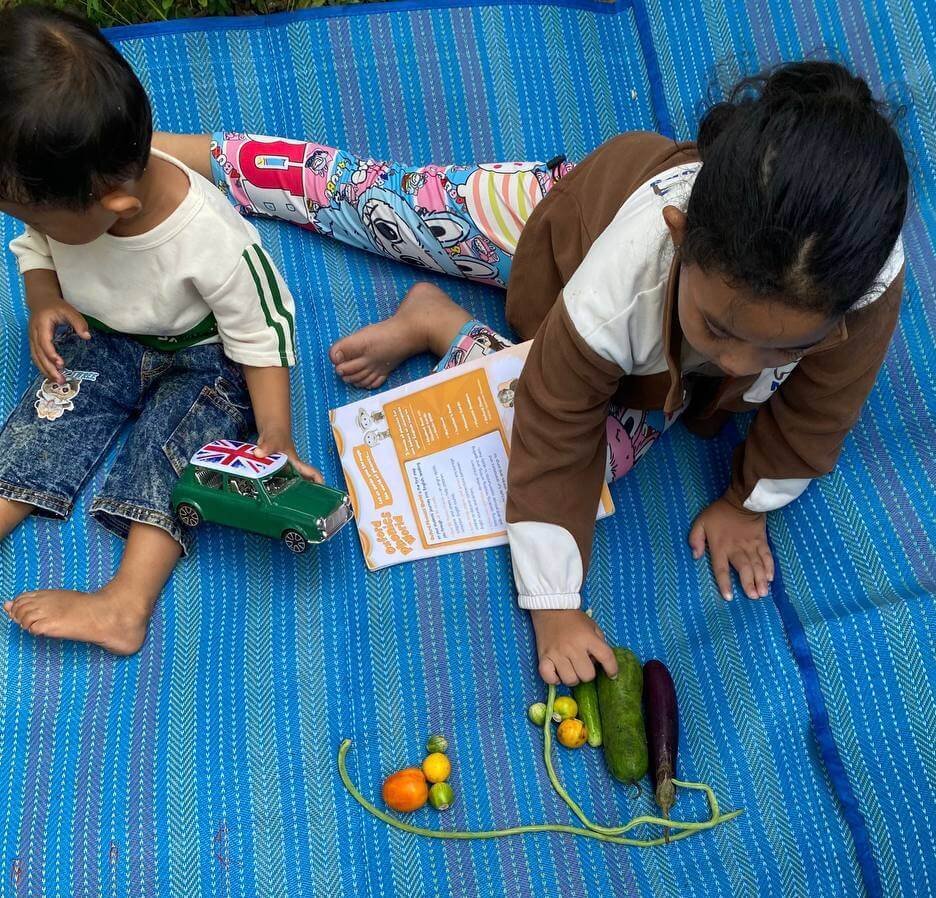
She was immediately pointed, engaged, and curious.
That small moment sparked a long conversation about cooking and trying new foods. Curiosity makes the unknown feel inviting.
8. Connect Through Your Own Struggles
Children love knowing that adults have been scared and struggled too.
When my daughter was learning to ride her bike, she was understandably nervous.
I told her stories about when I was young—how I fell, got back up, fell again, and eventually got the hang of it.
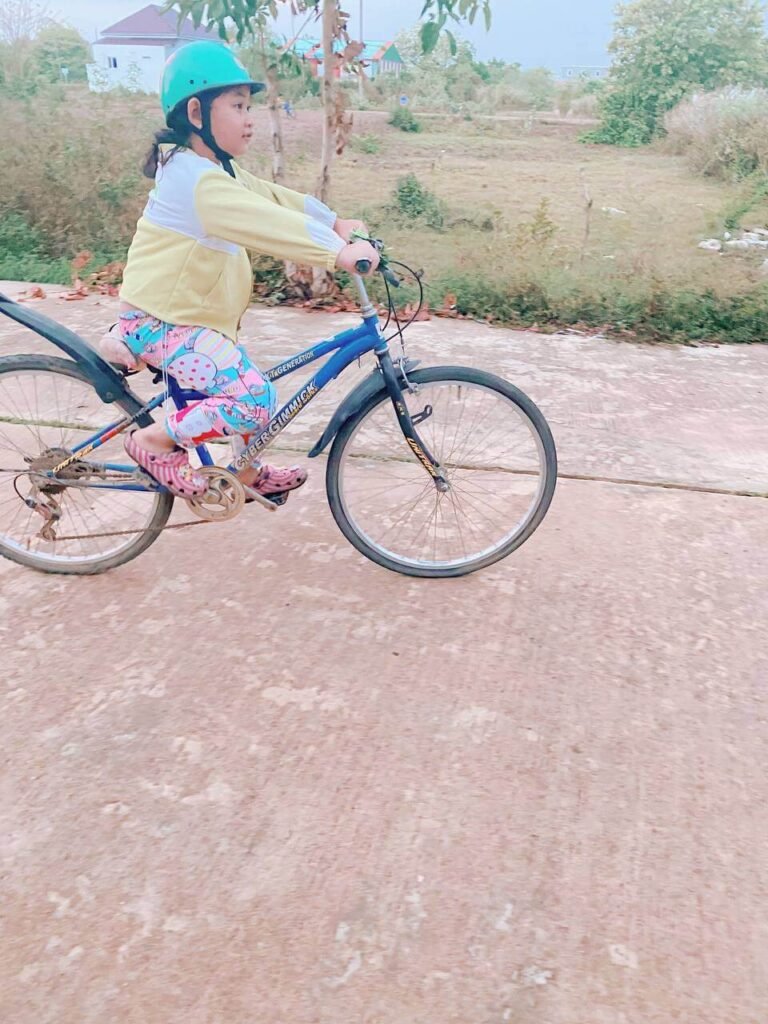
She listened closely and said, “Oh, that’s just like me! But now I can ride my bike too.”
Sharing your own awkward, difficult first attempts gives them the courage to take their own risks.
9. Build a “New Things” Tradition
Setting aside regular time for family exploration is incredibly effective.
We designate a specific time as “New Things Day.”
Recently, we pretended we were explorers navigating through a dangerous cave.
She wore her green “safety helmet,” and we crawled under the table to rescue her orange piggy bank from a “ledge.”
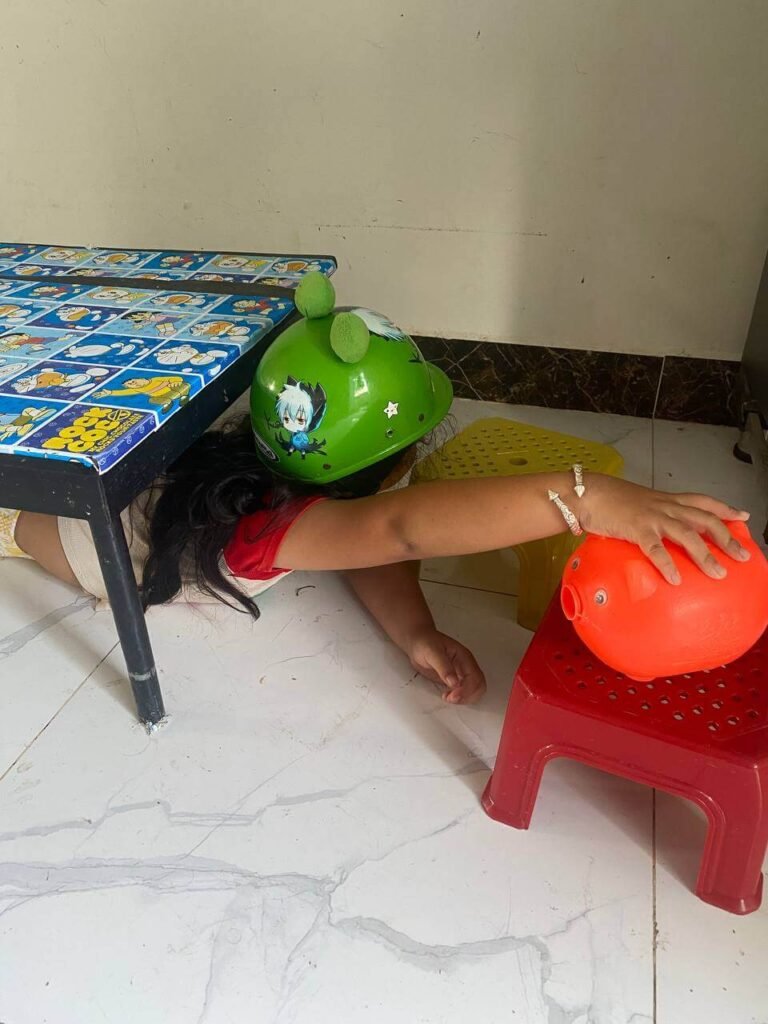
She was completely in character and laughing the whole time.
Make the unfamiliar feel like an adventure your family goes on together, not a task they have to complete alone.
Final Thoughts
Knowing how to encourage your child to try new things is not about having the perfect response every time.
It is about showing up consistently, keeping the environment safe, and shifting your attention from results to effort.
Pick one or two of these strategies that feel natural for your family, look around your house for everyday items to use, and start there.
Building confidence is a slow process, but every messy, imperfect step forward counts.
Frequently Asked Questions (Troubleshooting)
What should I do if my child still gets upset when I try to “shrink the task”?
If a child is still resisting, it usually means the step is still too big, or they feel like they are being tested. Shrink the task again, and make sure you are doing it right alongside them so they don’t feel isolated.
For example, even after I swapped out our heavy dinner plates for my daughter’s light, plastic animal plates, she still hesitated for a moment until I helped her.
How do you handle “New Things Day” if your child refuses to participate?
The secret to our “New Things Day” is that it is an invitation, not a mandate. If they refuse, start playing by yourself and just let them watch until they want to opt in. During our cave explorer game, I didn’t force my daughter to crawl under the table.
I simply put the green toy helmet on myself and started trying to reach the piggy bank. Once she saw how ridiculous and fun it looked, her natural curiosity took over.
Does giving them choices work if they just say “no” to both options?
Yes, but if they say no to your choices, you must pivot immediately to the silliest, lowest-stakes version of one of those options. When I asked my daughter if she wanted to try cycling or basketball, she initially didn’t want to do either.
The trick was immediately lowering the stakes. When she reluctantly chose basketball, I didn’t take her to a court; I brought out the rolled-up socks and the plastic stools.
What happens if I praise their effort, but they are still upset that the result isn’t perfect?
You must validate their frustration first before they will accept your praise for their effort. At eight years old, my daughter is highly aware of when her drawings don’t look exactly the way she pictured them.
When I praise her, and she says, “But it still looks bad!”, I say, “It is really frustrating when our hands can’t quite do what our brain wants them to do yet. I get mad at that, too.”
